
 Save
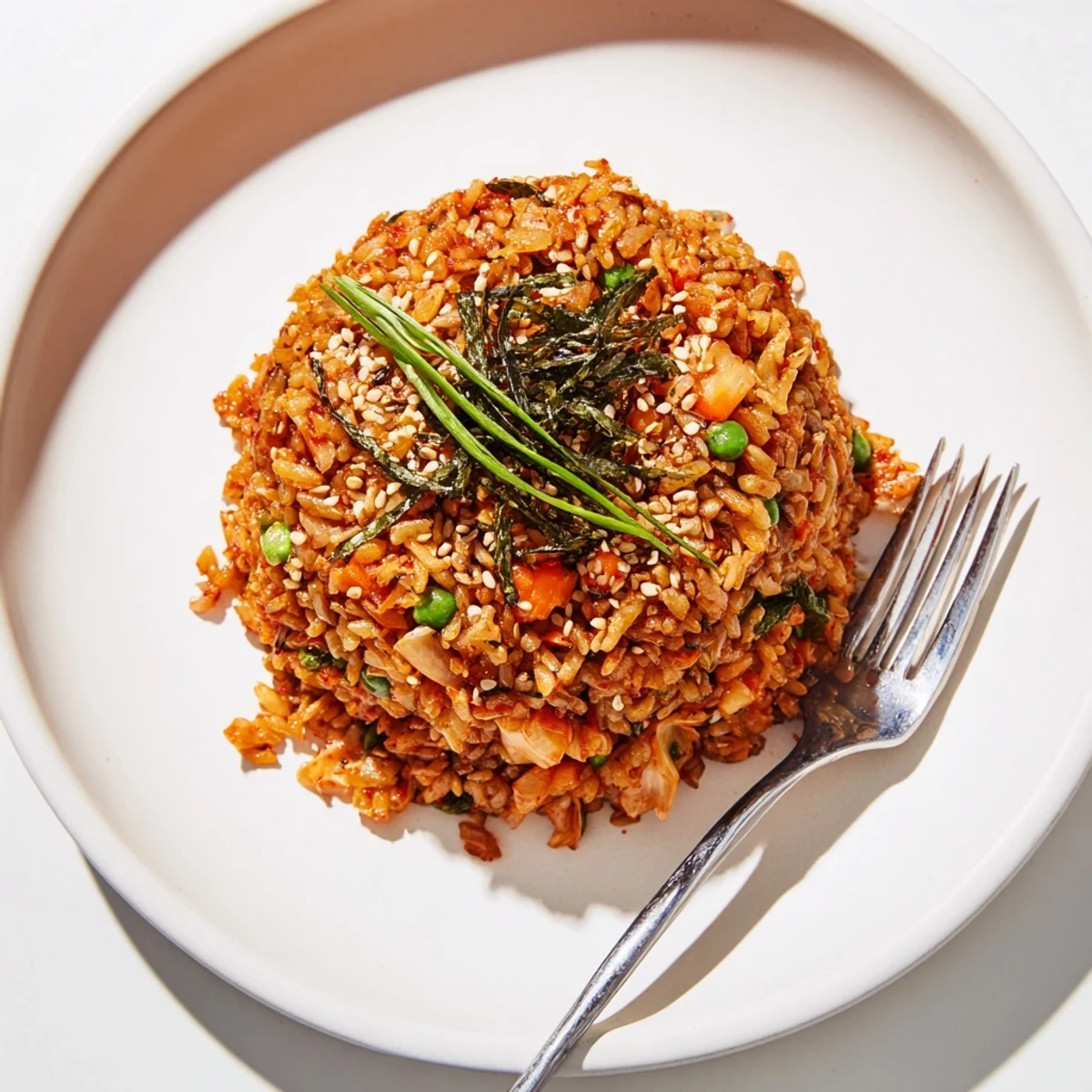
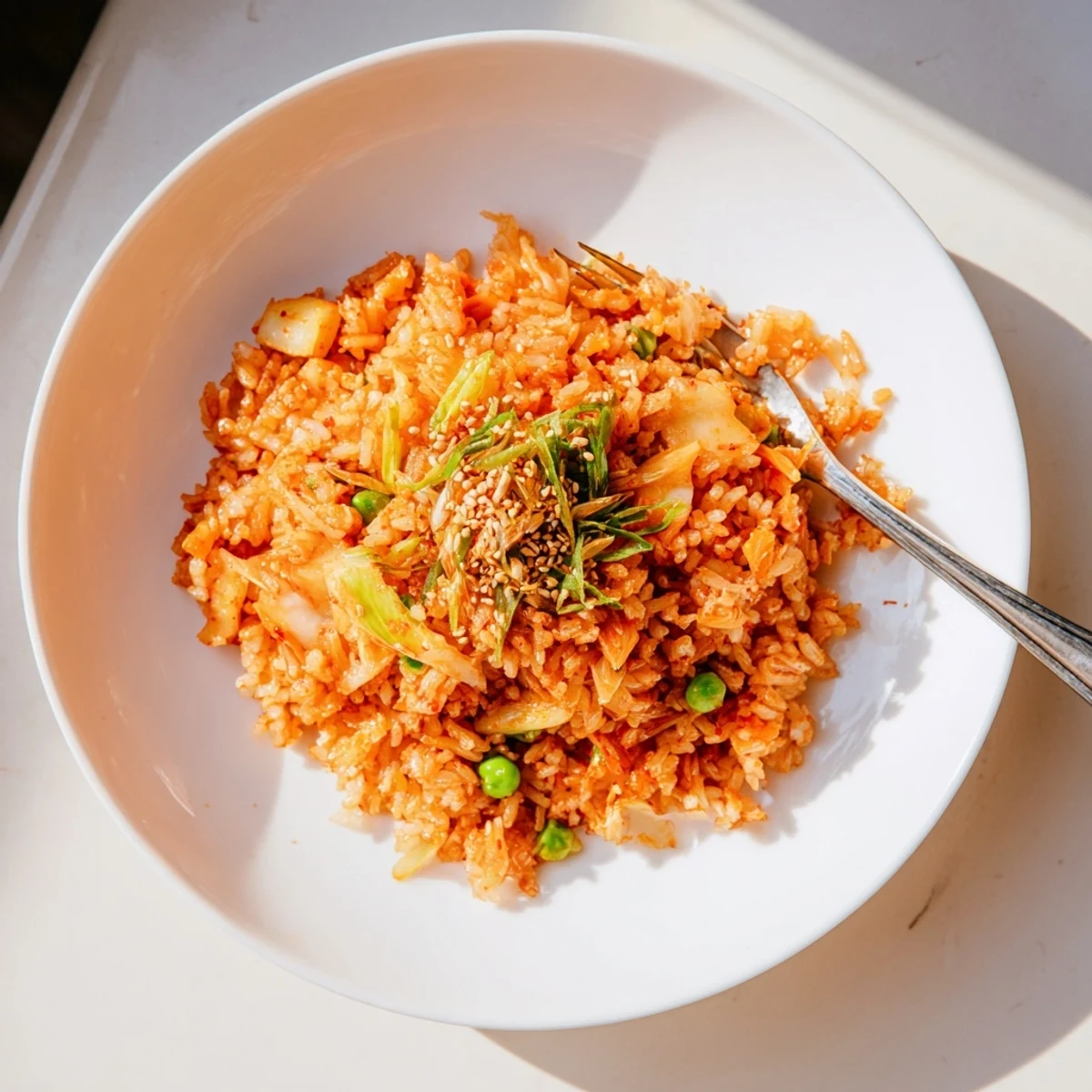
Save This kimchi garlic fried rice brings bold Korean flavors to your table in just 30 minutes. Day-old jasmine rice gets stir-fried with chopped napa cabbage kimchi, minced garlic, and diced carrots, all coated in a savory sauce of kimchi juice, soy sauce, and optional gochujang.
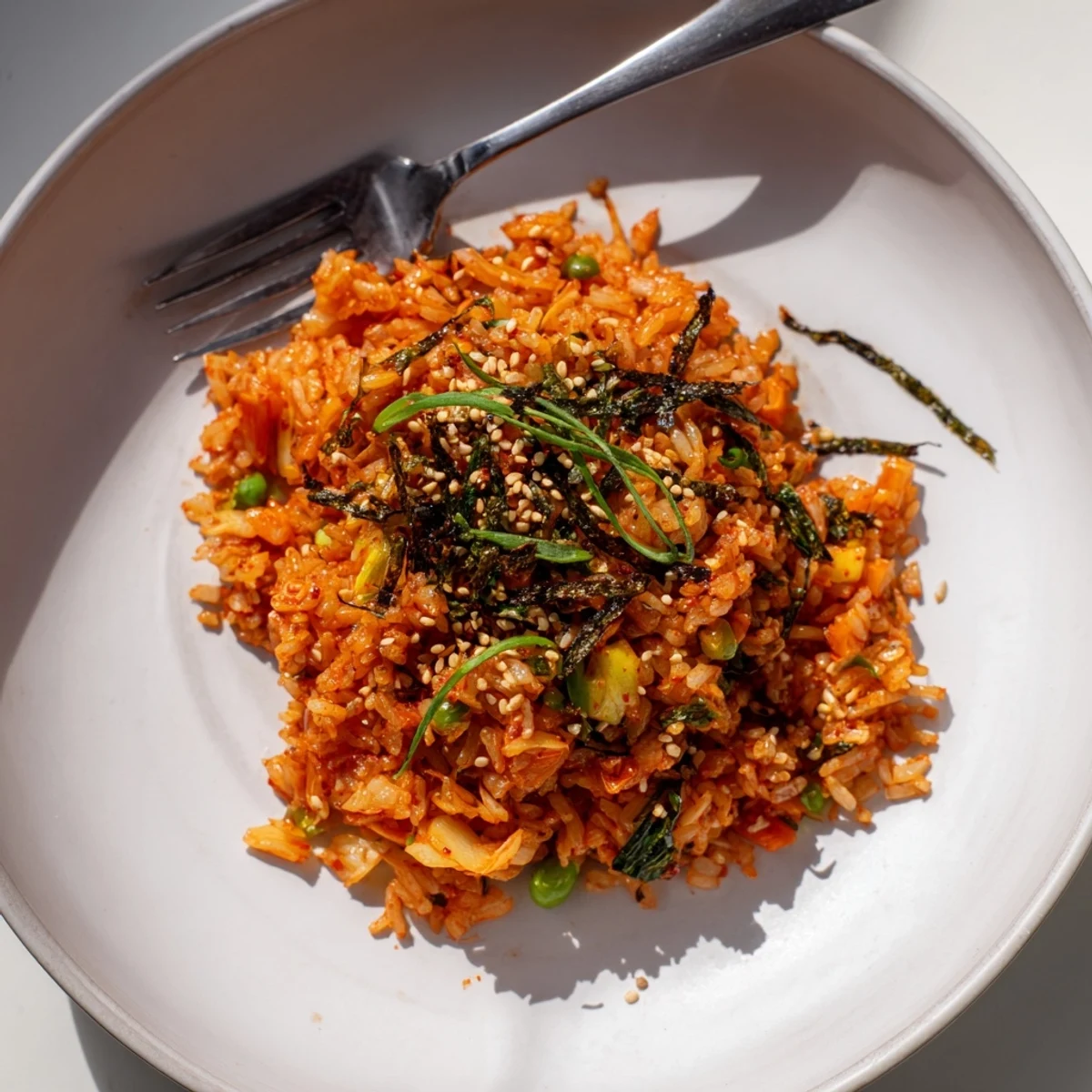
The real magic happens with the crispy fried scallion greens on top—they add an irresistible crunch that contrasts beautifully with the tender, umami-rich rice. A drizzle of toasted sesame oil and a sprinkle of sesame seeds finish it off.
It's an easy, vegetarian-friendly dish perfect for using up leftover rice and jarred kimchi. Customize it with a fried egg on top or your favorite protein for an even heartier meal.
The smell of kimchi hitting a hot wok is one of those scents that pulls everyone into the kitchen before you even call them for dinner. My roommate in college used to keep a jar fermenting on top of the fridge, and the first time I cracked it open for fried rice, she came running thinking I had ordered takeout. Thirty minutes later we were scooping straight from the pan, standing at the counter because plates felt unnecessary. That dish became our Tuesday night ritual for an entire semester.
I once made this for a group of friends during a rainy camping trip, using a single burner and a cast iron pan that was older than any of us. The rain hammered the cabin roof while garlic sizzled, and someone said it smelled better than any campfire meal they had ever had. We ate hunched over paper bowls with plastic sporks, and nobody complained once.
Ingredients
- 3 cups cooked and cooled jasmine or short-grain rice: Day-old rice is non-negotiable for fried rice because fresh rice holds too much moisture and turns gummy instead of getting those crispy edges.
- 1 cup napa cabbage kimchi, chopped: Chop it rough so you get varied textures, some pieces almost melting into the rice and others staying punchy and distinct.
- 1/2 cup kimchi juice: This liquid gold is what separates mediocre fried rice from the kind people beg you to make again, so always buy kimchi in jars with plenty of brine.
- 3 scallions, sliced with whites and greens separated: The whites go into the pan early for a sweet aromatic base while the greens get fried separately until shatteringly crisp.
- 1/2 cup carrots, finely diced: Small uniform pieces cook quickly and distribute little bursts of sweetness through every bite.
- 1/2 cup frozen peas (optional): They add a pop of color and mild sweetness that balances the aggressive funk of fermented cabbage.
- 3 cloves garlic, minced: Fresh garlic only, the jarred stuff lacks the sharp bite that makes this dish sing when it hits hot oil.
- 2 tbsp vegetable oil: A neutral oil with a high smoke point lets the rice fry properly without burning.
- 1 tbsp toasted sesame oil: Added at the end as a finishing oil because its nutty aroma vanishes if you cook it too long.
- 2 tbsp soy sauce: Coat the rice evenly for salt and depth without overwhelming the kimchi flavor.
- 1 tbsp gochujang (optional): A spoonful stirred in gives a sweet, fermented heat that builds slowly in the back of your throat.
- 1 tbsp sesame seeds and extra scallion greens for garnish: Texture and freshness matter as much as the rice itself, never skip the finishing touches.
Instructions
- Wake up the aromatics:
- Heat one tablespoon of vegetable oil in a large wok or skillet over medium-high heat until it shimmers, then toss in the scallion whites and let them sizzle until they soften and release a sweet onion fragrance, about one minute.
- Bloom the garlic:
- Add the minced garlic and stir constantly for about thirty seconds, just until your kitchen fills with that toasty smell and the garlic turns the palest gold at the edges.
- Build the flavor base:
- Stir in the chopped kimchi and diced carrots, cooking for two to three minutes until the kimchi darkens slightly and the carrots lose their raw crunch, releasing a tangy steam that clings to every surface nearby.
- Fry the rice:
- Push everything to the edges of the pan, add the remaining tablespoon of oil to the empty center, and dump in the cooled rice, breaking up clumps with your spatula and spreading it flat so every grain makes contact with the hot surface.
- Sauce and fold:
- Pour the kimchi juice and soy sauce over the rice along with the gochujang if you are using it, then fold everything together from the edges inward until the rice turns a uniform reddish amber color.
- Finish with peas and sesame:
- Scatter in the frozen peas if using, drizzle the toasted sesame oil over everything, and stir-fry for another two to three minutes until the rice is heated through and each grain glistens without being wet.
- Crisp the scallion greens:
- In a small separate pan, heat a thin layer of oil over medium heat and fry the reserved scallion greens for one to two minutes until they bubble, curl, and turn translucent and crunchy, then drain them on paper towels immediately.
- Serve immediately:
- Mound the hot fried rice into bowls, scatter the crispy scallion greens over the top, and finish with a generous sprinkle of sesame seeds before the scallions lose their crunch.
 Save
Save There was a night my neighbor knocked on my door to borrow a corkscrew and ended up staying for a full plate of this rice, leaning against the kitchen counter telling me about her grandmother's kimchi recipe while she ate.
Choosing the Right Kimchi Matters More Than You Think
Not all store-bought kimchi is created equal, and the one you pick will define this entire dish. Look for jars where the cabbage looks deeply reddened and the brine is cloudy, which signals a longer, more active fermentation. Fresh kimchi that still tastes mostly of cabbage and chili will work, but an older, funkier batch with plenty of sour depth will transform your fried rice into something extraordinary.
The Rice You Start With Changes Everything
Short-grain rice gives you a chewier, slightly stickier result that clumps in a satisfying way, while jasmine rice stays lighter and separates more easily into individual grains. Both work beautifully here, so choose based on what you have or what texture you crave. I have even used leftover brown rice on nights I wanted something heartier, and the nutty flavor paired surprisingly well with the aggressive kimchi tang.
Making It a Complete Meal
This fried rice is hearty on its own but takes well to a few additions if you want to stretch it further or add protein. A fried egg with a runny yolk on top turns each bowl into something luxurious, the golden yolk mixing into the spicy rice like a rich sauce. For a fully plant-based version, crispy pan-fried tofu cubes tucked in at the end add chew and substance without overpowering the kimchi.
- Check your kimchi label for fish sauce or shrimp if you are cooking for vegetarians or vegans.
- A cold glass of Korean barley tea or a crisp lager alongside cools the palate between bites.
- This reheats beautifully the next day in a hot skillet, so never hesitate to make the full batch even for two.
 Save
Save Some meals are just food, but this fried rice has a way of turning a random weeknight into something worth remembering, one tangy, crispy bite at a time.
Recipe FAQs
- → What type of rice works best for fried rice?
-
Day-old cooked and cooled jasmine rice or short-grain rice is ideal. Freshly cooked rice holds too much moisture and can make the dish mushy rather than achieving that desired slightly chewy, separated texture.
- → Can I make this dish vegan?
-
Yes, simply ensure your kimchi is fish sauce-free by checking the label. Many store-bought kimchi varieties contain seafood-based ingredients, so look for specifically labeled vegan kimchi.
- → How do I get crispy scallions without burning them?
-
Fry the scallion greens in a thin layer of oil over medium heat for just 1–2 minutes. Keep them moving and watch closely—they go from perfectly crispy to burnt very quickly. Drain immediately on paper towels.
- → What can I substitute for gochujang?
-
If you don't have gochujang, you can use sriracha or a mix of miso paste and chili flakes for a similar savory heat. The dish is still delicious without it—the kimchi alone provides plenty of flavor and spice.
- → How should I store and reheat leftovers?
-
Store leftovers in an airtight container in the refrigerator for up to 3 days. Reheat in a skillet over medium heat with a splash of water or oil to revive the texture. The crispy scallions are best made fresh.
- → Is this dish very spicy?
-
The heat level depends on your kimchi and whether you add gochujang. With standard kimchi alone, it's moderately spicy. Adding gochujang increases the heat significantly. You can use mild kimchi and skip the gochujang for a gentler version.