
 Save
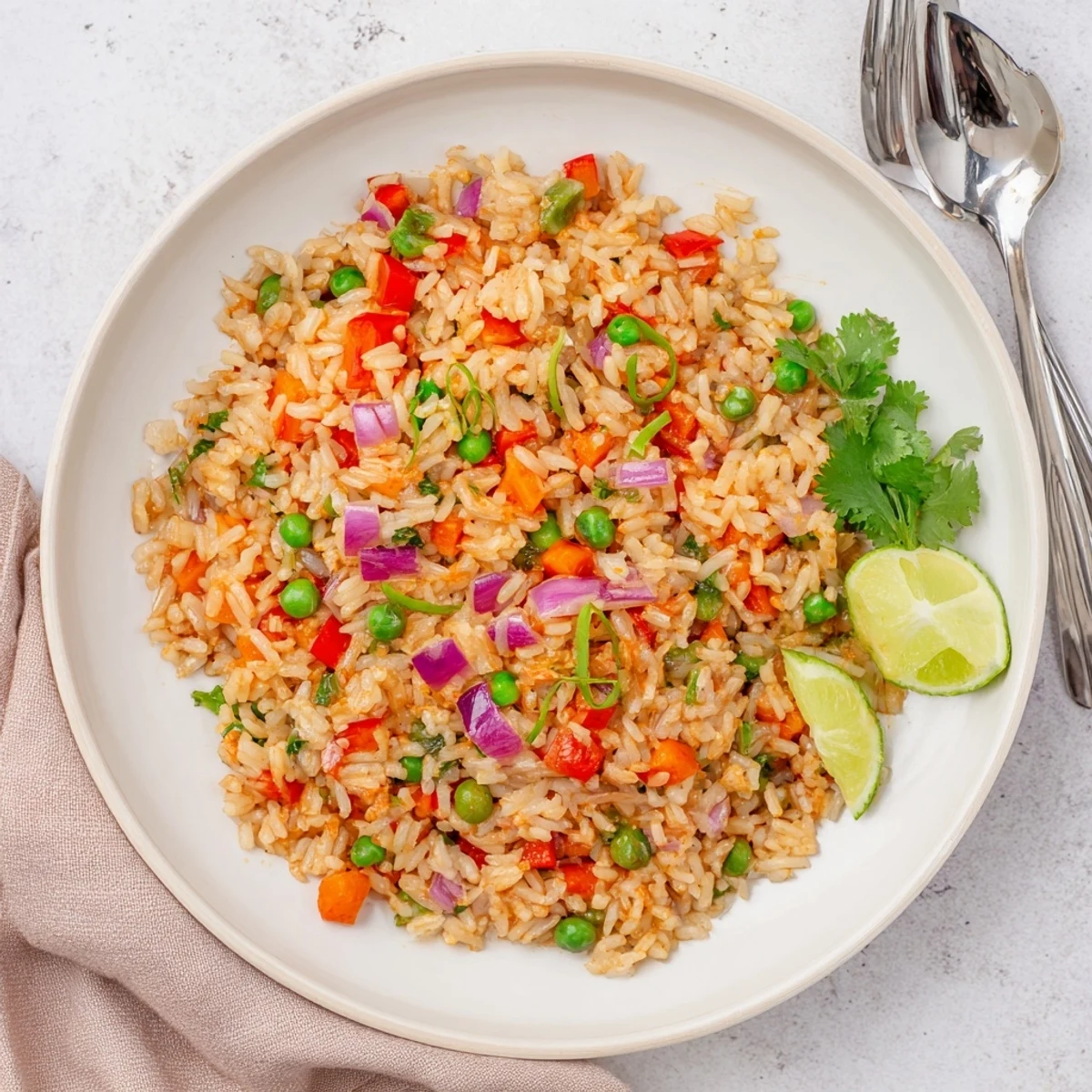
Save This vibrant dish transforms day-old jasmine rice into a zesty, satisfying meal. The combination of crisp vegetables, tangy lime juice and zest, and spicy chili creates layers of flavor that make every bite exciting.
Perfect for busy weeknights, this comes together in just 30 minutes. The fresh cilantro and extra lime wedges add brightness, while the customizable heat level makes it work for everyone. Use as a main or pair with your favorite protein.
My wok was still warped from the last time I tried to make fried rice on too-high heat, and honestly that should have stopped me from trying again on a rainy Tuesday with nothing but leftover jasmine rice and half a lime in the fridge. But desperation is the mother of some of my best kitchen decisions. I threw in whatever vegetables were hanging around the crisper drawer, squeezed that sad lime over everything, and added an amount of chili paste that was absolutely a gamble. The smell that hit me was so bright and furious that I stood over the stove eating straight from the pan before my husband even got home.
My neighbor Sandra knocked on my door last month while I was cooking this, claiming she could smell the cilantro from her kitchen window. She stayed for two bowls and now texts me every Sunday asking if I am making the green rice again, which is what she calls it because she cannot remember any other detail about it.
Ingredients
- Jasmine rice (3 cups cooked, preferably day-old): Fresh rice turns gummy and sad, so cook it the night before and let it dry out uncovered in the fridge.
- Red bell pepper (1 cup diced): The sweetness balances the chili heat, so do not skip this even if you are tempted to.
- Carrots (1 cup diced): Cut them small so they soften quickly alongside the onion without holding everything up.
- Peas (1 cup fresh or frozen): Frozen works beautifully here and adds little bursts of sweetness that surprise you in every bite.
- Red onion (half cup diced): Red onion gives a sharper bite than yellow, which is exactly what this dish needs.
- Garlic (2 cloves minced): Fresh garlic only, because the jarred stuff gets lost in all these bold flavors.
- Green onions (2 sliced): Save these for the very end so they stay bright and barely cooked.
- Soy sauce (2 tablespoons, tamari for gluten-free): This is your salt and your umami backbone, so choose one you actually like the taste of.
- Lime juice (1 tablespoon plus wedges): Bottled lime juice tastes flat here, so squeeze a real lime and save the zest separately.
- Lime zest (1 teaspoon): The zest carries aromatic oils that juice alone cannot provide, so do not skip this step.
- Chili paste or sriracha (1 to 2 teaspoons): Start with one teaspoon and taste before adding more, because you can always add heat but you cannot take it away.
- Vegetable oil (1 tablespoon): Use a neutral oil with a high smoke point so nothing burns when the wok gets aggressively hot.
- Salt and black pepper (half teaspoon and quarter teaspoon): Adjust the salt at the very end because the soy sauce is already doing heavy lifting.
- Fresh cilantro (half cup chopped): If you are one of those people who thinks cilantro tastes like soap, try flat leaf parsley instead and know that I forgive you.
Instructions
- Get the wok screaming hot:
- Pour the vegetable oil into your largest skillet or wok over medium-high heat and let it shimmer until you see the faintest ripple across the surface, which tells you the pan is ready to work.
- Build the vegetable base:
- Toss in the diced red onion and carrots, stirring them around for two to three minutes until the carrots just barely yield when you press one with your spatula.
- Add the aromatics:
- Slide in the garlic and red bell pepper, keeping everything moving so the garlic does not brown and turn bitter on you, which happens faster than you think.
- Quick cook the peas:
- Add the peas and give them about a minute, just long enough to thaw and warm through without losing their bright color and slight snap.
- Make room for the rice:
- Push all the vegetables to one side of the pan like you are creating a little nest, then dump the cold rice into the empty space and break up every clump with the back of your spatula.
- Season everything at once:
- Drizzle the soy sauce, lime juice, lime zest, chili paste, salt, and pepper directly over the rice, then stir the whole pan together so every grain gets stained golden and glossy.
- Fry until slightly crisp:
- Let it cook for three to four minutes, stirring frequently but also letting it sit untouched for ten-second stretches so some of the rice gets those crave-worthy crispy edges.
- Finish with the fresh stuff:
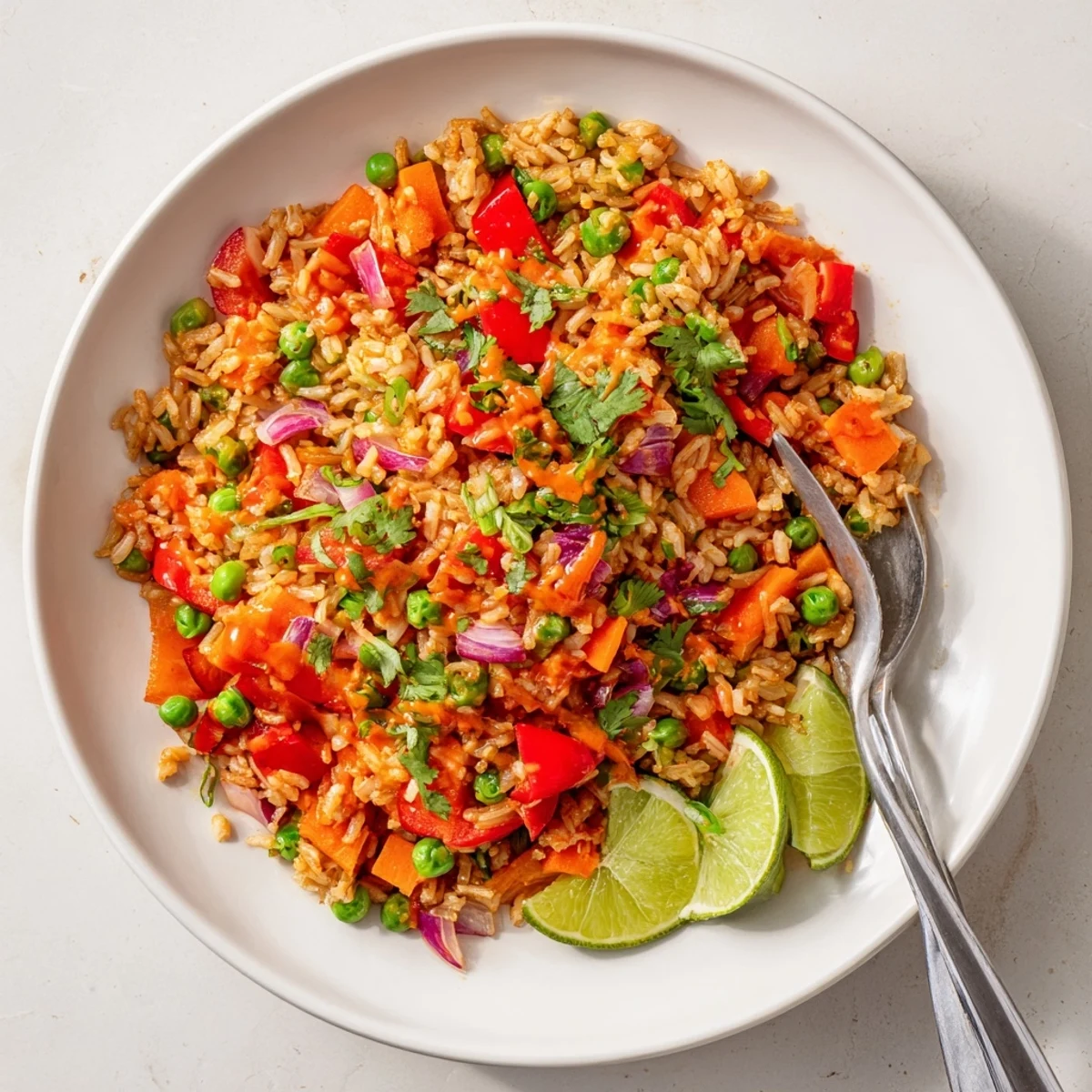
- Kill the heat and immediately fold in the sliced green onions and chopped cilantro, letting the residual warmth release their fragrance without cooking the life out of them.
 Save
Save The second time I made this was for a potluck where three people asked me for the recipe, and one of them was a chef at a local Thai restaurant who said my lime to chili ratio was exactly right, which remains one of the proudest moments of my entire cooking life.
What I Learned From Burning the First Batch
Cranking the heat to high and walking away to check my phone is how I learned that fried rice goes from golden to charcoal in about forty-five seconds flat. Now I keep my phone in another room and stay right at the stove, spatula in hand, for every single minute. The medium-high sweet spot gives you enough heat for texture without demanding constant rescue work.
Making It a Full Meal
This rice is wonderful on its own but it genuinely transforms when you top it with a fried egg whose yolk runs down through every grain. I have also tossed in cubes of extra firm tofu pressed dry and pan fried until golden, which turns the whole thing into something hearty enough that nobody asks what else is for dinner. A handful of crushed peanuts on top adds crunch and makes it feel like you ordered takeout from somewhere much fancier than your own kitchen.
Storage and Reheating Without Sadness
Leftovers keep beautifully in an airtight container for up to three days and actually taste better the next day when the flavors have had time to mingle and settle into the rice. Reheat in a skillet with a tiny splash of water or oil rather than using the microwave, which tends to make the vegetables rubbery and the rice unevenly hot.
- Always cool the rice completely before refrigerating to prevent it from turning mushy overnight.
- Add a fresh squeeze of lime and a small handful of new cilantro when reheating to wake everything back up.
- Never freeze this dish because the peas and bell pepper will weep water and ruin the texture when thawed.
 Save
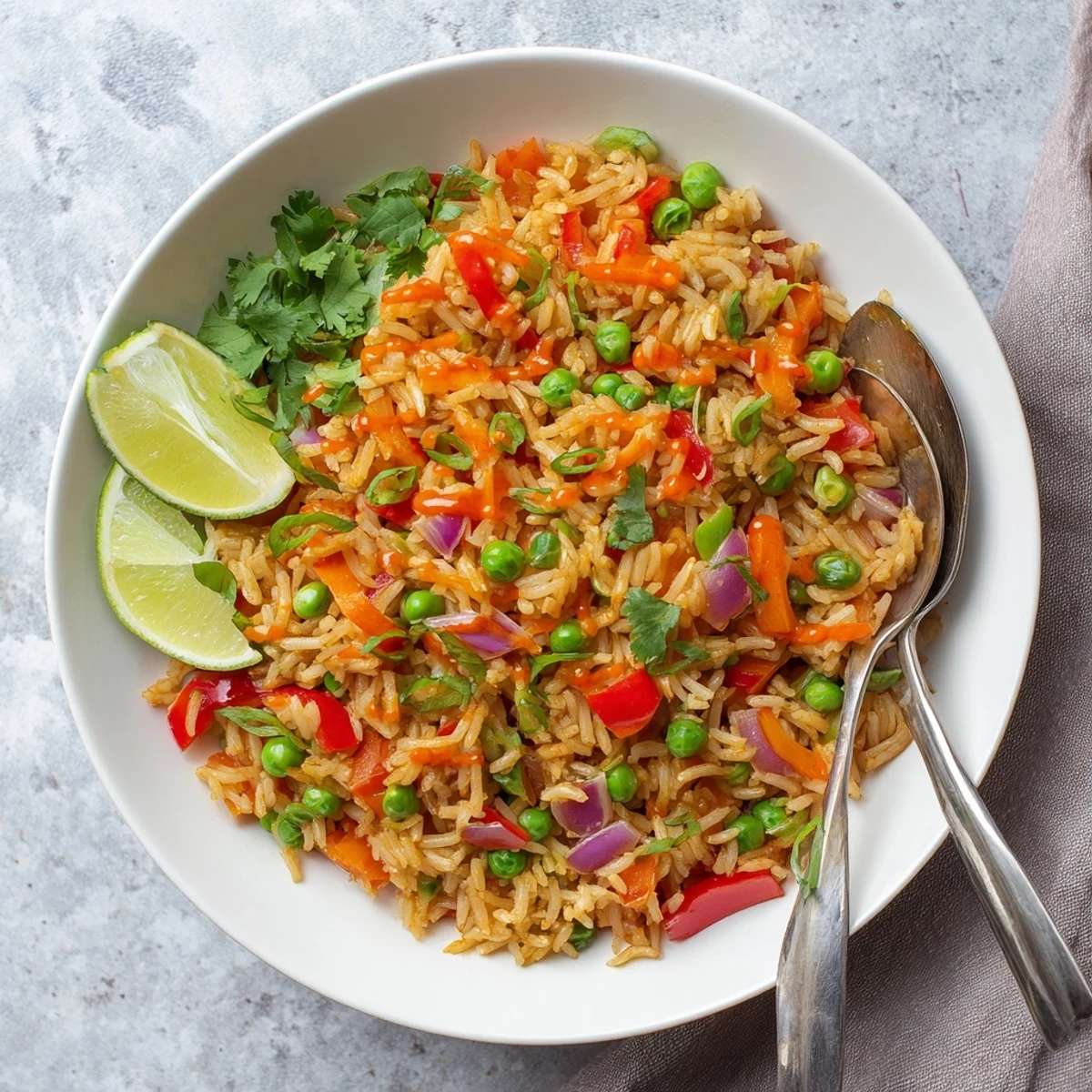
Save Keep a bowl of extra lime wedges on the table and let everyone squeeze their own, because that final hit of acid right before eating is what makes people go back for seconds. This is the kind of recipe that reminds you simple food cooked with attention can be absolutely electric.
Recipe FAQs
- → Why use day-old rice?
-
Day-old rice has dried out slightly, which prevents it from becoming mushy during stir-frying. Freshly cooked rice contains too much moisture and won't achieve that perfect slightly crispy texture.
- → Can I make this gluten-free?
-
Absolutely. Simply substitute regular soy sauce with tamari or coconut aminos. Both provide similar umami flavor without the gluten, keeping all the vibrant taste intact.
- → How do I adjust the spice level?
-
Start with one teaspoon of chili paste and taste before adding more. You can also serve additional chili paste on the side, letting everyone customize their own heat preference at the table.
- → What other vegetables work well?
-
Baby corn, snap peas, broccoli florets, shredded cabbage, or bean sprouts all complement these flavors beautifully. Use whatever fresh vegetables you have on hand for a colorful variation.
- → Can I add protein?
-
Yes. Scramble eggs directly in the wok before adding rice, or toss in cubed tofu, cooked chicken, or shrimp during the final minutes of cooking. Just ensure any added protein is pre-cooked.