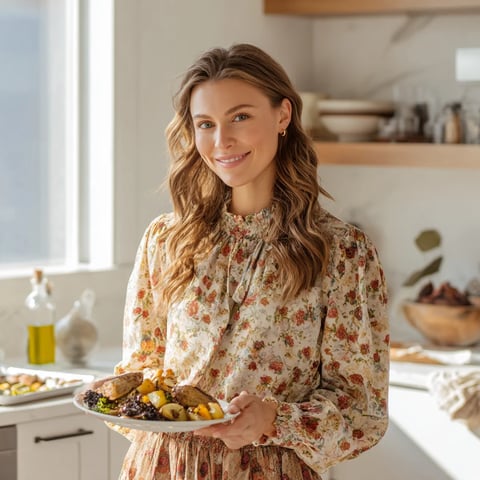
 Save
Save This dish features cubed butternut squash roasted to tender perfection with a sweet and tangy glaze made from maple syrup, orange and lemon juices, olive oil, and warm spices. The roasting process brings out caramelized edges and concentrates flavors, while fresh citrus zest and parsley garnish add brightness. Perfect for autumn and winter meals, it pairs well with poultry or stands as a satisfying vegetarian option. Variations include acorn or delicata squash and optional toasted nuts for crunch.
There's something about November evenings that makes me crave this dish—I was standing at the farmers market last year, holding a butternut squash still warm from the morning sun, when I spotted those bright citrus fruits stacked nearby. The smell of cinnamon from the spice vendor's booth drifted over, and suddenly the whole meal clicked into place in my head. I went home and roasted that squash with maple syrup and lemon juice, and my kitchen smelled like fall had decided to stay a little longer.
I made this for my sister's Thanksgiving potluck a few years back, arriving with the baking sheet still warm and the whole car smelling incredible. She piled it onto her plate and took one bite, then looked at me and said, 'Why don't you make this every year?' The funny part is, it's so simple that I almost didn't bring it because I thought it wouldn't be impressive enough—but simplicity is its own kind of magic when the flavors are this good.
Ingredients
- Butternut squash (1 medium, about 2 lbs): Cut into 1-inch cubes so they roast evenly and get that golden caramelization on the outside while staying creamy inside.
- Pure maple syrup (3 tbsp): The real stuff makes all the difference here—it caramelizes into something almost sticky and wonderful on the edges of the squash.
- Fresh orange juice (2 tbsp): This is what keeps the dish from feeling one-note; it adds brightness and a subtle tartness that balances the sweetness beautifully.
- Fresh lemon juice (1 tbsp): Just enough to make your mouth notice it without making the dish sour, adding complexity that feels intentional.
- Olive oil (1 tbsp): Helps everything roast evenly and contributes to those crispy edges we're after.
- Orange zest (1 tsp, plus more for garnish): This is where the real citrus flavor lives; don't skip it even though it seems small.
- Ground cinnamon and nutmeg (½ tsp and ¼ tsp): These spices whisper in the background, connecting the dish to every cozy autumn memory you have.
- Salt and black pepper (½ tsp and ¼ tsp): Season to taste and adjust based on your maple syrup—some brands are saltier than others.
- Fresh parsley and extra orange zest (for garnish): The parsley adds a fresh green note that prevents the dish from looking too monochromatic on the plate.
Instructions
- Get your oven ready:
- Preheat to 400°F and line your baking sheet with parchment paper if you have it—this keeps things from sticking and makes cleanup so much easier.
- Build the glaze:
- Whisk together the maple syrup, citrus juices, olive oil, orange zest, cinnamon, nutmeg, salt, and pepper in a large bowl until it looks glossy and smells like autumn itself.
- Coat the squash:
- Add your cubed squash to the bowl and toss it around until every piece is wearing that glaze like a beautiful coat.
- Arrange and roast:
- Spread the squash in a single layer on your baking sheet so the pieces can actually touch the hot surface and caramelize, not just steam. This is important.
- Roast with a turn:
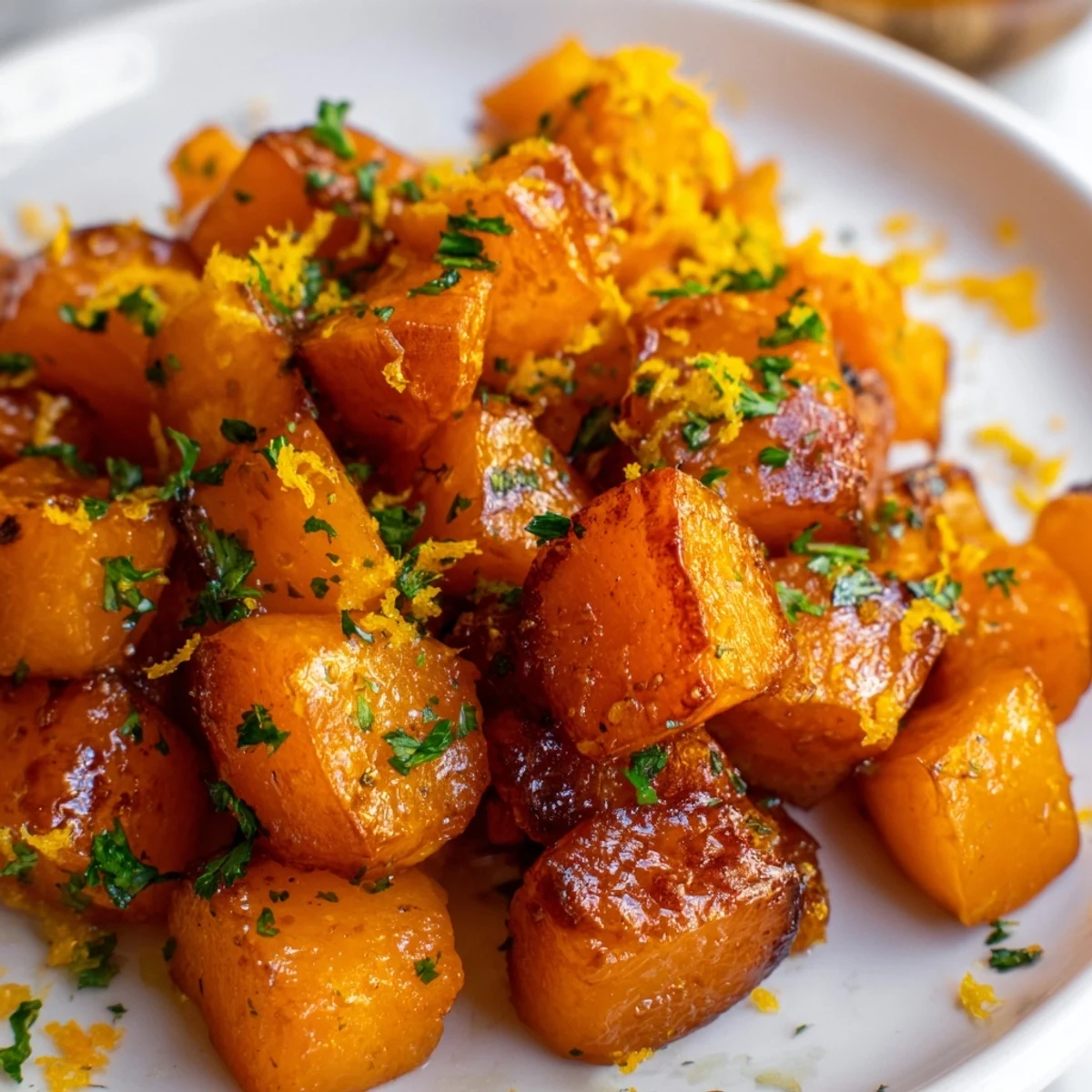
- Put it in the oven for about 15 minutes, then give the pan a shake or turn the pieces over so they get golden and caramelized on multiple sides. Continue roasting for another 15–20 minutes until the squash is fork-tender and the edges are a deep amber color.
- Finish and serve:
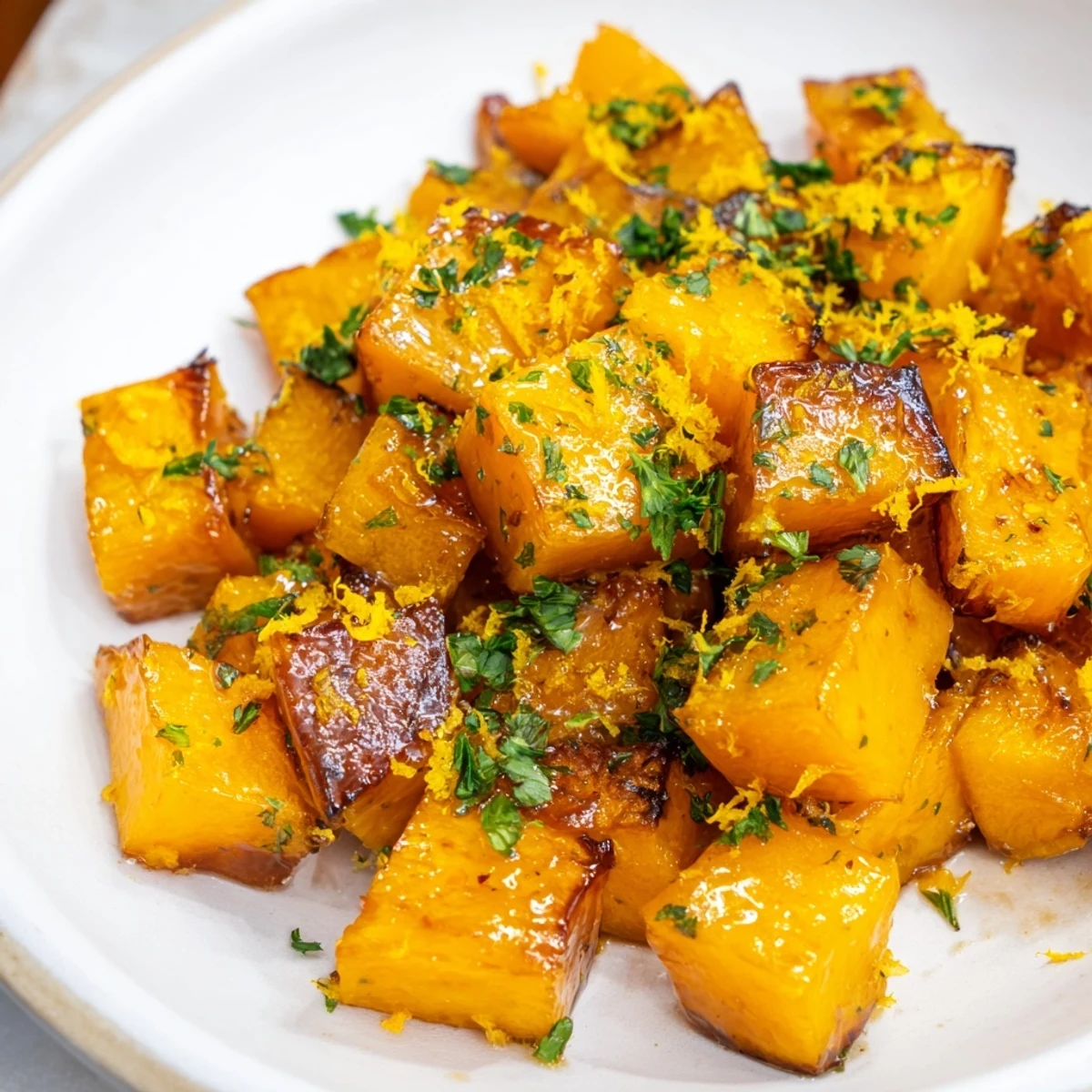
- Transfer to a platter, sprinkle with fresh parsley and that extra orange zest, and serve it warm so the flavors are still singing.
 Save
Save I remember my dad trying this for the first time and pausing mid-bite, then asking if I'd learned this from a restaurant because he couldn't believe I'd made it. That moment of him recognizing something as good in his own home, made by his kid—that's when I realized this recipe was about more than just vegetables and seasoning.
Why This Works as a Side Dish
The beauty of this squash is that it doesn't try to be the main character on the plate; it's comfortable being part of the ensemble. It pairs so naturally with roasted turkey or chicken because the citrus and maple are bold enough to hold their own without overwhelming the main dish. I've also served it alongside roasted Brussels sprouts and whole grains at vegetarian gatherings, and it makes everything around it taste better somehow.
Playing with Variations
Once you understand how this glaze works, you can start experimenting—I've made it with acorn squash when butternut wasn't available, and honestly, I didn't miss the butternut at all. The acorn pieces are smaller and cook faster, so watch them a bit closer. I've also tried adding a splash of balsamic vinegar to deepen the flavor, topping it with toasted pecans for crunch, or stirring in pomegranate seeds at the end for color and a little tartness.
Making It Memorable
This is the kind of dish that works for casual Tuesday dinners and fancy holiday tables, which is why I keep coming back to it. The ingredients are humble, but the result feels intentional and special. When you serve this warm, with those caramelized edges catching the light and the parsley adding that touch of green, people notice that you cared about what you were putting on the table.
- If you're making this ahead, roast it completely and reheat gently in a 350°F oven until warmed through—don't microwave it or the texture will suffer.
- The glaze will continue to thicken slightly as the squash cools, so if it seems a bit thin while hot, that's actually perfect.
- Store leftovers in an airtight container for up to four days, though honestly, this rarely lasts that long in my house.
 Save
Save This squash has become one of those dishes I make without really thinking about it anymore, the way you might hum a favorite song. That's the mark of something truly worth making.
Recipe FAQs
- → What type of squash works best for this dish?
-
Butternut squash is ideal for its sweetness and texture, but acorn or delicata also work well and offer slight variations in flavor.
- → How do I achieve tender, caramelized squash cubes?
-
Roast the squash in a single layer at 400°F (200°C) for 30–35 minutes, turning once halfway through for even caramelization.
- → Can I add crunch to this dish?
-
Yes, tossing the roasted squash with toasted pecans or pumpkin seeds before serving adds a pleasant crunchy texture.
- → Is it necessary to peel the butternut squash?
-
Peeling ensures the glaze coats the cubes evenly and the texture remains tender, so it's recommended.
- → What spice flavors complement the maple-citrus glaze?
-
Ground cinnamon and nutmeg provide warm, aromatic notes that enhance the natural sweetness and brightness of the squash glaze.