
 Save
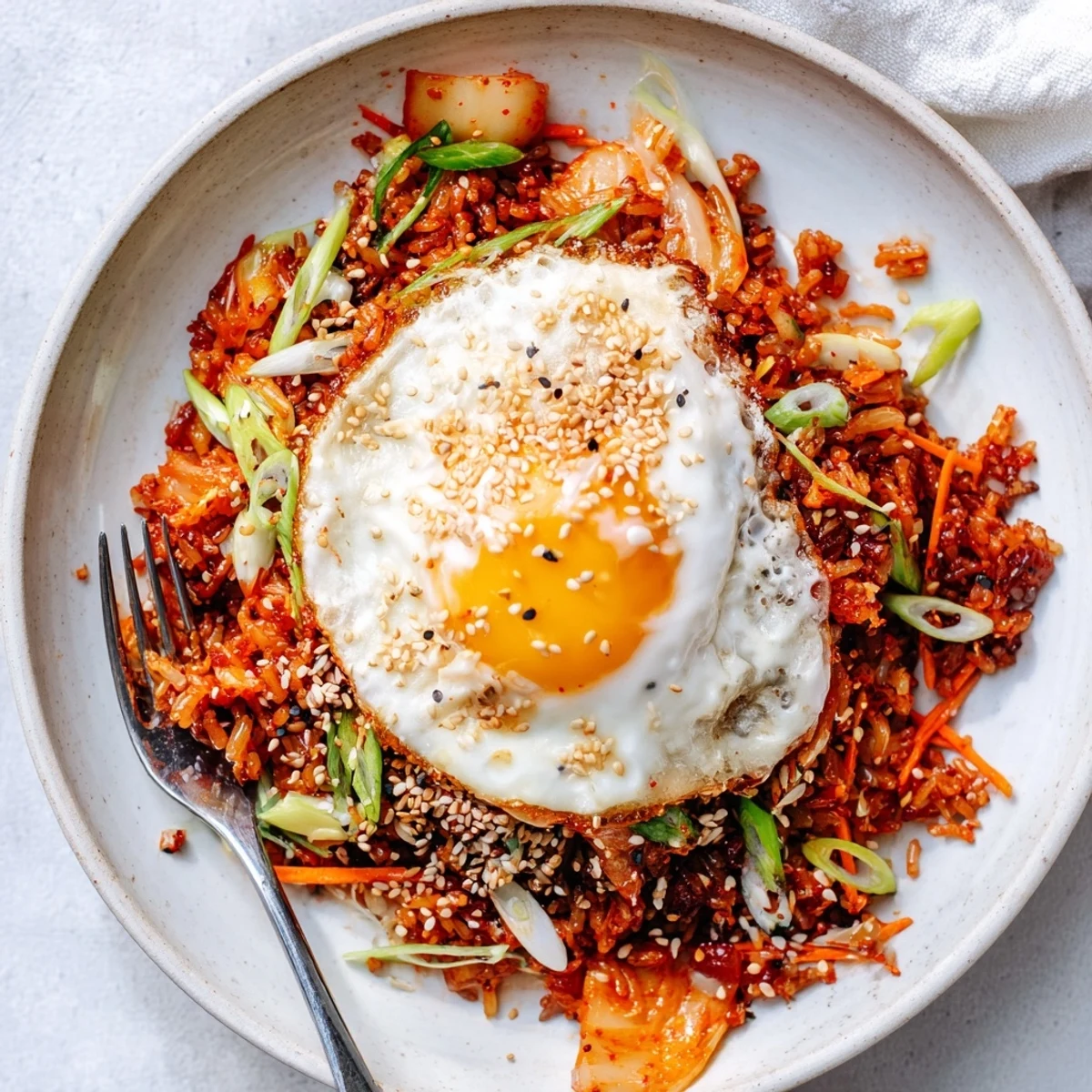
Save Kimchi, minced garlic and sliced scallions are stir-fried until the kimchi caramelizes, then cold day‑old jasmine rice is added and tossed with a gochujang–soy–sesame sauce. Cook until rice is heated through and slightly crisp, finish with scallion greens and toasted sesame seeds. Swap in vegan kimchi or add tofu, mushrooms, or a fried egg to vary texture and protein.
The smell of garlic hitting a hot wok at 11pm on a Tuesday is my love language, and this kimchi fried rice is the reason why. It started during a phase when my fridge was perpetually stocked with aging kimchi and leftover takeout rice, and desperation turned into revelation. Something about the way tangy fermented cabbage caramelizes against day old grains of jasmine rice feels like pure kitchen sorcery. This dish has ruined me for plain rice forever.
My roommate walked in once while I was tossing rice in the wok and stood silently in the kitchen doorway just inhaling. I handed her a bowl without a word and we ate standing at the counter, which is honestly the highest compliment this dish can receive.
Ingredients
- Napa cabbage kimchi (1 1/2 cups chopped, plus 2 tbsp kimchi juice): The older and funkier your kimchi, the better this will taste, so do not be shy about using that jar languishing in the back.
- Scallions (4, sliced with white and green parts separated): The whites get cooked down for a sweet depth while the greens stay raw for a bright finish.
- Garlic (4 cloves, finely minced): Four cloves may seem bold but kimchi can handle it and honestly so can you.
- Small carrot, julienned (optional): Adds a pop of color and a slight sweetness that balances the heat beautifully.
- Day old jasmine rice (4 cups cooked): Cold leftover rice is non negotiable here because fresh rice turns gummy and sad in the pan.
- Gochujang (1 1/2 tbsp): This Korean chili paste brings a savory depth and gentle heat that ties everything together.
- Soy sauce (1 tbsp): Just enough for saltiness without overwhelming the kimchi flavor.
- Toasted sesame oil (1 tbsp): Stirred into the sauce rather than used for cooking, it adds a nutty perfume at the end.
- Neutral oil (1 tbsp): Canola or vegetable oil lets the other flavors shine without competing.
- Gochugaru (1 to 2 tsp): Korean chili flakes let you dial the heat to your comfort level.
- Sugar (1/2 tsp): A tiny amount rounds out the acidity from the kimchi juice.
- Salt and black pepper: Only needed at the end to fine tune the seasoning.
- Toasted sesame seeds (2 tsp): A sprinkle at the end for texture and visual appeal.
- Fried eggs (optional): A runny yolk melting into spicy rice is never a wrong decision.
Instructions
- Build the sauce:
- Whisk together the gochujang, soy sauce, sesame oil, kimchi juice, sugar, and gochugaru in a small bowl until smooth. Give it a taste and adjust the chili flakes if you want more fire.
- Wake up the aromatics:
- Heat neutral oil in a large wok or skillet over medium high heat until it shimmers, then toss in the garlic and white scallion parts. Stir constantly for about 30 seconds until your kitchen smells incredible and nothing burns.
- Caramelize the kimchi:
- Add the chopped kimchi and julienned carrot to the pan and sauté for 2 to 3 minutes. You want the kimchi edges to darken slightly and the carrot to just begin softening.
- Add the rice:
- Tumble in the cold rice and use your spatula to break apart any stubborn clumps. Toss everything together so the grains get coated in the kimchi oil.
- Pour and fry:
- Drizzle the sauce over the rice and stir fry for 4 to 5 minutes, tossing almost constantly. Let the rice sit undisturbed for a few seconds at a time so it crisps in patches against the pan.
- Season and taste:
- Kill the heat and give it a quick taste, adding salt and pepper only if it needs a final nudge.
- Finish with freshness:
- Fold in half the scallion greens and scatter toasted sesame seeds across the top. Serve immediately with the remaining scallions and a fried egg if you are feeling indulgent.
 Save
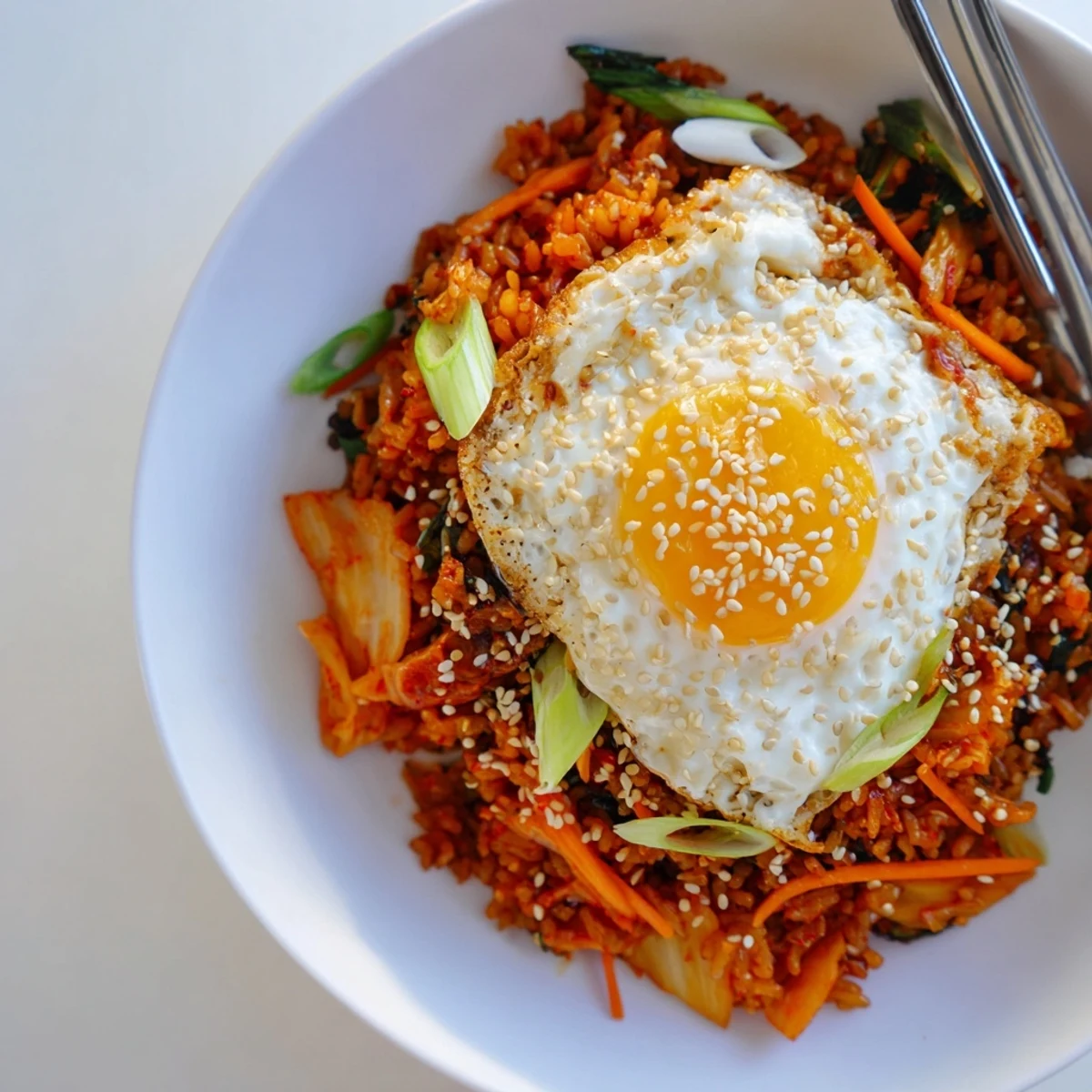
Save I once packed leftovers of this into a thermos for a hiking trip and ate it cold on a mountaintop, and somehow it was even better than when it was fresh from the pan.
Wok Versus Skillet
A well seasoned wok gives you those coveted crispy rice bits that clump and toast against the curved walls, but a large flat skillet works surprisingly well if you let the rice sit undisturbed for a beat before flipping. The key is avoiding crowding, so use the biggest pan you own and resist the urge to stir constantly.
Protein Swaps and Additions
Diced firm tofu pressed dry and pan fried until golden is my default protein here, though leftover rotisserie chicken or sautéed mushrooms slide in seamlessly too. Whatever you add, cook it separately first so it browns properly rather than steaming in the moisture of the rice.
Storing and Reheating
This rice holds beautifully in an airtight container in the fridge for up to three days, and reheats in a hot pan with a splash of water better than almost anything else I make. The flavors actually deepen overnight as the kimchi continues to work its magic.
- Reheat in a skillet rather than a microwave to bring back the crispy edges.
- A drizzle of extra sesame oil at the end of reheating wakes up the flavor instantly.
- Freezing is possible but the texture shifts slightly, so fridge storage is your best bet.
 Save
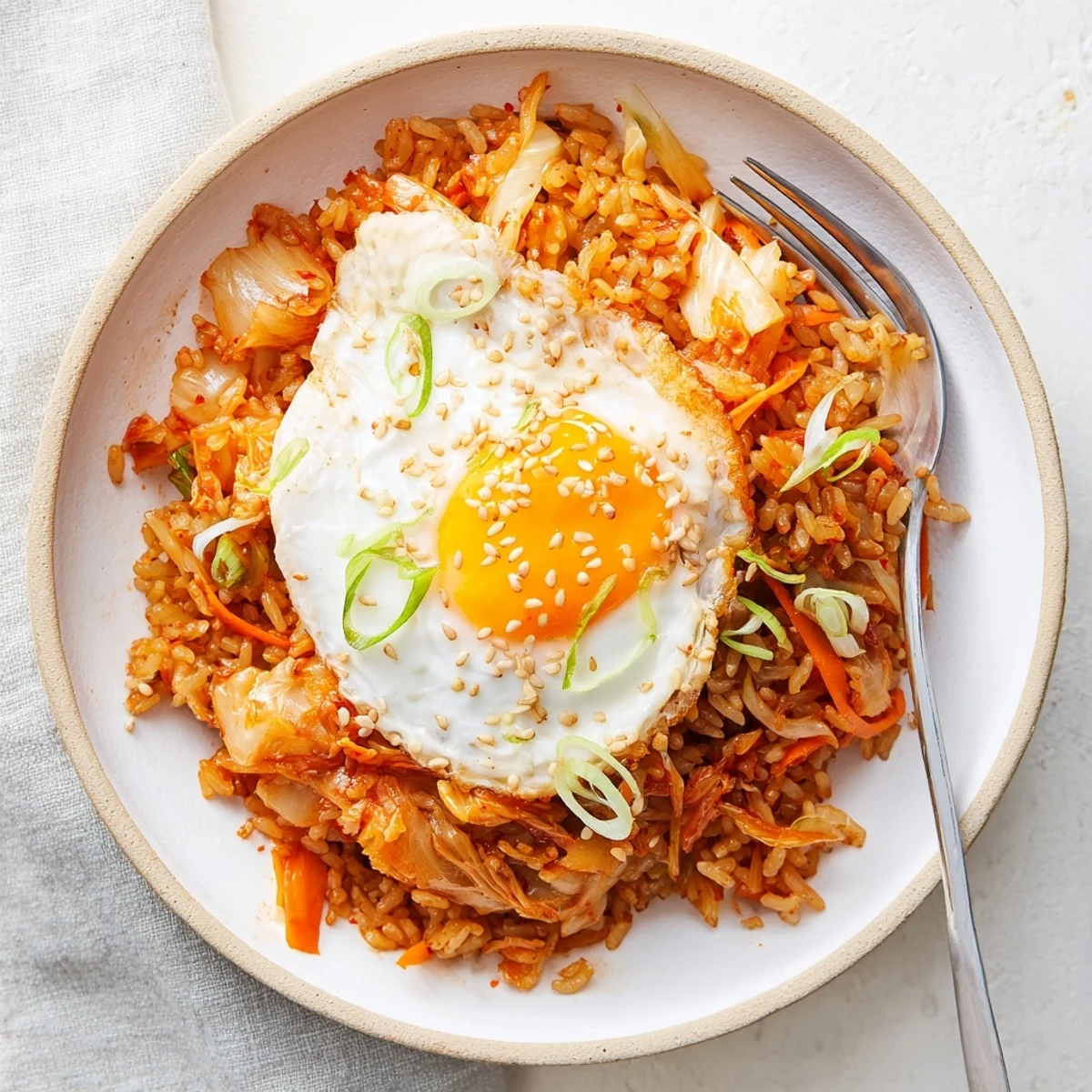
Save Some nights you just need something fast, bold, and deeply satisfying, and this fried rice has never once let me down on that front. Keep kimchi in your fridge always and you are never more than fifteen minutes from happiness.
Recipe FAQs
- → Why use day-old rice?
-
Day-old rice has drier grains that separate easily and crisp up in the pan. Fresh, hot rice holds more moisture and tends to clump or become mushy when stir-fried.
- → How can I make this vegan?
-
Choose kimchi without fish or shellfish, skip the optional egg, and add firm tofu or mushrooms for extra protein and savory depth.
- → How do I control the heat level?
-
Adjust gochujang and gochugaru to taste: add more for a stronger kick, or reduce them and add a touch of sugar to mellow the spice without losing umami.
- → How do I get the kimchi to caramelize?
-
Stir the kimchi over medium-high heat until it reduces and browns at the edges. That caramelization concentrates sweetness and deepens the savory flavor.
- → What oils work best for frying?
-
Use a neutral oil with a high smoke point for browning, then finish with toasted sesame oil off the heat for nutty aroma and richness.
- → How should leftovers be stored and reheated?
-
Keep chilled in an airtight container for up to 3 days. Reheat in a skillet over medium heat to revive texture; add a splash of water if the rice seems dry.