
 Save
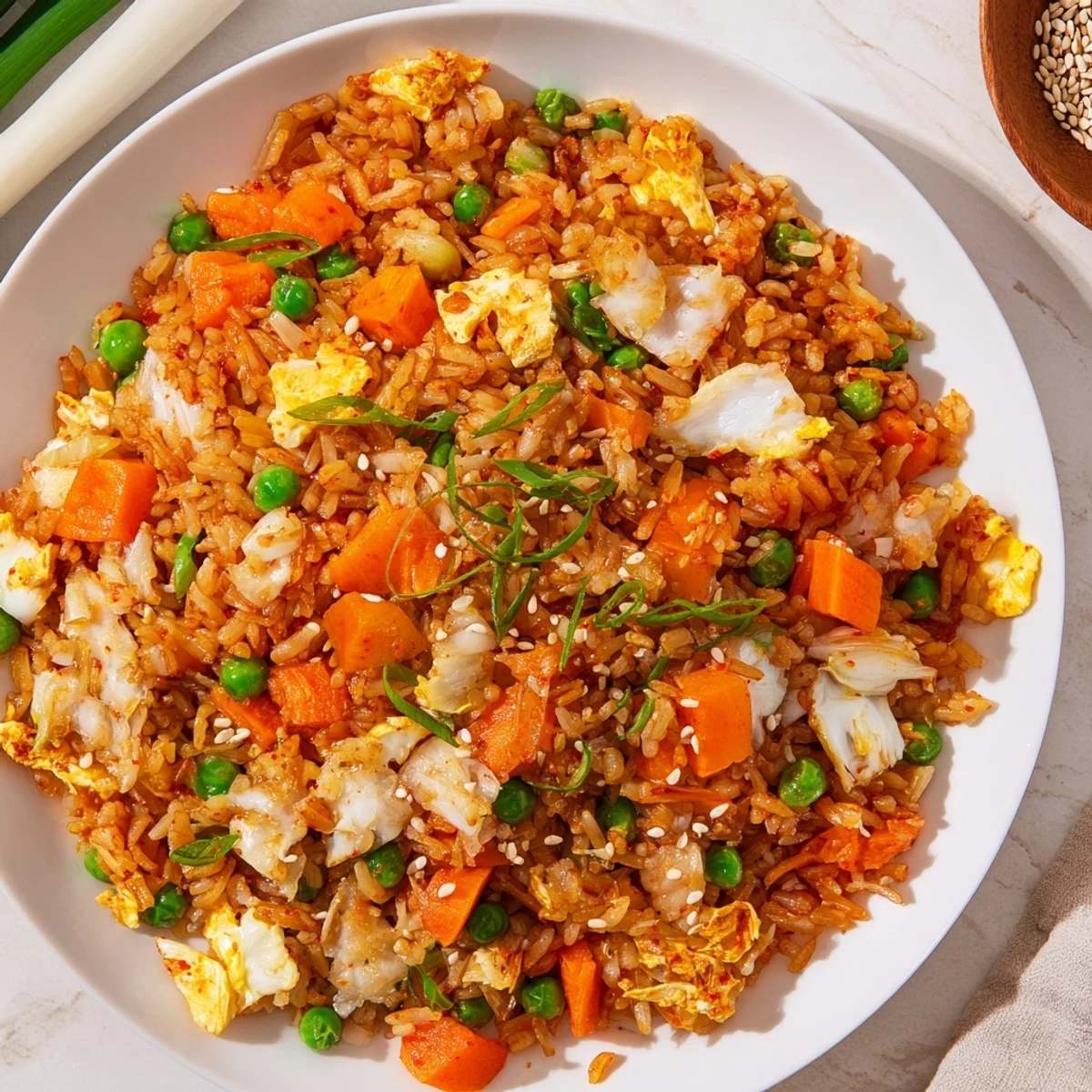
Save This vibrant Korean-inspired dish transforms humble day-old rice into something extraordinary. Tangy kimchi provides a delicious acidic base, while aromatic garlic builds savory depth throughout every grain. The real star emerges from thinly sliced shallots, fried until golden and irresistibly crisp, creating perfect texture contrast against tender rice grains. Ready in just 30 minutes, this versatile dish works beautifully as a standalone meal or pairs wonderfully alongside grilled meats and roasted vegetables. For best results, use rice that's been refrigerated overnight—the firmer texture prevents sogginess and allows each grain to absorb maximum flavor during high-heat stir-frying.
The sizzle of kimchi hitting a hot wok on a rainy Tuesday evening changed my entire perspective on weeknight cooking. What started as a desperate fridge raid turned into the most addictive fried rice I have ever made, and my roommate stood in the kitchen doorway with a fork before I even plated it. The smell of caramelized garlic mingling with fermented kimchi is the kind of thing that makes neighbors knock.
I have made this for late night study sessions, lazy Sunday brunches, and once at 2am after a wedding reception where the dinner was forgettable but the company was not.
Ingredients
- 3 cups cooked jasmine or short grain rice, preferably day old: Fresh rice holds too much moisture and turns gummy, so spread leftover rice on a tray and let it dry out uncovered in the fridge overnight.
- 1 cup kimchi, chopped, plus 2 tbsp kimchi juice: The older and funkier the kimchi, the better the flavor, and that juice is liquid gold so never pour it down the drain.
- 4 cloves garlic, finely minced: Four sounds aggressive but kimchi can handle it, and you want that raw punch mellowed just slightly by the heat.
- 2 green onions, sliced with white and green parts separated: The whites go in early for depth and the greens finish it off with freshness.
- 1 medium carrot, diced: Small uniform dice means every bite gets a sweet crunch without holding up the quick cooking time.
- 1/2 cup frozen peas, thawed: A handful of sweetness that balances the fermented tang beautifully.
- 2 large eggs, lightly beaten: They add richness and protein, plus scrambling them separately keeps the curds tender.
- 2 tbsp soy sauce: Use a good quality one because it is the backbone of seasoning here.
- 1 tbsp sesame oil: Added at the end so its toasty aroma does not cook off.
- 1/2 tsp ground black pepper: Korean cooking loves black pepper, and you will be surprised how much it elevates everything.
- 1 tsp sugar, optional: Just enough to round out the acidity of kimchi without making anything sweet.
- 3 shallots, thinly sliced: These become the crowning glory, so slice them as evenly as you can for uniform crispness.
- 1/3 cup vegetable oil for frying: You will reuse this shallot infused oil to cook the entire dish, so nothing goes to waste.
- 1 tbsp toasted sesame seeds and extra green onions for garnish: Texture and color make the first bite happen with your eyes.
Instructions
- Fry the shallots until golden and majestic:
- Heat the vegetable oil in a small skillet over medium heat and add the sliced shallots, stirring occasionally until they turn a deep golden brown, about 5 minutes. Scoop them out with a slotted spoon onto paper towels and resist the urge to eat them all before the rice is done.
- Scramble the eggs soft and remove them:
- In a large wok or skillet, heat one tablespoon of that fragrant shallot oil over medium high heat, pour in the beaten eggs, and gently scramble until just set but still soft. Transfer them to a plate because they will go back in at the very end.
- Wake up the aromatics:
- Add another tablespoon of shallot oil to the pan and toss in the minced garlic and white parts of the green onions, stirring for about 30 seconds until your kitchen smells incredible.
- Cook the vegetables until just tender:
- Add the diced carrot and cook for 2 minutes, then stir in the thawed peas and chopped kimchi, cooking for another 2 to 3 minutes while stirring frequently so nothing catches on the bottom.
- Add the rice and turn up the heat:
- Crank the heat to high, add the rice and kimchi juice, and use your spatula to break up any stubborn clumps while stir frying for 2 to 3 minutes until every grain is heated through and starting to toast.
- Season and coat every grain:
- Pour in the soy sauce, sesame oil, black pepper, and sugar if you are using it, then mix thoroughly until the rice is evenly colored and fragrant, letting it sit for a few seconds between stirs so it browns lightly.
- Bring it all together:
- Return the scrambled eggs to the pan along with the green parts of the green onions, tossing everything together for one final minute so the eggs warm through without overcooking.
- Plate and crown with glory:
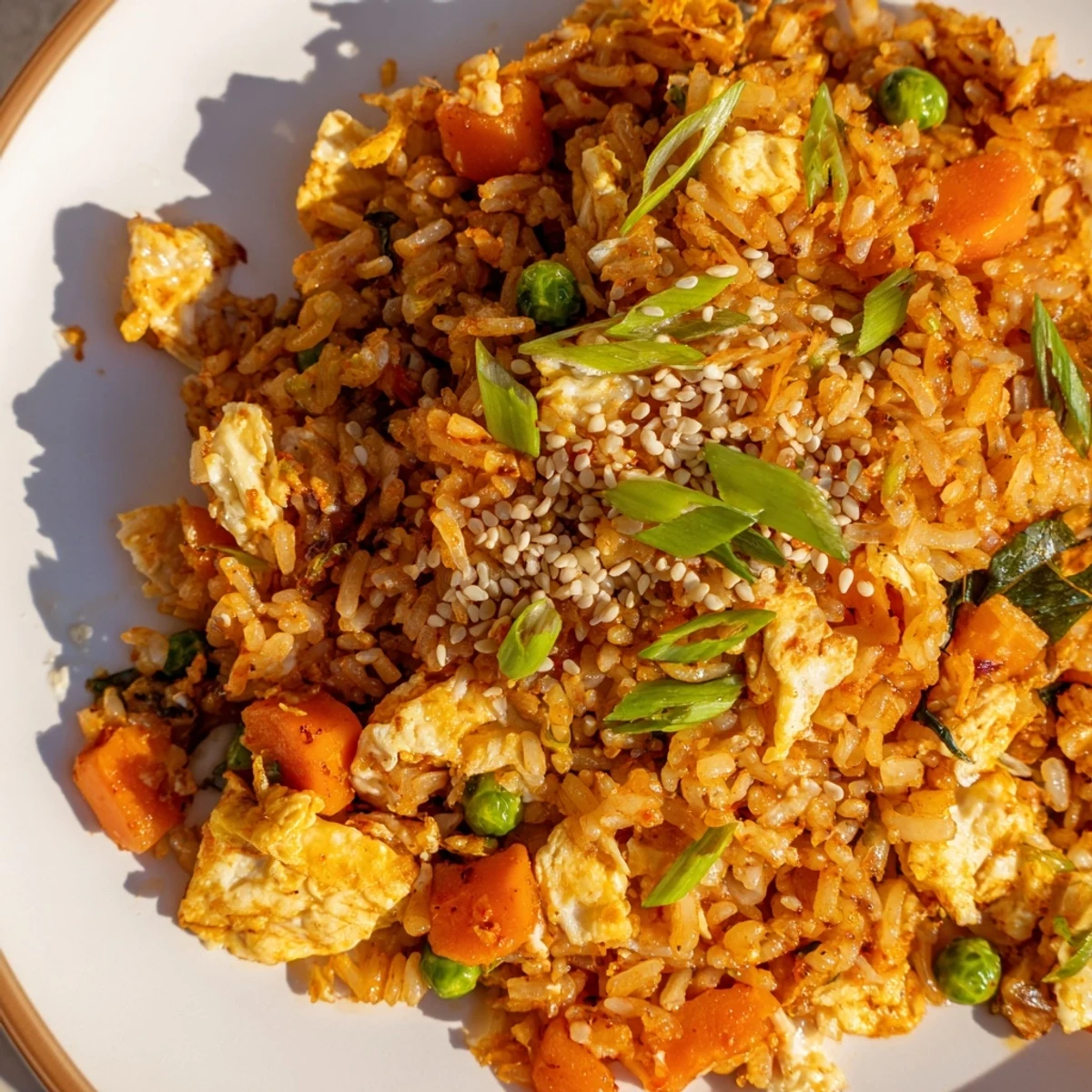
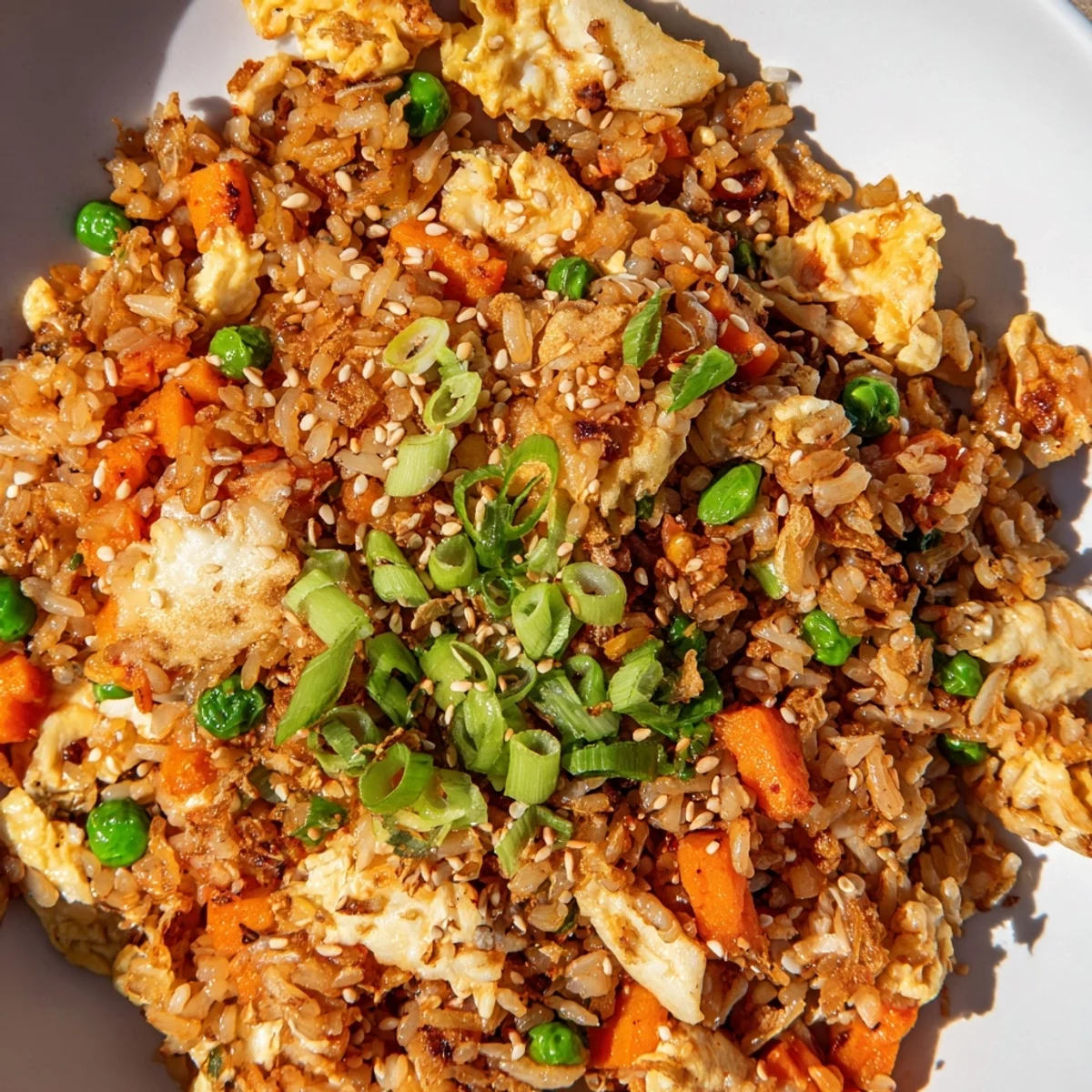
- Transfer the rice to bowls and shower each portion generously with crispy shallots, toasted sesame seeds, and extra sliced green onions before serving immediately while the shallots still crackle.
 Save
Save 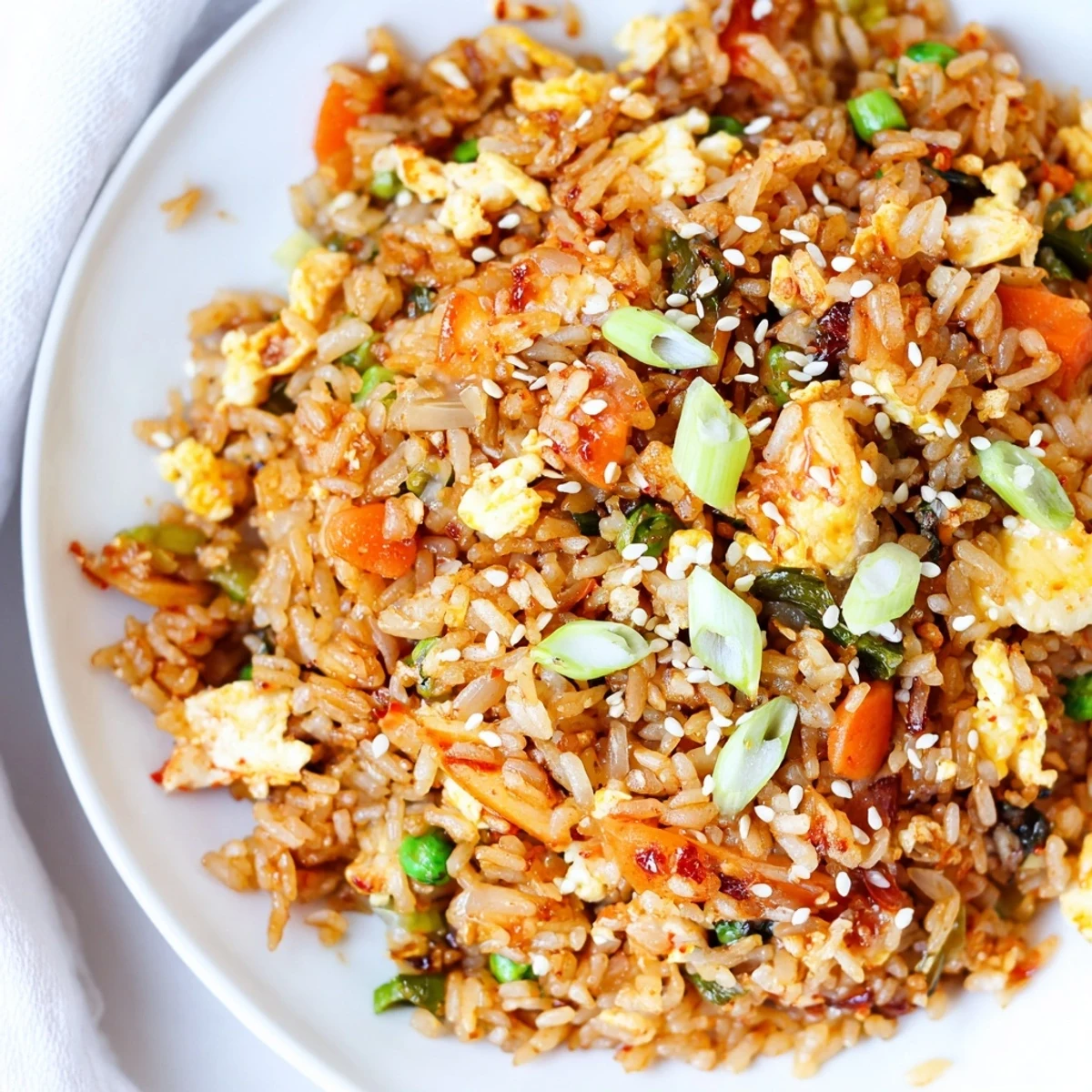 Save
Save The night I brought this to a potluck, three people asked for the recipe before they finished their first bowl, and someone quietly packed the leftovers into a container when they thought no one was watching.
Making It Your Own
This recipe is endlessly flexible once you understand the structure: crispy allium, aromatics, vegetables, rice, and seasoning. Try adding diced tofu pressed dry and pan fried until golden, or fold in leftover roasted chicken for a heartier version.
The Rice Matters More Than You Think
I once tried making this with freshly cooked rice because I was impatient, and it turned into a sticky mess that tasted fine but had zero texture. If you are in a rush, spread hot rice on a baking sheet and pop it in the freezer for 15 minutes to dry out the surface moisture quickly.
Serving and Storing
This rice is best eaten immediately while the shallots maintain their crunch and the contrast of textures sings. Leftovers keep in an airtight container in the fridge for up to three days and reheat beautifully in a hot skillet with a splash of water.
- Keep the crispy shallots in a separate container at room temperature so they stay crunchy.
- Reheat in a skillet rather than a microwave to bring back some of that desirable chew.
- Serve with extra kimchi on the side because the tangier the better.
 Save
Save 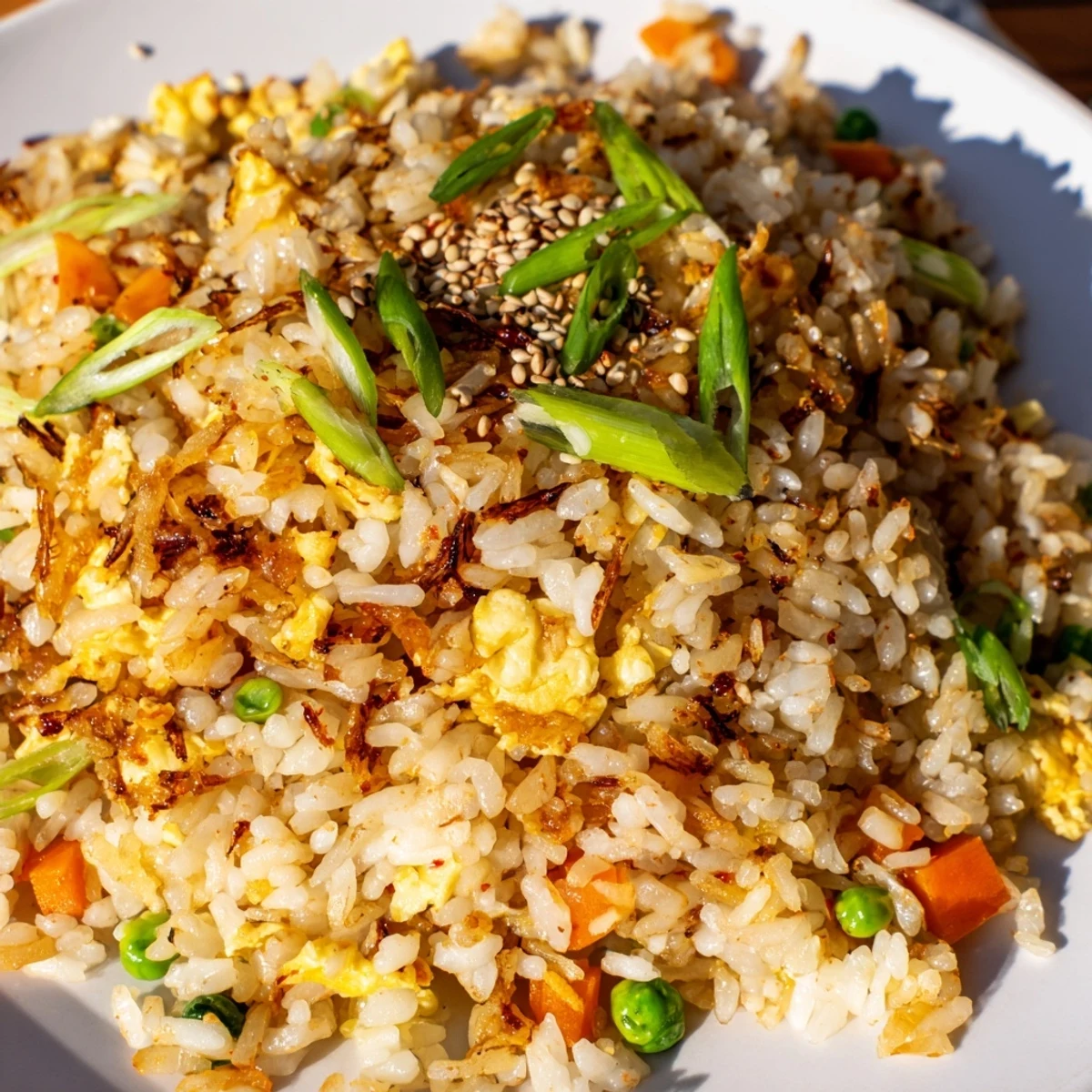 Save
Save Some dishes are recipes and some dishes are reasons to open the fridge at midnight, and this fried rice is proudly both.
Recipe FAQs
- → Why use day-old rice?
-
Day-old rice has dried out slightly, creating firmer grains that separate beautifully during stir-frying. Freshly cooked rice contains excess moisture and tends to become mushy or clumpy when exposed to high heat. If you're in a pinch, spread freshly cooked rice on a baking sheet and refrigerate for 1-2 hours to dry before using.
- → Can I make this spicy?
-
Absolutely. The kimchi already provides some heat, but you can add gochujang (Korean chili paste), sriracha, or sliced fresh chilies during the sautéing stage. Start with 1 teaspoon and adjust to your preferred spice level. The crispy shallots help balance additional heat with their natural sweetness.
- → What type of kimchi works best?
-
Traditional napa cabbage kimchi that's been fermented for at least a week offers the best tangy flavor and texture. Look for kimchi with plenty of garlic and ginger notes. Older, more fermented kimchi adds deeper umami, while younger kimchi provides brighter crunch. Both work beautifully in this dish.
- → Can I prepare crispy shallots ahead?
-
Yes. Fried shallots stay crispy for up to a week when stored in an airtight container at room temperature. You can make a larger batch and use them as garnish for other dishes like noodles, soups, or grain bowls. Reserve the flavorful frying oil for cooking vegetables or proteins later.
- → How do I prevent sticking?
-
Use a well-seasoned wok or non-stick skillet and ensure the oil is properly heated before adding ingredients. The reserved shallot oil adds flavor while helping prevent sticking. Work in batches if your pan is overcrowded, and keep the rice moving constantly with a spatula during high-heat cooking.
- → What proteins can I add?
-
Cubed tofu, shredded chicken, sliced pork belly, or shrimp work wonderfully. Add pre-cooked proteins during step 5 when combining with rice, or cook raw proteins in the pan before starting the aromatics. The bold kimchi flavors pair exceptionally well with pork and seafood.