
 Save
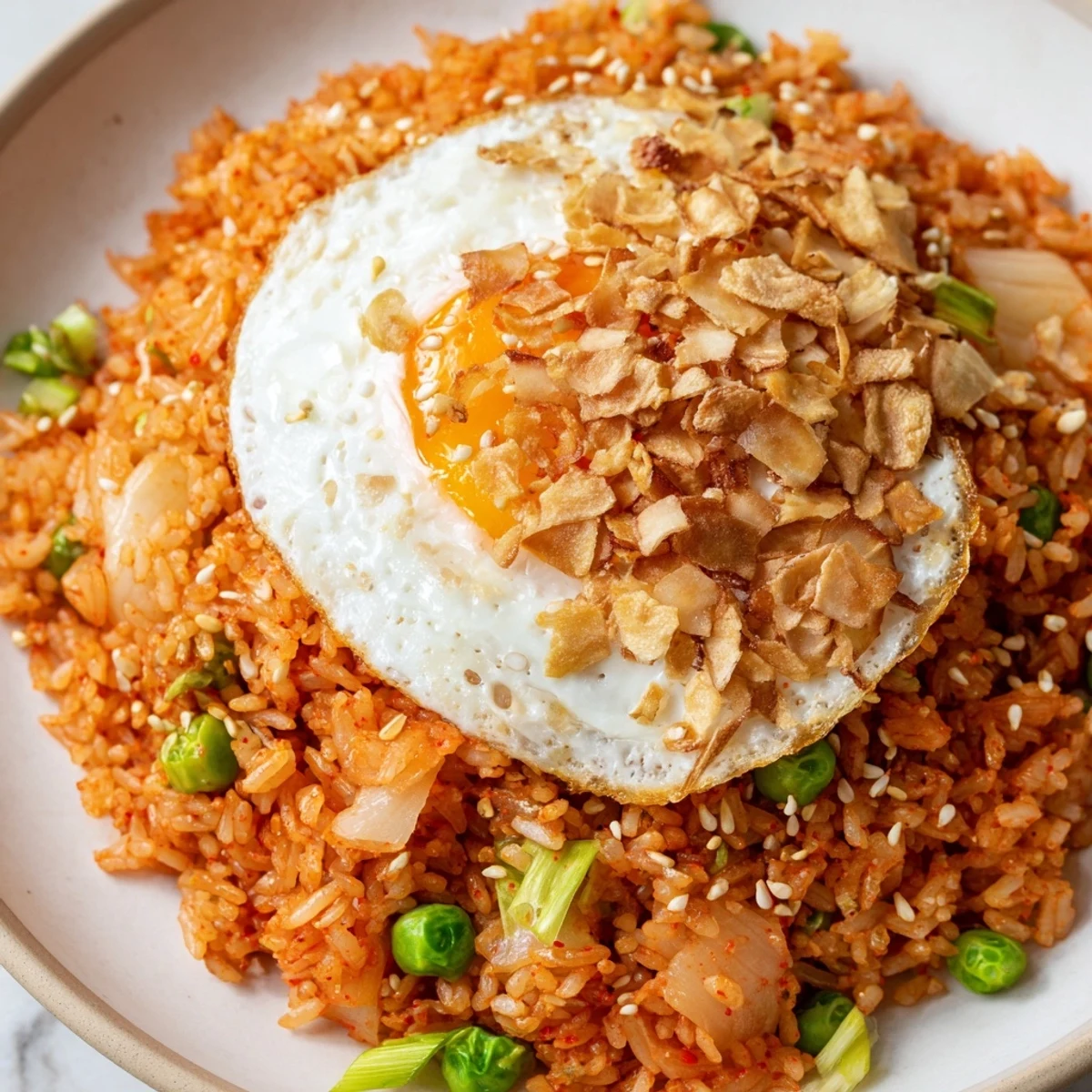
Save This Korean-inspired dish transforms day-old rice into a vibrant, aromatic masterpiece. Spicy fermented kimchi lends depth and tang, while fresh scallions add brightness throughout each bite. The star element—golden garlic slices—delivers satisfying crunch and rich flavor that elevates the entire dish.
Perfect for weeknight dinners, this one-pan wonder comes together in just 30 minutes. The combination of textures creates an irresistible experience: tender rice grains, crisp vegetables, and those irresistible crispy garlic topping pieces. Serve alone or with fried eggs for a complete meal.
Last Tuesday night found me standing in front of the fridge at 9 PM, too tired to cook anything elaborate but craving something with real flavor. That container of slightly fermented kimchi caught my eye, and suddenly I remembered my college roommate's mother making this incredible fried rice during our late-night study sessions. The way she'd crisp up garlic first, then let the kimchi get all caramelized and sweet—I could practically smell it. Thirty minutes later, my kitchen smelled like a tiny corner of Seoul, and I knew this was going to be a regular weeknight rescue.
My friend Mei came over last month during a particularly brutal deadline week, and I threw this together using whatever we had in the fridge. She literally stopped mid-sentence after her first bite, eyes wide, and asked for the recipe immediately. Now she makes it every Sunday meal prep, and her husband thinks she's secretly taking Korean cooking classes. The best part? It's forgiving enough that you can customize it based on what's wilting in your crisper drawer.
Ingredients
- Day-old jasmine or short-grain rice: I learned this the hard way after attempting fried rice with freshly cooked grains that turned into gummy disappointment—the drier grains get that perfect slight crunch and soak up flavors better
- Napa cabbage kimchi: Look for kimchi that's been fermenting at least a week, when it's developed that perfect tangy-sweet balance and the cabbage has softened
- Scallions: I use both the white and green parts, but save the prettiest green slices for that final pop of color
- Garlic: Using it two ways might seem excessive, but the crispy slices bring texture while the minced garlic blends into the sauce
- Frozen peas: Honestly, these work better than fresh here—they hold their shape and add little bursts of sweetness
- Soy sauce and sesame oil: This dynamic duo creates that deep umami base that makes Korean food so addictive
- Gochujang: Optional if you're spice-averse, but it adds this complex heat that builds rather than burns
- Neutral oil: You need something with a high smoke point for getting that garlic perfectly golden without bitterness
Instructions
- Get everything ready before you turn on the stove:
- Mise en place isn't just fancy restaurant talk—fried rice happens fast, and you don't want to be frantically chopping garlic while your rice is burning
- Crisp the garlic first:
- Watch those sliced garlic cloves like a hawk—they go from golden to burnt in seconds, and once you've tasted the difference, you'll never skip this step again
- Build your flavor base:
- Let the carrots get a little color and the scallions wilt before adding the kimchi—this layering creates depth instead of everything tasting the same
- Let the kimchi work:
- Don't rush this part—those 2-3 minutes of stir-frying transform kimchi from pickled cabbage into something almost sweet and caramelized
- Break it up gently:
- Use your spatula to press down on any rice clumps rather than hacking at them—some texture variation is actually nice
- Season and taste:
- The rice will absorb salt differently depending on your kimchi's salt level, so start with less soy sauce and add more as needed
- Add the final brightness:
- Those peas and remaining scallions go in last so they stay vibrant and fresh-tasting against the rich, savory rice
- The egg situation:
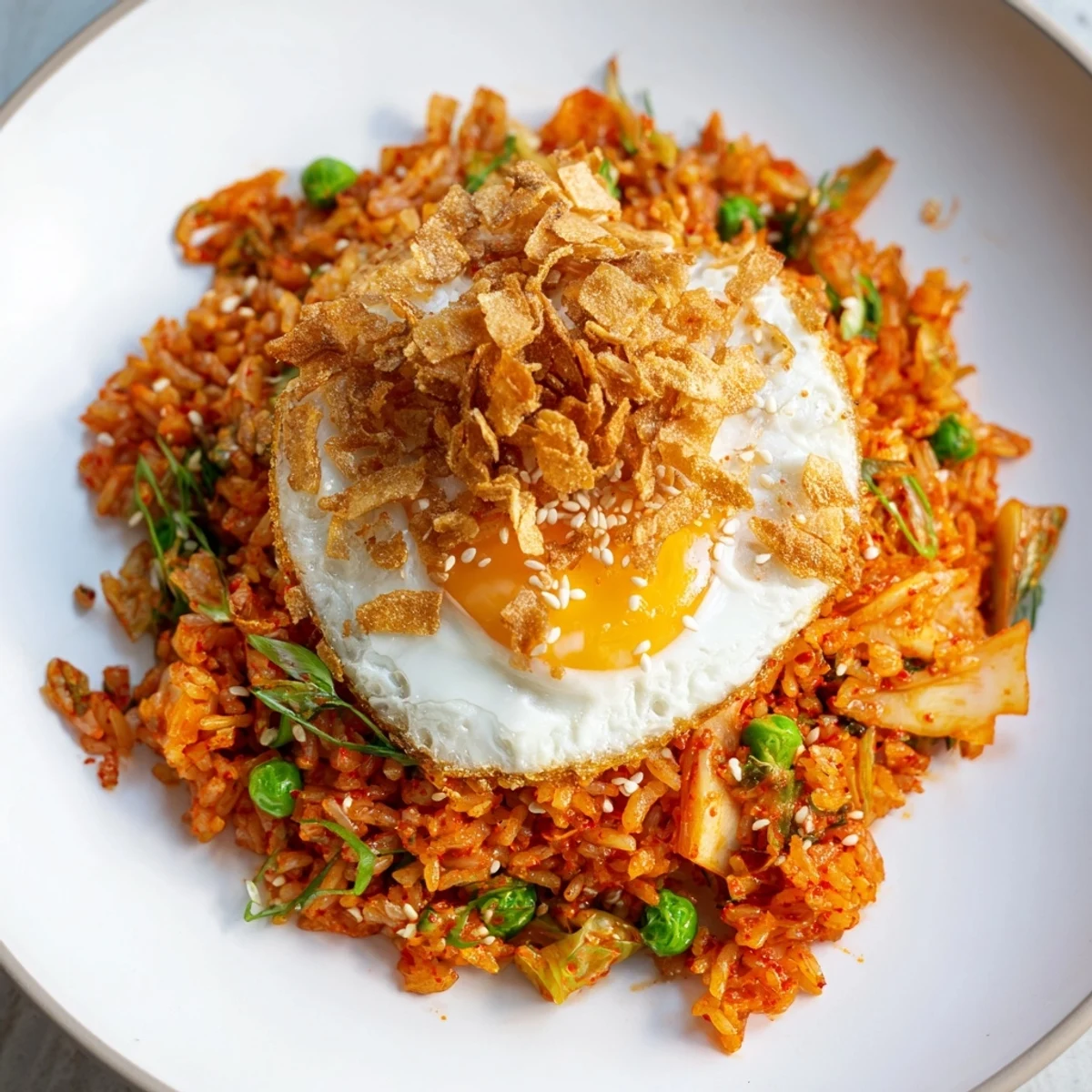
- I fry mine separately so the whites get crispy while the yolks stay runny—that broken yolk mixing into the hot rice is basically liquid gold
 Save
Save Last summer, my neighbor's daughter came home from college and mentioned she'd been living on instant ramen. I taught her to make this fried rice, and she texted me two weeks later saying she'd made it for her roommates three times and they'd started calling her 'the Korean cooking queen.' Sometimes the simplest recipes are the ones that make you feel like you can actually cook.
Making It Your Own
Once you've got the basic technique down, this rice becomes a canvas. I've added corn, spinach, even diced bell peppers when that's what my CSA box demanded. The key is keeping the pieces relatively small so everything cooks evenly and no single ingredient overwhelms the kimchi.
The Protein Question
While fried eggs are traditional, I've also topped this with seared tofu, rotisserie chicken, or even Spam sliced thin and crisped up—the saltiness plays beautifully with the kimchi. Just keep your protein in similarly sized pieces so every forkful feels balanced.
Leftovers and Make-Ahead Magic
This reheats surprisingly well, which is saying something for fried rice. I'll sometimes make a double batch and portion it into containers for those nights when even 30 minutes feels like too much. The flavors actually meld and deepen overnight.
- Store in airtight containers for up to 4 days
- Reheat in a skillet with a splash of water to refresh the texture
- Fried eggs are best made fresh, but you can soft-boil eggs ahead and keep them in the fridge
 Save
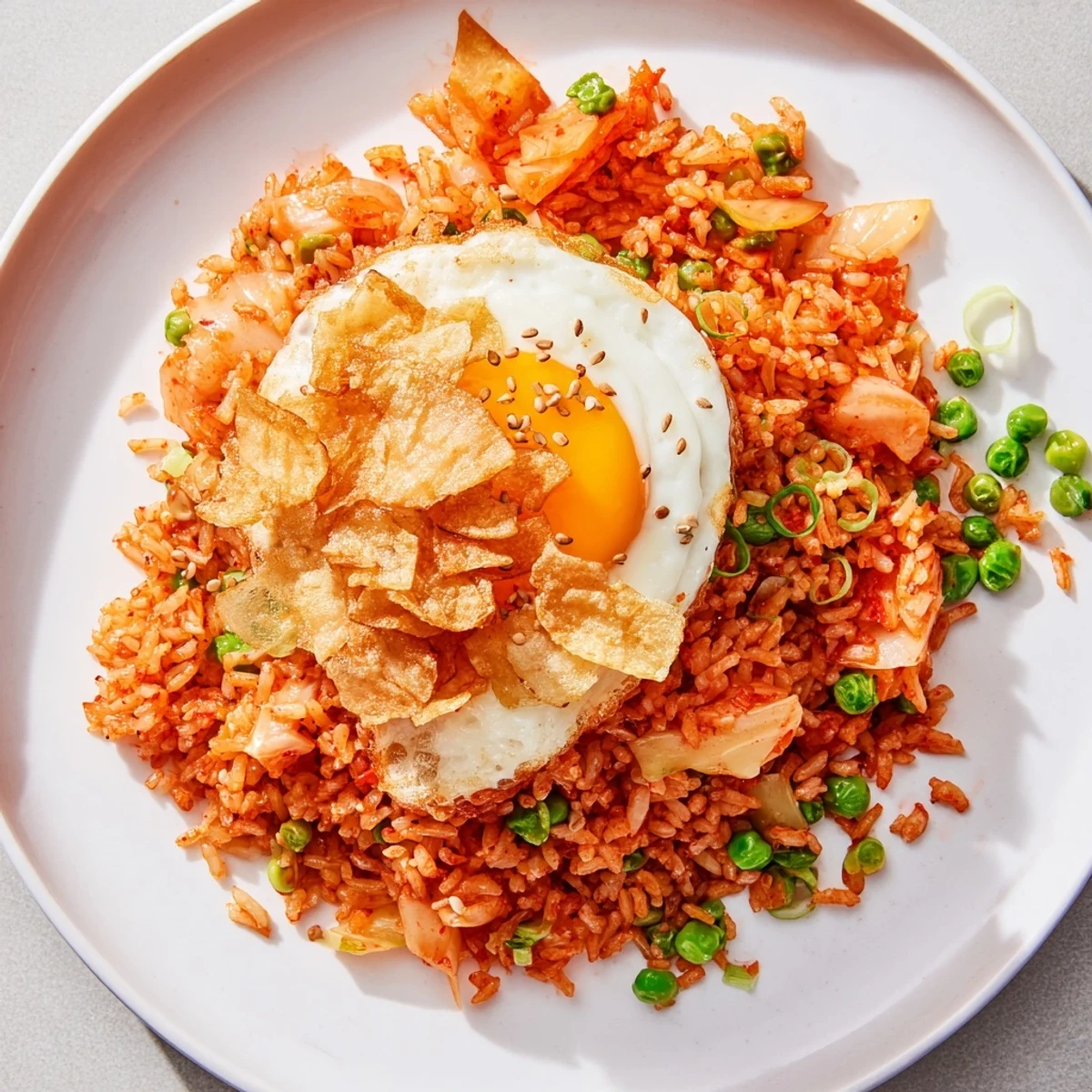
Save There's something deeply satisfying about turning humble leftovers into a meal that feels special. This rice has saved more weeknight dinners than I can count, and I hope it finds its way into your regular rotation too.
Recipe FAQs
- → Can I use fresh rice instead of day-old?
-
Day-old rice works best because it's drier and prevents clumping. If using fresh rice, spread it on a baking sheet and refrigerate uncovered for 1-2 hours to dry slightly before cooking.
- → How can I make this dish spicier?
-
Increase the gochujang amount or add extra chopped kimchi. You can also incorporate Korean chili flakes (gochugaru) or sliced fresh chili peppers during the stir-frying process.
- → What protein additions work well?
-
Diced tofu, tempeh, or shredded chicken breast integrate seamlessly. For meat options, try diced pork belly or sliced beef. Add proteins during step 4 to ensure proper heating.
- → Can I make this vegan?
-
Yes—use vegetarian kimchi (check labels for fish sauce), skip the eggs, and ensure your soy sauce is vegan. The dish remains flavorful and satisfying without animal products.
- → How should I store leftovers?
-
Refrigerate in an airtight container for up to 3 days. Reheat in a skillet over medium heat, adding a splash of water if needed. The crispy garlic topping softens—make fresh garnish when serving.
- → Can I substitute the kimchi?
-
Sauerkraut or other fermented vegetables work, though flavor profiles will change. For similar spice and tang, try pickled vegetables with added chili paste or hot sauce.