
 Save
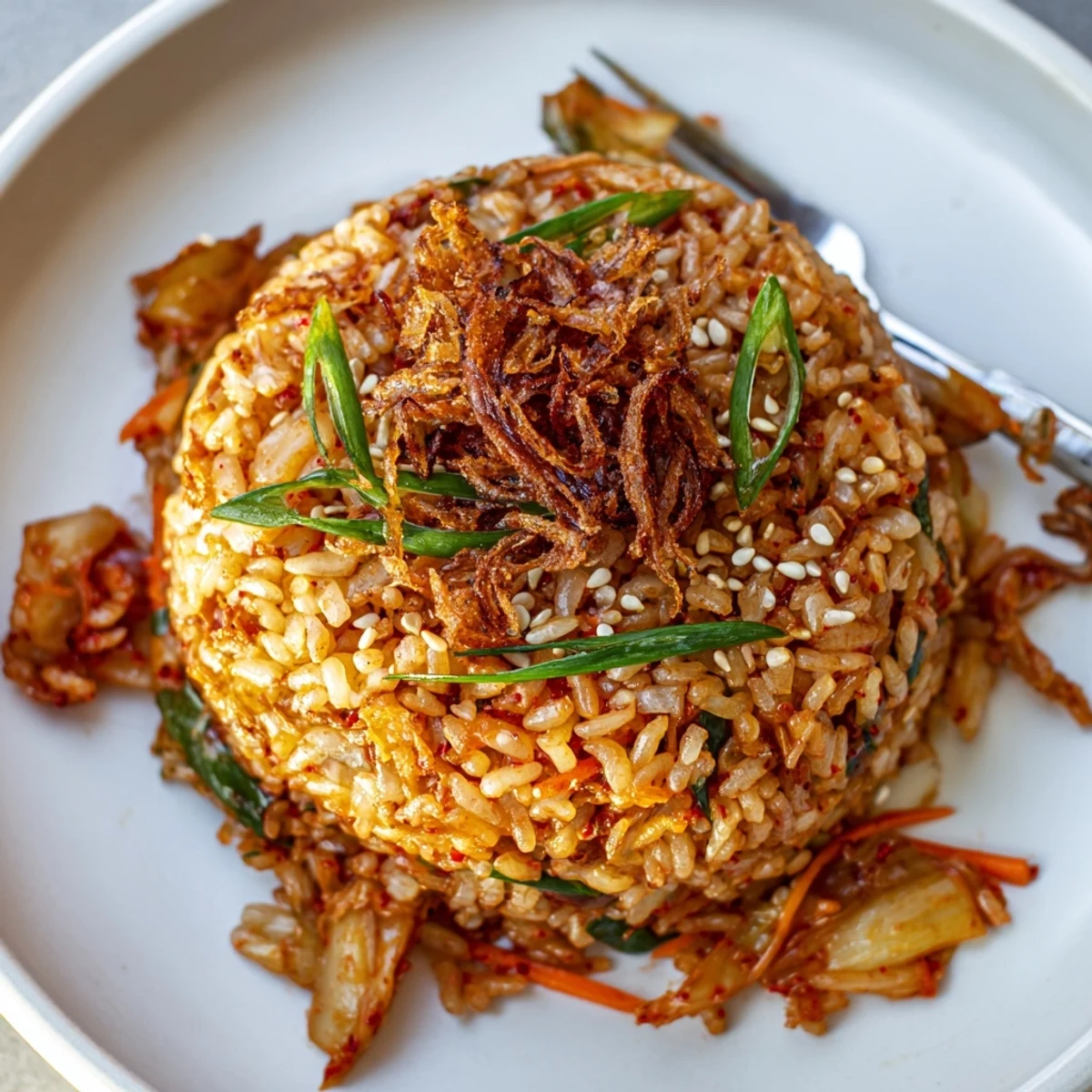
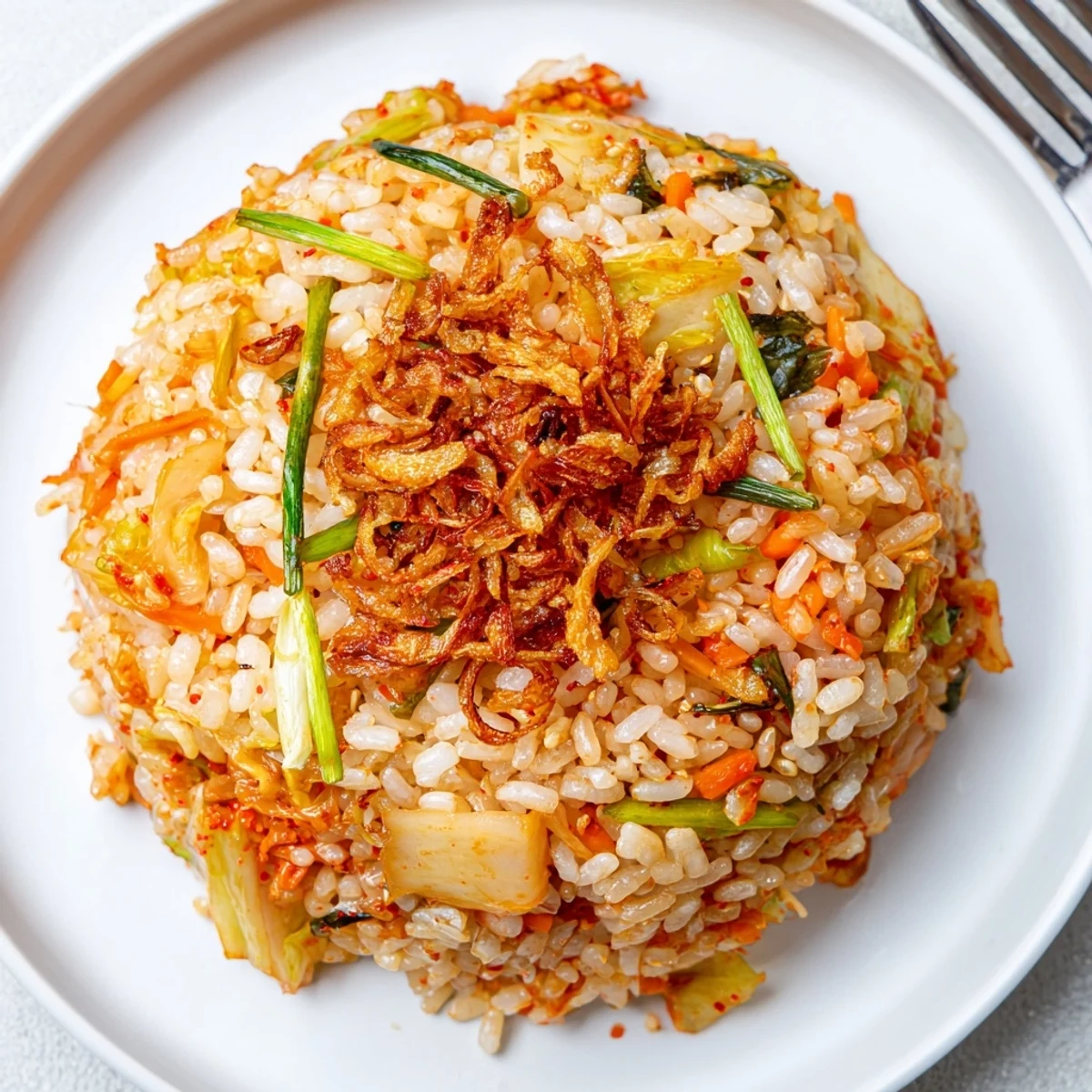
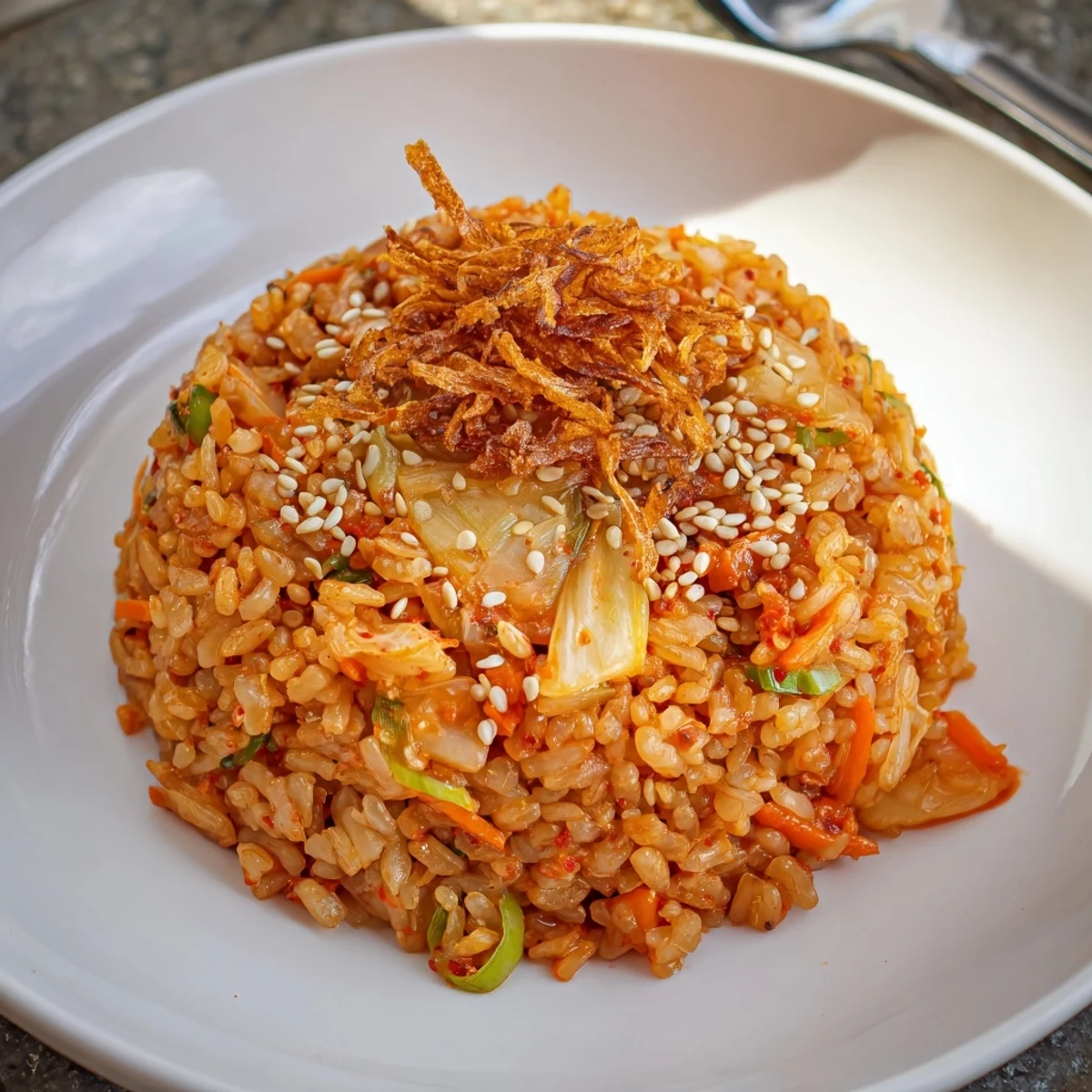
Save Bright kimchi and savory garlic are stir-fried with day-old jasmine rice, scallions, sesame oil and a touch of gochujang for depth. Start by frying thinly sliced shallots until golden, then sauté garlic and ginger and caramelize chopped kimchi. Add rice and seasonings, toss on high heat, finish with scallions, sesame seeds and the crispy shallots for crunchy, umami-rich bites.
The sizzle of kimchi hitting a screaming hot wok on a Tuesday night changed my entire relationship with leftover rice. My fridge was bare except for a jar of fermented cabbage that had been sitting there for weeks, practically daring me to crack it open. What followed was the kind of kitchen accident that makes you feel like a genius, a smoky, tangy, crispy topped bowl of fried rice that I have since made more times than I can count.
I made a double batch of this for a friend who claimed she did not like kimchi, and she scraped her plate clean before asking for the recipe. That moment taught me that sometimes the best way to win someone over is not to explain an ingredient but to just let it speak for itself in a dish where everything balances perfectly.
Ingredients
- 4 cups cooked and cooled jasmine or medium grain white rice: Day old rice is the secret weapon here because it has dried out just enough to fry without turning gummy or clumping together.
- 1 cup napa cabbage kimchi chopped plus 2 tbsp kimchi juice: The juice is liquid gold, pack it in when you spoon the kimchi out of its jar for an extra punch of fermented tang.
- 4 scallions thinly sliced: Reserve a handful of the greenest parts for finishing because that fresh bite at the end cuts through the richness beautifully.
- 4 cloves garlic minced: Four might seem bold but the high heat mellows the bite and leaves you with sweet, savory depth.
- 1 small carrot diced: Optional but the orange flecks make the dish look vibrant and add a faint sweetness that complements the sour kimchi.
- 1 tbsp fresh ginger grated: Fresh ginger brings a warm background hum that ties the Korean flavors together without overpowering anything.
- 2 tbsp soy sauce: Use a good quality one since it is the backbone of seasoning for the entire wok.
- 1 tbsp toasted sesame oil: Always add this off heat or at the very end to preserve its nutty aroma because it burns easily.
- 1 tsp gochujang: This Korean chili paste is optional but it adds a fermented heat that regular chili flakes simply cannot match.
- 1 tsp sugar: Just enough to round out the acidity of the kimchi and bring all the bold flavors into harmony.
- 1/2 tsp freshly ground black pepper: A generous hit of pepper wakes up every other seasoning in the pan.
- 1/2 cup thinly sliced shallots: Cut them as evenly as you can so they all crisp at the same rate in the oil.
- 1/3 cup vegetable oil for frying shallots: You will drain most of this off and can even reuse a spoonful to fry the rice for extra shallot flavor.
- 1 tbsp toasted sesame seeds: A final sprinkle that adds both visual appeal and a gentle crunch.
Instructions
- Fry the shallots until golden:
- Heat the vegetable oil in a small skillet over medium heat and add the sliced shallots, stirring almost constantly so they color evenly without scorching. Once they turn a deep golden brown, scoop them out with a slotted spoon and spread them on paper towels to drain and crisp up.
- Wake up the aromatics:
- In a large wok or deep skillet over medium high heat, add a splash of the reserved shallot oil and toss in the garlic and ginger, stirring fast for about thirty seconds until your kitchen smells incredible.
- Caramelize the kimchi:
- Add the chopped kimchi and diced carrot to the wok and stir fry for two to three minutes, letting the kimchi catch slightly on the edges of the pan because that browning is where the magic happens.
- Toss in the rice and hit high heat:
- Crank the heat to high and add the rice, pressing it flat against the wok surface for a few seconds at a time to get those sought after crispy bits before tossing and breaking up any stubborn clumps with your spatula.
- Season and coat everything:
- Pour in the kimchi juice, soy sauce, gochujang, sugar, and black pepper, then drizzle the sesame oil over the top and toss vigorously so every grain gets lacquered in that savory, tangy sauce.
- Stir in most of the scallions:
- Add the bulk of your sliced scallions to the wok and toss for one final minute just to wilt them slightly, then taste a grain of rice and add a pinch more soy sauce or a drop of sesame oil if it needs it.
- Plate and finish with crunch:
- Transfer the rice to warm plates or a big serving bowl, then scatter the crispy shallots, sesame seeds, and reserved scallion greens over the top in generous amounts before serving immediately while everything is still hot and crackling.
 Save
Save One cold evening I packed the leftovers into a thermos for lunch the next day and ate it sitting on a park bench, and even lukewarm it was the most satisfying thing I had tasted all week.
Making It Your Own
This fried rice is a canvas as much as it is a recipe, and I have thrown in everything from leftover roasted vegetables to shredded rotisserie chicken depending on what needed using up. The kimchi and soy sauce base is strong enough to handle almost any addition without losing its identity.
What to Serve Alongside
A simple miso soup or a plate of lightly dressed cucumber rounds makes this meal feel complete without competing with the bold flavors already on your plate. A cold beer or sparkling water with a squeeze of lime is really all you need to drink alongside it.
Storing and Reheating Leftovers
Leftovers keep well in a sealed container in the fridge for up to two days and reheat beautifully in a hot skillet with just a splash of water to loosen the rice. The crispy shallots will soften overnight so I always store them separately in a small container at room temperature if I want that crunch the next day.
- Keep the shallots in their own airtight container so they stay crisp instead of turning rubbery in the fridge.
- A splash of water or a few drops of sesame oil when reheating brings the rice back to life and prevents it from drying out.
- Taste before adding extra salt because the kimchi continues to deepen in flavor as it sits.
 Save
Save Some dishes become part of your regular rotation because they are easy, and others earn that spot because they make you happy every single time you sit down to eat them. This fried rice manages to do both, and that is really all you can ask of a weeknight meal.
Recipe FAQs
- → How do I keep the rice from clumping?
-
Use day-old, chilled rice and break up any clumps before adding to the pan. Stir-fry over high heat in a wide skillet or wok and avoid overcrowding so each grain can dry and separate.
- → Can this be made vegan?
-
Yes. Choose vegan kimchi (no fish sauce or shrimp paste) and swap soy sauce for tamari if gluten-free. Add tofu for extra protein if desired.
- → How do I get crispy, golden shallots?
-
Slice shallots thinly and fry in hot oil over medium heat, stirring frequently until deep golden, about 4–5 minutes. Drain on paper towels and reserve for topping to maintain crunch.
- → Which rice works best?
-
Day-old jasmine or medium-grain white rice works best. Chilled rice firms up and releases less steam, making it easier to fry and achieve a light, separated texture.
- → When should I add eggs or tofu?
-
Add scrambled eggs or diced tofu after sautéing the aromatics and before adding the rice, or push ingredients to the side of the pan, cook eggs, then combine. For tofu, use pan-fried cubes to preserve texture.
- → How can I control the heat level?
-
Adjust gochujang quantity or omit it for mild heat. Add red pepper flakes or a drizzle of chili oil for extra spice, or balance heat with a pinch of sugar and sesame oil.