 Save
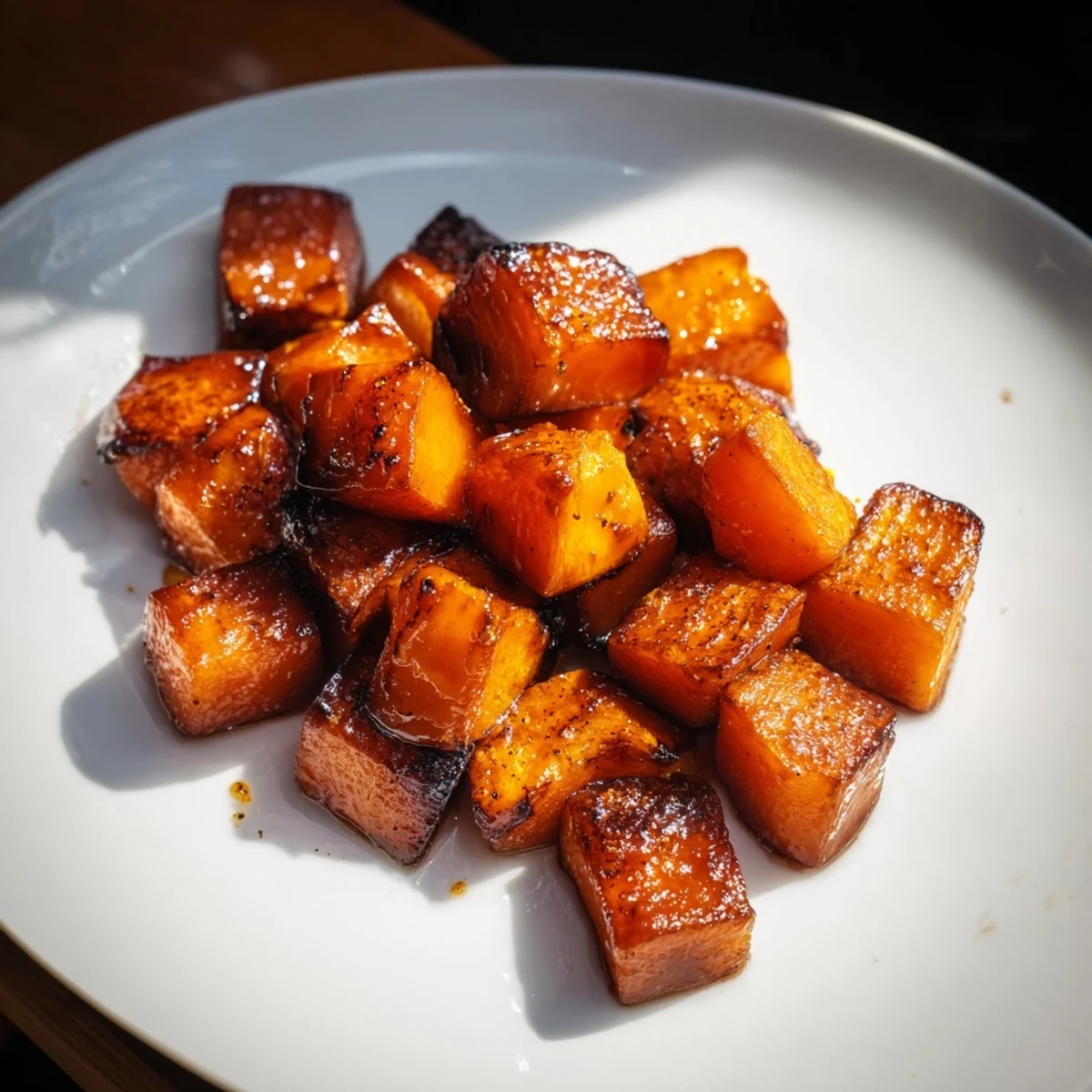
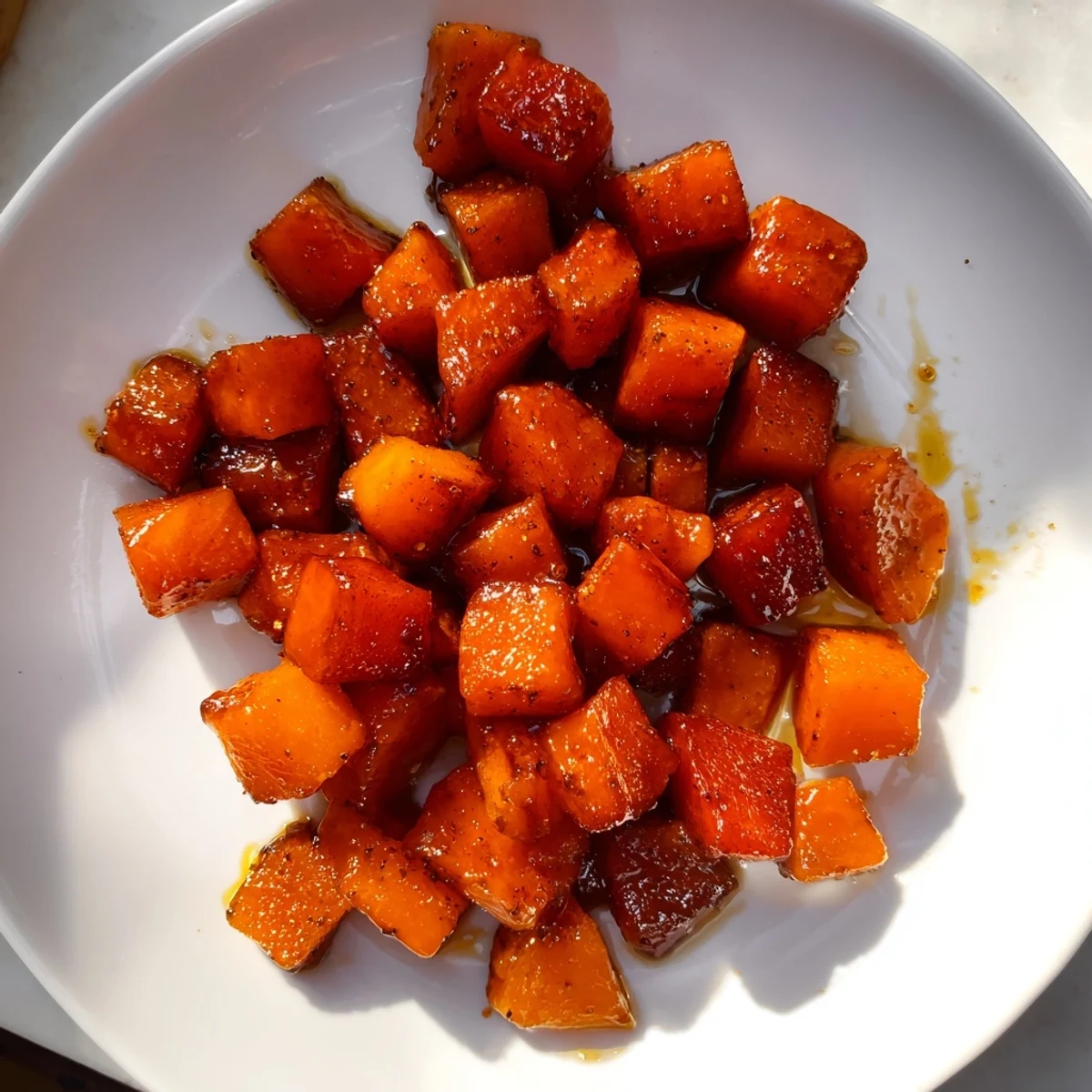
Save This dish features tender butternut squash cubes roasted to caramelized perfection, glazed twice with pure maple syrup to enhance natural sweetness. Combined with warm spices like cinnamon and nutmeg and enriched with butter and olive oil, it creates a flavorful side ideal for autumn and winter meals. Simple preparation and roasting yield a dish with a balance of sweet and savory notes and a pleasing texture, making it a comforting complement to various main courses.
There's something about the smell of butternut squash caramelizing in the oven that stops me mid-afternoon, pulling me toward the kitchen like a quiet invitation. One November, while prepping Thanksgiving sides, I discovered that a double maple glaze transformed these golden cubes into something between candy and comfort food. My hands were sticky with syrup, the counter smelled like autumn in its purest form, and I knew I'd found the side dish that would steal the show.
I made this for my sister's potluck last year, and someone asked if it was dessert. The way the edges crisped up while the insides stayed tender reminded me that the best side dishes are the ones people actually remember. She still texts me asking for the recipe every October.
Ingredients
- Butternut squash: Buy one medium squash (about 2 lbs) and peel it before cutting; pre-cut squash dries out in the oven and won't caramelize the same way.
- Pure maple syrup: Don't skimp here; real maple syrup creates the glaze that makes this dish special, and the flavor difference is worth it.
- Unsalted butter: 2 tbsp melted, which carries the spices into every piece and helps with browning.
- Olive oil: 1 tbsp adds richness and keeps the edges from burning while the inside cooks.
- Cinnamon: 1/2 tsp ground; it's the quiet backbone that makes people ask what that warm spice is.
- Nutmeg: 1/4 tsp ground, which needs a light hand or it overpowers everything else.
- Sea salt: 1/2 tsp to wake up the sweetness and deepen the maple flavor.
- Black pepper: 1/4 tsp freshly ground for a subtle bite that prevents the dish from being one-note.
Instructions
- Get your oven ready:
- Preheat to 400°F and line your baking sheet with parchment paper so cleanup becomes effortless and the squash roasts evenly. This step takes two minutes and saves you scrubbing later.
- Build the first glaze:
- Toss the squash cubes in a large bowl with 2 tbsp maple syrup, melted butter, olive oil, cinnamon, nutmeg, salt, and pepper until every piece gleams with coating. You'll notice the spices cling to the wet surfaces; that's exactly what you want.
- Spread and roast:
- Arrange the squash in a single layer on your baking sheet, leaving a little space between pieces so steam escapes and they brown instead of steam. Roast for 25 minutes, stirring halfway through so the bottom edges catch the heat.
- Apply the second glaze:
- Pull the squash out, drizzle with the remaining 2 tbsp maple syrup, and toss gently; the heat will melt it into a thin glaze that caramelizes. Return to the oven for 10 more minutes until the edges turn deep golden and the centers yield to a fork.
- Finish with warmth:
- Serve hot, garnished with fresh thyme or chopped pecans if you're feeling generous. The warmth keeps the glaze from setting too hard, letting the flavors blend on your plate.
 Save
Save My nephew, who claims to hate vegetables, asked for seconds at dinner and then thirds. Watching skepticism turn into genuine pleasure reminded me that the way food is prepared matters more than the ingredient list. Sometimes a side dish becomes the reason people show up.
Timing and Flexibility
You can prep the squash cubes hours ahead and store them in the fridge, then toss with the glaze right before roasting. If your oven runs hot, start checking around the 23-minute mark; if it runs cool, add a few minutes. The squash is done when a fork slides through easily and the edges show deep caramel color, not when the timer says so.
Swaps and Substitutions
Acorn squash or kabocha squash work beautifully here and often cook a bit faster since the pieces are naturally smaller. Some people add a tiny pinch of cayenne pepper for warmth or smoked paprika for depth. You can also brush the finished squash with hot sauce if you want savory to edge out sweet.
Why This Belongs on Your Table
This dish pairs quietly with roasted turkey, sits proudly on a vegetarian spread, and works as part of a simple weeknight dinner. It's the kind of side that makes people remember what they ate, not just that they were hungry.
- Make it dairy-free by using plant-based butter or adding an extra tablespoon of olive oil instead.
- Leftovers keep for three days in the fridge and can be reheated gently in a 325°F oven for five minutes.
- Always check your maple syrup label if serving guests with allergies, since processing varies.
 Save
Save This recipe turned into a tradition in our kitchen not because it's complicated, but because it tastes like care. Every time you make it, you're inviting fall to the table.
Recipe FAQs
- → What type of squash is best for this dish?
-
Butternut squash is preferred for its sweet, nutty flavor and smooth texture, but acorn or kabocha squash can be good substitutes.
- → How does the double glazing with maple syrup affect flavor?
-
Glazing twice enhances both the sweetness and caramelization, creating a rich, glossy finish with layered maple notes.
- → Can I make this dish dairy-free?
-
Yes, replacing butter with plant-based alternatives or extra olive oil keeps it dairy-free while maintaining richness.
- → What spices complement the squash in this preparation?
-
Cinnamon and nutmeg contribute warm, aromatic flavors that balance the maple’s sweetness and deepen the savory profile.
- → How should the squash be prepared before roasting?
-
Peel, seed, and cut the butternut squash into 1-inch cubes to ensure even roasting and caramelization.