 Save
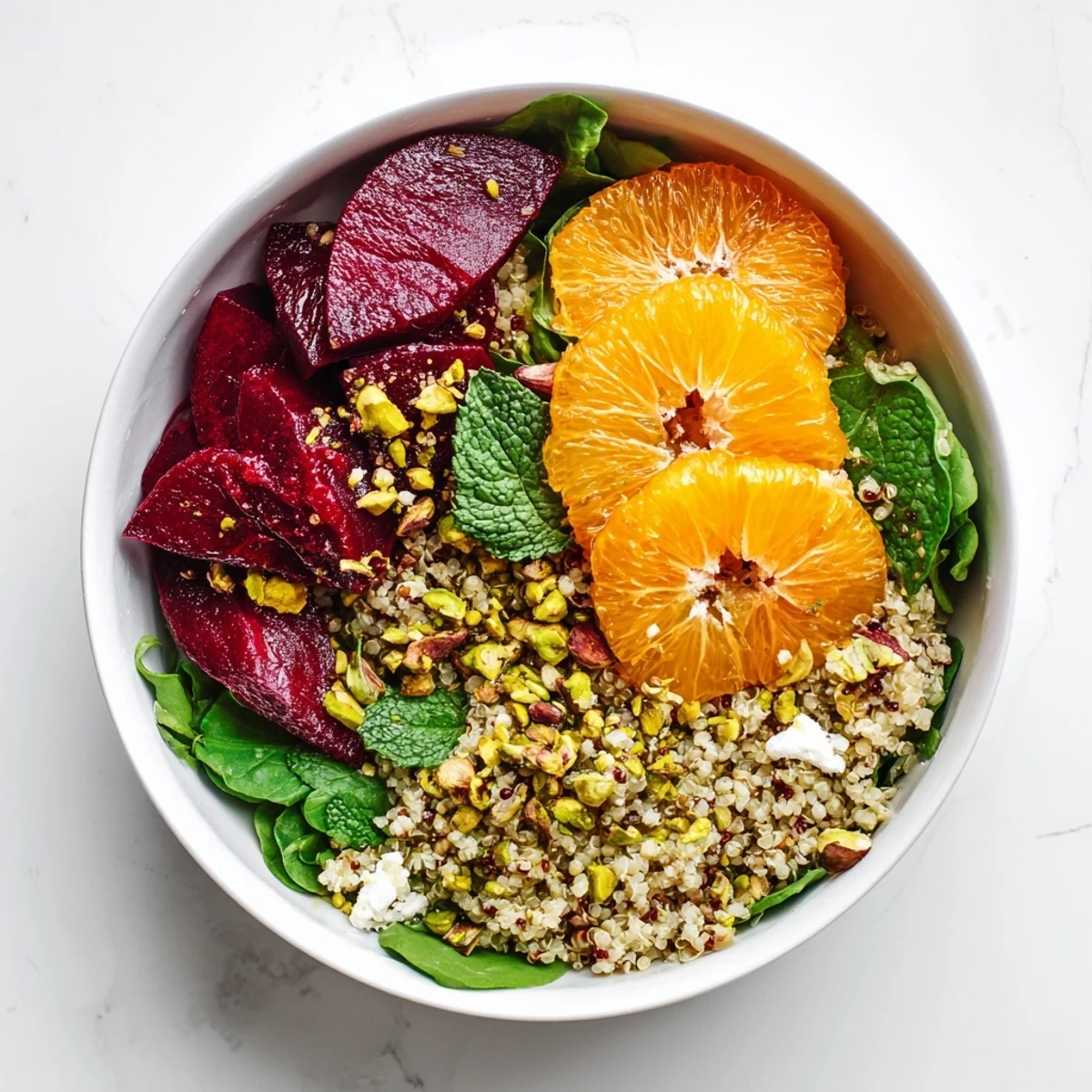
Save A vibrant, nourishing grain bowl featuring sweet roasted beets, juicy citrus, hearty grains, and a bright pistachio crunch. Perfect for a refreshing lunch or colorful dinner.
This dish combines tender roasted beet wedges with fluffy quinoa or farro, fresh citrus segments, and a zesty dressing. The combination of sweet, tangy, and nutty flavors creates a balanced, satisfying meal that's both beautiful and nutritious.
Prepared in about an hour, this grain bowl works well as a main dish for lunch or dinner. The recipe is naturally vegetarian and can be made gluten-free by using quinoa, with optional dairy additions for extra creaminess.
Winter had dragged on forever that year, and I found myself craving something that actually looked like sunshine on a plate. I'd bought beets on impulse because their jewel tones were mocking me from the produce aisle, though I had zero plan beyond roast them and hope for the best. The accidental addition of some sad oranges sitting in my fruit bowl changed everything. Now this grain bowl is my go-to when I need to convince myself that spring will eventually arrive.
My sister was visiting during a particularly gray February, and I threw this together using whatever I had in the pantry. She took one bite and actually stopped talking mid sentence, which is saying something. Now she requests it every time she visits, calling it the salad that convinced her she actually likes beets.
Ingredients
- 3 medium beets: Peel and cut into wedges. I've learned that cutting them uniformly helps them roast evenly instead of having some pieces turn to mush while others stay crunchy.
- 1 tablespoon olive oil: This helps the beets caramelize and develop that deep, sweet flavor that makes people rethink their entire relationship with this root vegetable.
- 1 cup quinoa or farro: Quinoa cooks faster and keeps it gluten-free, but farro adds this amazing chewy texture that somehow makes everything feel more substantial.
- 2 cups water or vegetable broth: Broth adds extra depth to the grains, and honestly, every little bit of flavor helps when you're building layers in a bowl like this.
- 2 oranges and 1 grapefruit: Segmenting them properly instead of just chopping makes such a difference in the eating experience. Nobody wants to hit a bitter membrane mid bite.
- 1/3 cup pistachios: The crunch is non negotiable here. Toast them briefly if you want to amp up their nutty flavor even more.
- 2 cups baby spinach or arugula: Arugula adds this peppery kick that cuts through the sweet beets and earthy grains, but spinach is milder if that's more your speed.
- 2 tablespoons olive oil: For the dressing. Good olive oil makes a difference here since it's one of the main flavor vehicles.
- 1 tablespoon lemon juice: Bright acid is what ties everything together and keeps each bite feeling fresh instead of heavy.
- 1 teaspoon honey or maple syrup: Just enough to balance the acidity and bring out the natural sweetness of the roasted vegetables.
- 1 teaspoon Dijon mustard: This emulsifies the dressing and adds this subtle sharpness that keeps things interesting.
Instructions
- Roast the beets until tender:
- Preheat your oven to 400°F. Toss those beet wedges with olive oil, salt, and pepper until they're evenly coated. Spread them on a baking sheet without overcrowding, and let them roast for 30 to 35 minutes. Turn them halfway through so they caramelize on multiple sides. You'll know they're done when they're fork tender and the edges have started to darken beautifully.
- Cook your grains until perfectly tender:
- Rinse your grains under cold water until the water runs clear. Combine them with water or broth in a saucepan and bring everything to a boil. Drop the heat to low, cover tightly, and let simmer. Quinoa needs about 15 minutes while farro takes closer to 30. Fluff with a fork and let them cool slightly before assembling. Warm grains can wilt the greens and we're going for texture contrast here.
- Whisk together the bright dressing:
- In a small bowl, combine the olive oil, lemon juice, honey, Dijon mustard, salt, and pepper. Whisk until the mixture emulsifies and thickens slightly. Taste and adjust the seasoning if needed. This dressing keeps well in the fridge for a few days, so feel free to double it.
- Prep the citrus with care:
- Peel the oranges and grapefruit, removing as much of the bitter white pith as possible. Segment the fruit by cutting between the membranes to release the perfect little jewel-like pieces. Take your time here. Good citrus prep is what elevates this from a random salad to something restaurant worthy.
- Assemble your bowls:
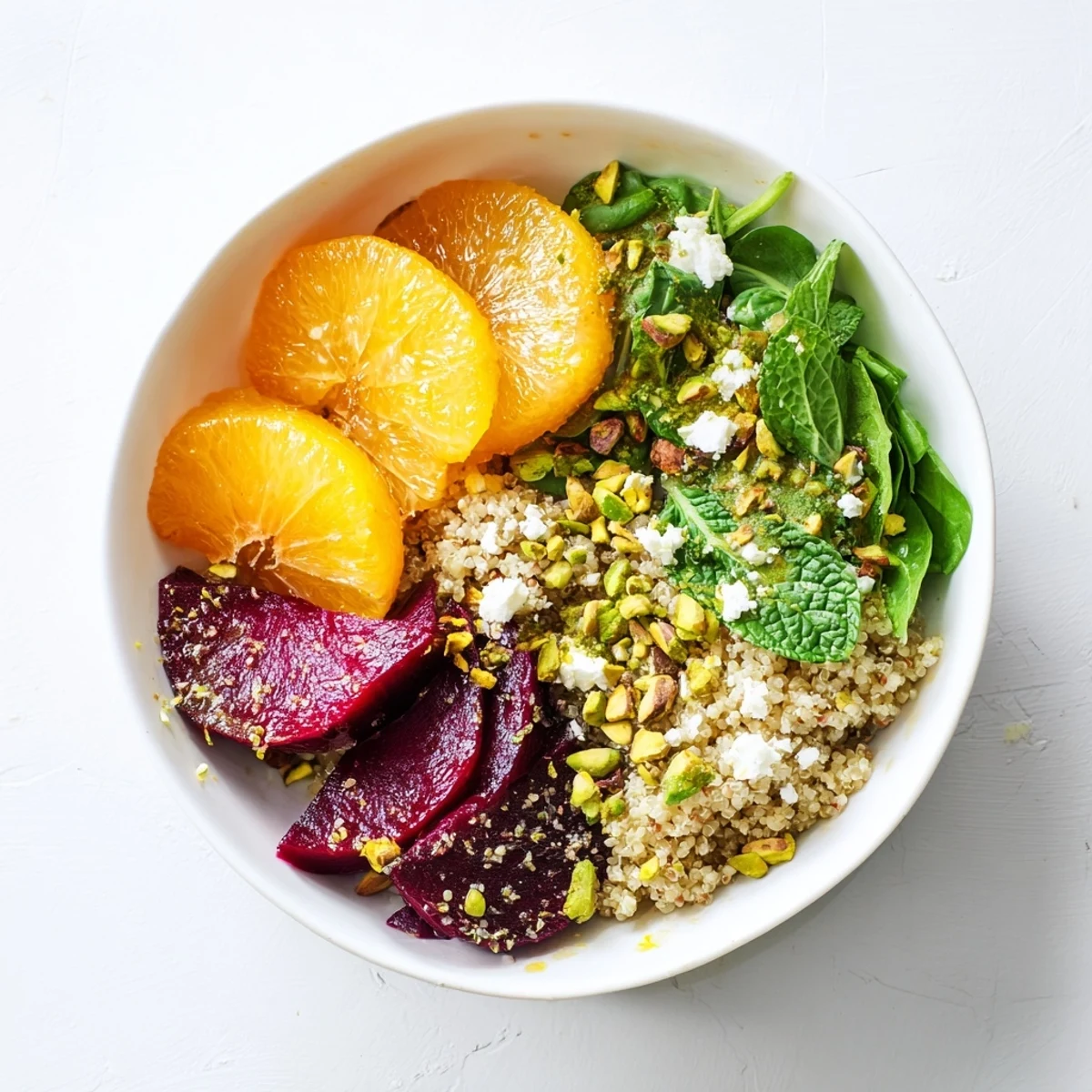
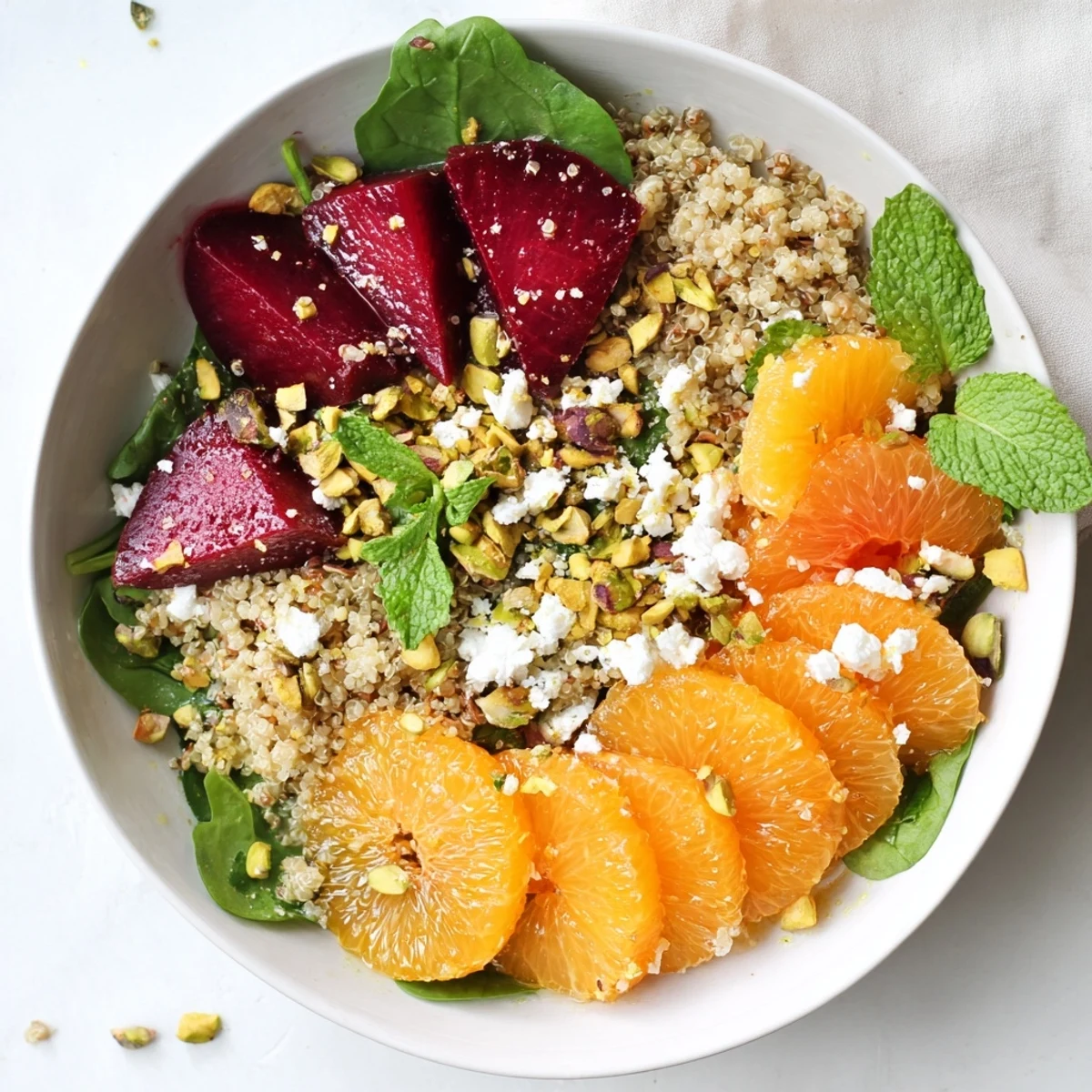
- Divide the cooked grains among four bowls. Arrange the roasted beets, citrus segments, and greens on top. Drizzle with that dressing you made earlier. Finish with torn mint leaves, chopped pistachios, and crumbled feta if you're using it. Serve right away while everything is still vibrant and fresh.
 Save
Save This bowl has become my contribution to every potluck now. There's something satisfying about watching skeptics reluctantly try it, then go back for seconds. The colors alone make people happy before they even take a bite.
Making This Your Own
I've served this with grilled chicken on days when I needed extra protein. Roasted chickpeas work beautifully too and add another layer of crunch. The beauty of this bowl is how forgiving it is with substitutions and additions.
Timing Everything Right
The beets and grains take the longest, so start those first. While they're cooking, you can prep the citrus and whisk together the dressing. This mise en place approach makes the actual assembly feel almost effortless instead of frantic.
Serving Suggestions
This bowl holds up well for lunch the next day, though I recommend packing the dressing separately and adding it just before eating. The flavors actually meld together beautifully overnight, making it an excellent meal prep option.
- Try adding sliced avocado for creaminess
- Pickled red onions add a nice tangy bite
- A crisp white wine like Sauvignon Blanc pairs perfectly
 Save
Save Hope this bowl brings as much color to your table as it has to mine. There's something almost meditative about arranging all those vibrant components into something both beautiful and nourishing.
Recipe FAQs
- → What grains work best in this dish?
-
Quinoa and farro both work beautifully in this grain bowl. Quinoa cooks faster (about 15 minutes) and creates a lighter texture, while farro offers a chewier, heartier result that takes about 30 minutes to cook. Both grains absorb the dressing well and pair nicely with the roasted beets and citrus.
- → Can I make this dish ahead of time?
-
Yes, you can prepare most components ahead. Roast the beets and cook the grains up to 3 days in advance. Store them separately in the refrigerator. The citrus segments can be prepared 1-2 days ahead. Assemble the bowls just before serving for the best texture and freshness.
- → What's the best way to segment citrus for this recipe?
-
Use a sharp knife to cut off the top and bottom of the fruit. Stand it on one end and slice downward, removing the peel and white pith. Then, hold the fruit over a bowl and carefully slice between the membranes to release the segments. Remove any seeds before adding to the bowl.
- → How can I add more protein to this grain bowl?
-
For extra protein, top the assembled bowls with grilled chicken, chickpeas, or tofu. You can also add a sprinkle of hemp seeds, pumpkin seeds, or sunflower seeds for a plant-based protein boost.
- → What dressing variations work well with this dish?
-
The Dijon vinaigrette pairs perfectly, but you can also try a tahini-lemon dressing, a balsamic reduction, or a simple olive oil and vinegar combination. For a creamier option, mix Greek yogurt with lemon juice and herbs.