
 Save
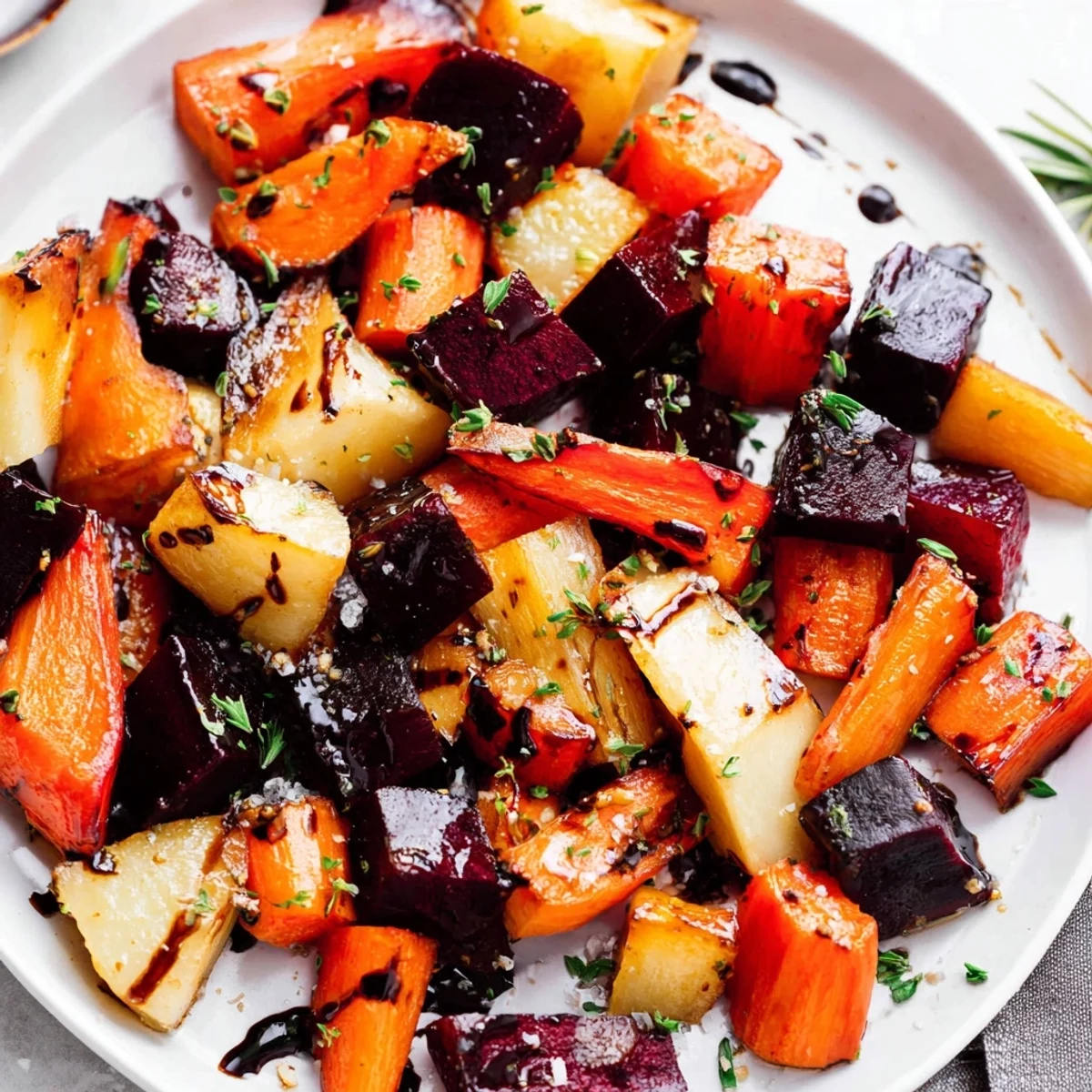
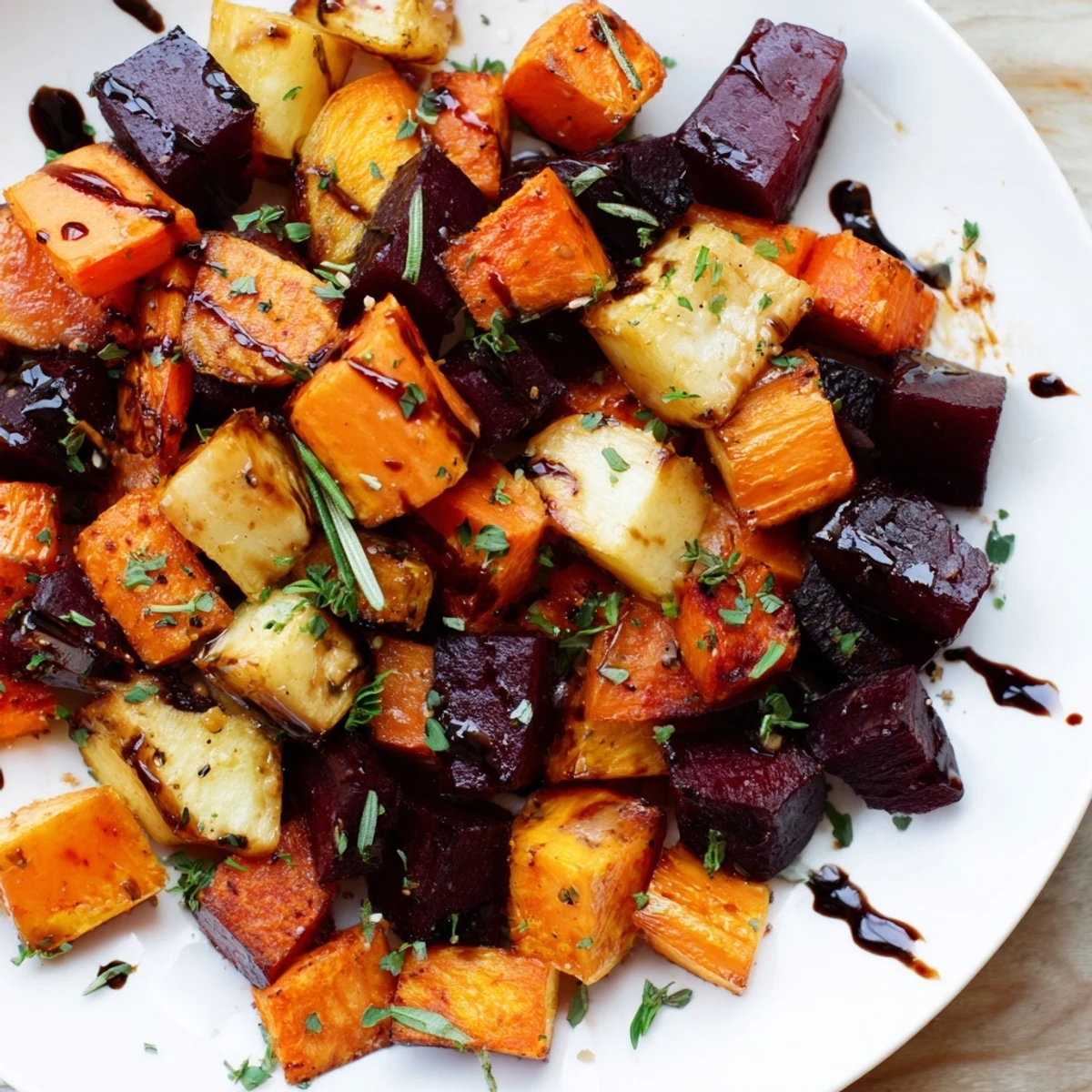
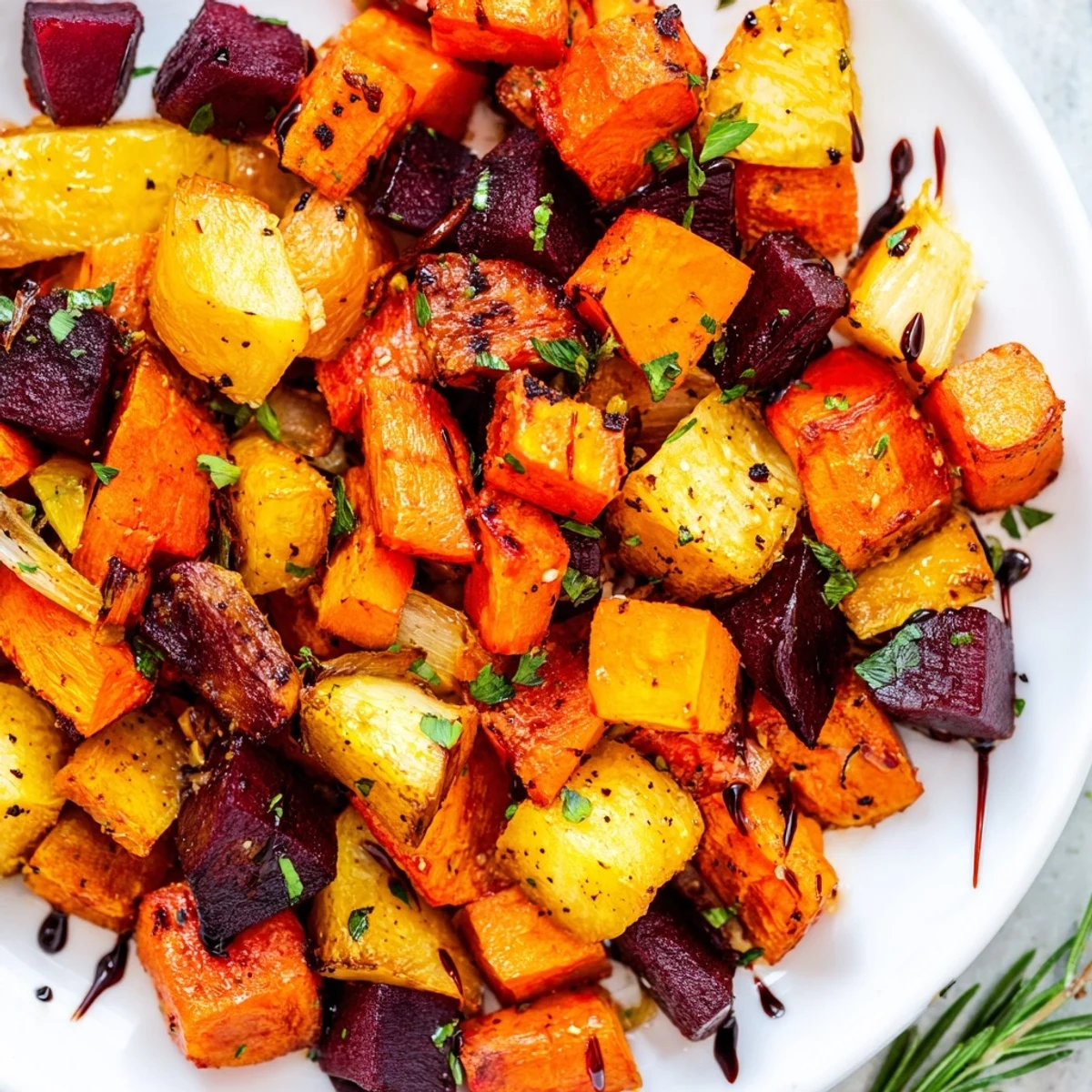
Save This dish features a blend of carrots, parsnips, sweet potatoes, and beets, all tossed in olive oil, garlic, rosemary, and thyme. The vegetables are roasted until tender and golden, delivering a perfect balance of earthy sweetness and herbaceous notes. A drizzle of balsamic glaze and fresh parsley adds a subtle tang and freshness. Ideal as a side, it's naturally gluten-free and vegetarian, celebrating simple, robust flavors.
There's something about the smell of root vegetables hitting a hot pan that instantly makes me feel like I'm cooking with purpose. I discovered this roasted roots dish on a crisp autumn afternoon when I had a drawer full of vegetables that needed rescuing and absolutely no plan. The way they turned golden and caramelized in the oven felt like magic, and suddenly I had a side dish that outshone the main event. Now it's become my go-to when I want something that tastes homemade and honest, without fussing.
I made this for a small dinner party where everyone was expecting something fancier, and the way people went back for seconds of roasted vegetables told me everything I needed to know. Someone asked if I'd added cream, and when I said no, just olive oil and herbs, they looked genuinely surprised. That moment sealed it for me—this dish has a quiet confidence that doesn't need to announce itself.
Ingredients
- Carrots: Choose ones that feel firm and unblemished; they sweeten beautifully when roasted and become almost creamy in texture.
- Parsnips: These add an earthy, subtle sweetness that plays perfectly against the garlic and herbs, and they crisp up at the edges like nobody's business.
- Sweet potato: This is your wild card for creaminess and natural sugar; don't skip it even if you think you're not a sweet potato person.
- Beets: They bleed color into everything if you're not careful, but that's part of their charm and their nutritional power.
- Olive oil: Use something you actually like drinking; it's one of only a few players here, so it matters.
- Garlic: Mince it fine so it gets crispy and sweet rather than burnt and bitter; this is where people often slip up.
- Fresh rosemary and thyme: If you have access to fresh herbs, they make a world of difference; dried works in a pinch, but the flavor is more muted and deserves a lighter hand.
- Sea salt and black pepper: Toast your pepper if you have time—it wakes everything up.
Instructions
- Heat your oven and prep your stage:
- Get the oven to 425°F and line your baking sheet with parchment paper so nothing sticks and cleanup feels effortless. A hot oven is going to caramelize these vegetables, not steam them, so don't skimp on the temperature.
- Gather and cut your vegetables:
- Peel everything while the oven heats up, then cut into roughly 1-inch pieces—consistency matters here because you want everything to finish at the same time. This is meditative work if you let it be.
- Build flavor in a bowl:
- Toss all the vegetables with olive oil first so they're slick, then add your garlic, herbs, salt, and pepper and turn everything over a few times until it looks evenly dressed. Taste the raw garlic if you're brave; it should smell sharp and promising, not burnt.
- Spread and roast:
- Lay everything out in a single layer on your baking sheet and don't overcrowd it; cramped vegetables steam instead of roast. Set a timer for 20 minutes, then give everything a good stir and let it go for another 15-20 minutes until the edges are dark gold and a fork goes through the soft parts easily.
- Finish and serve:
- Pull it from the oven, taste a piece of each vegetable to make sure you're happy, then add parsley and a drizzle of balsamic if you're in that mood. It's beautiful warm, room temperature, or even cold the next day in a grain bowl.
 Save
Save What hit me hardest about this dish was watching my eight-year-old nephew actually ask for more beets, which felt like a small victory in itself. There's something grounding about feeding people vegetables that taste like themselves, amplified and honored by heat and time. It reminded me that simple food, made with intention, is what people actually remember.
Why Root Vegetables Are Your Secret Weapon
Root vegetables are the unsung heroes of the kitchen because they're patient, affordable, and naturally sweet without being cloying. They sit in your pantry for weeks without complaint and deliver reliable, satisfying results every single time. Once you understand how they transform under heat, you'll find yourself reaching for them constantly, in soups, grain bowls, and roasted platters that feel restaurant-quality but come together in your own home.
The Art of Seasoning as You Go
I learned the hard way that seasoning everything at the end never works as well as building flavor from the start. When your salt and herbs go on before roasting, they have time to get to know the vegetables instead of just sitting on top like an afterthought. The roasting process deepens and melds everything together, creating layers you simply can't achieve if you wait until the end.
Variations and Extensions
This is a flexible blueprint, not a rigid formula, so swap in whatever roots call to you—turnips, rutabagas, parsnips, even regular potatoes all belong here. I've added cubed butternut squash when I had it, and once threw in some radishes just to see what would happen, and they crisped up like tiny jewels. Toss in fresh thyme, oregano, or even cumin if you want to take it somewhere else entirely.
- Try roasting at 400°F convection if your oven has it, for extra crispness on the edges without drying the centers.
- A pinch of sumac or za'atar before serving lifts everything into a different flavor dimension.
- Leftovers are perfect tucked into a grain bowl or eaten straight from the fridge as a snack the next day.
 Save
Save This dish has quietly become my answer to almost everything—a busy weeknight, a potluck, a reason to taste what real food actually tastes like. Make it once and you'll understand why it keeps finding its way back to my table.
Recipe FAQs
- → What vegetables are used in this dish?
-
Carrots, parsnips, sweet potatoes, and beets form the base of this roasted medley.
- → How long should the vegetables be roasted?
-
Roast the vegetables for 35-40 minutes at 425°F, stirring halfway to ensure even cooking.
- → Can additional root vegetables be included?
-
Yes, turnips or rutabagas can be swapped in or added for variety.
- → What herbs are used for seasoning?
-
Fresh or dried rosemary and thyme impart aromatic flavor alongside garlic.
- → Is there an optional finishing touch to enhance flavor?
-
A drizzle of balsamic glaze and a sprinkle of fresh parsley brighten the dish before serving.
- → Are there any allergen concerns?
-
The dish is free from gluten, dairy, nuts, soy, and eggs but always check ingredients for cross-contamination.