
 Save
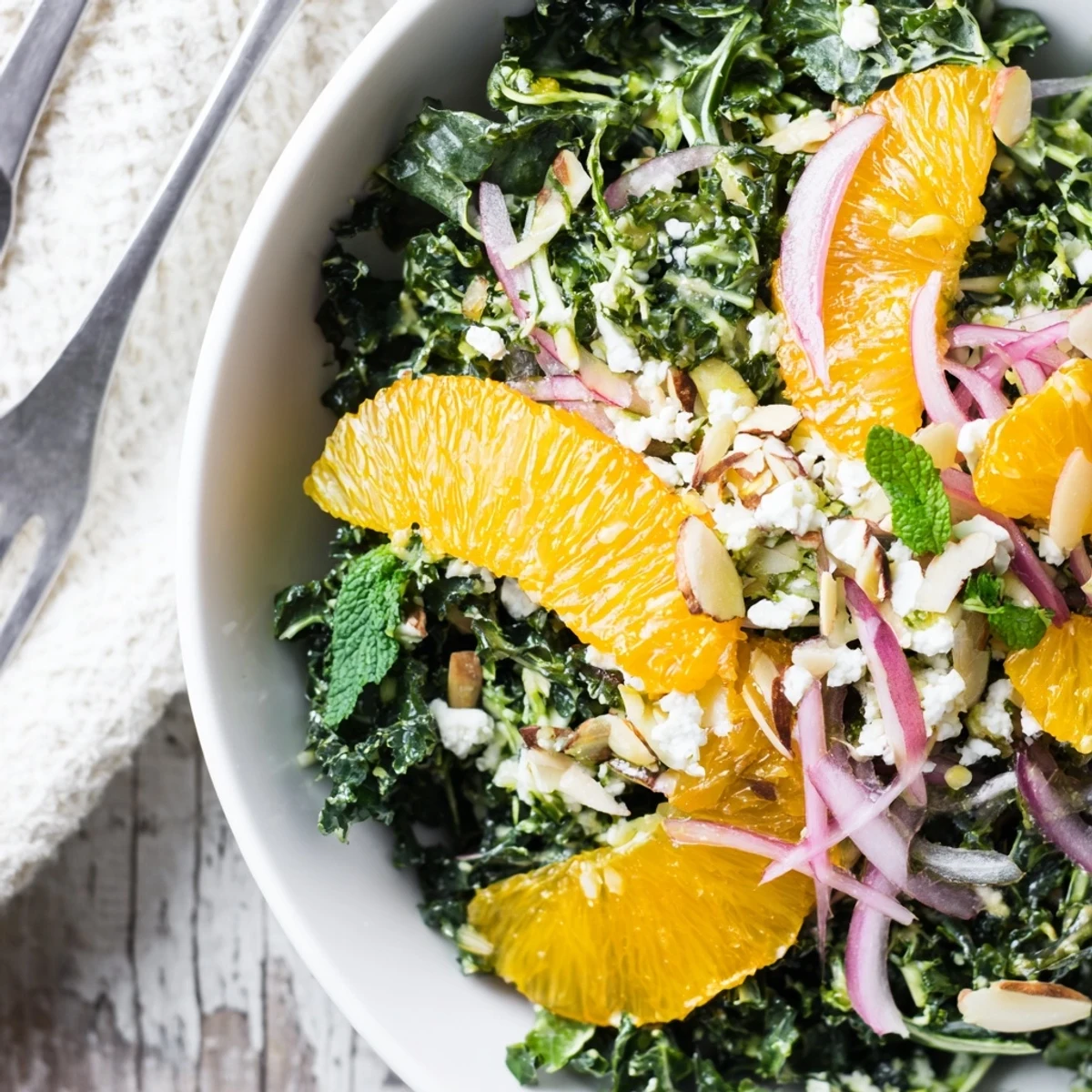
Save Massage shredded lacinato kale with a splash of olive oil and a pinch of salt until leaves soften. Combine with orange segments, thinly sliced red onion, toasted almonds and torn mint; add crumbled feta for richness if desired. Whisk olive oil, fresh orange and lemon juices, honey and Dijon into a bright citrus dressing, drizzle over, toss gently, and serve immediately or let sit 10 minutes to meld flavors.
There’s something a little exhilarating about starting lunch with a burst of color, and this kale orange almond salad always delivers in that department. One spring, after a messy raid of my local farmers market, I found myself with more lacinato kale and oranges than I could politely gift away. That same afternoon, the kitchen filled with the sharp scent of citrus as I started tearing mint leaves and toasting almonds, and the salad came together in a whirl of green and gold. Every bite tasted like sunshine was finally settling in for the season.
I remember laughing as I handed a bowl of this salad to my friend Robin, who once flat-out refused to eat kale. The mix of the juicy orange and toasty almonds won her over, but it was the way the feta melted just a little into the warm kale that convinced her to ask for seconds. Watching that surprised grin spread over her face is still one of my favorite kitchen victories. Sometimes, a new recipe brings a whole table together.
Ingredients
- Lacinato (Tuscan) kale: Shred it thinly and massage well to make the leaves supremely tender—the secret to a salad that doesn’t feel like chewing hay.
- Oranges: Slice into cheerful segments; switching in blood oranges or grapefruit will wake up even a routine weeknight.
- Red onion: Go for paper-thin slices so you get sharpness without overpowering bites.
- Sliced almonds: Toast these gently in a pan for a deep, nutty crunch—watch closely as they can burn in a blink.
- Feta cheese (optional): Adds creamy saltiness, but you can swap for plant-based or skip for a vegan vibe.
- Fresh mint leaves: Tear just before serving for that bonus whiff of fresh, green aroma.
- Extra-virgin olive oil: Acts as the silky base for your zesty dressing.
- Freshly squeezed orange juice: Sweet and tart, it ties all the salad notes together like magic.
- Lemon juice: Just a squeeze gives an extra edge of brightness; don’t skip it.
- Honey or maple syrup: Just enough to smooth out the acidity—a little goes an impressively long way.
- Dijon mustard: It’s the secret chef’s handshake for a dressing with body and punch.
- Sea salt and black pepper: Essential for bringing everything into delicious balance.
Instructions
- Prep the kale:
- Stack the leaves, remove the stems, and slice as thinly as you can. Drizzle that teaspoon of olive oil and a dash of salt over, then massage with your hands until the kale softens and darkens to a rich green.
- Assemble the salad:
- Add the orange segments, onion ribbons, toasted almonds, feta (if you’re using it), and torn mint on top of the massaged kale. Let the colors pile up—it should look like spring exploded in your salad bowl.
- Whisk up the citrus dressing:
- Grab a small jar or bowl to combine the olive oil, orange juice, lemon juice, honey (or maple), Dijon, sea salt, and pepper. Whisk or shake until fully blended and you see the dressing turn slightly opaque.
- Toss it all together:
- Pour the dressing over the salad and gently toss with your hands or tongs. Make sure every bite gets coated but don’t crush those orange segments.
- Taste and serve:
- Give the salad a taste and adjust salt or pepper if needed. You can serve this right away or let it sit for 10 minutes to let the flavors mingle even more.
 Save
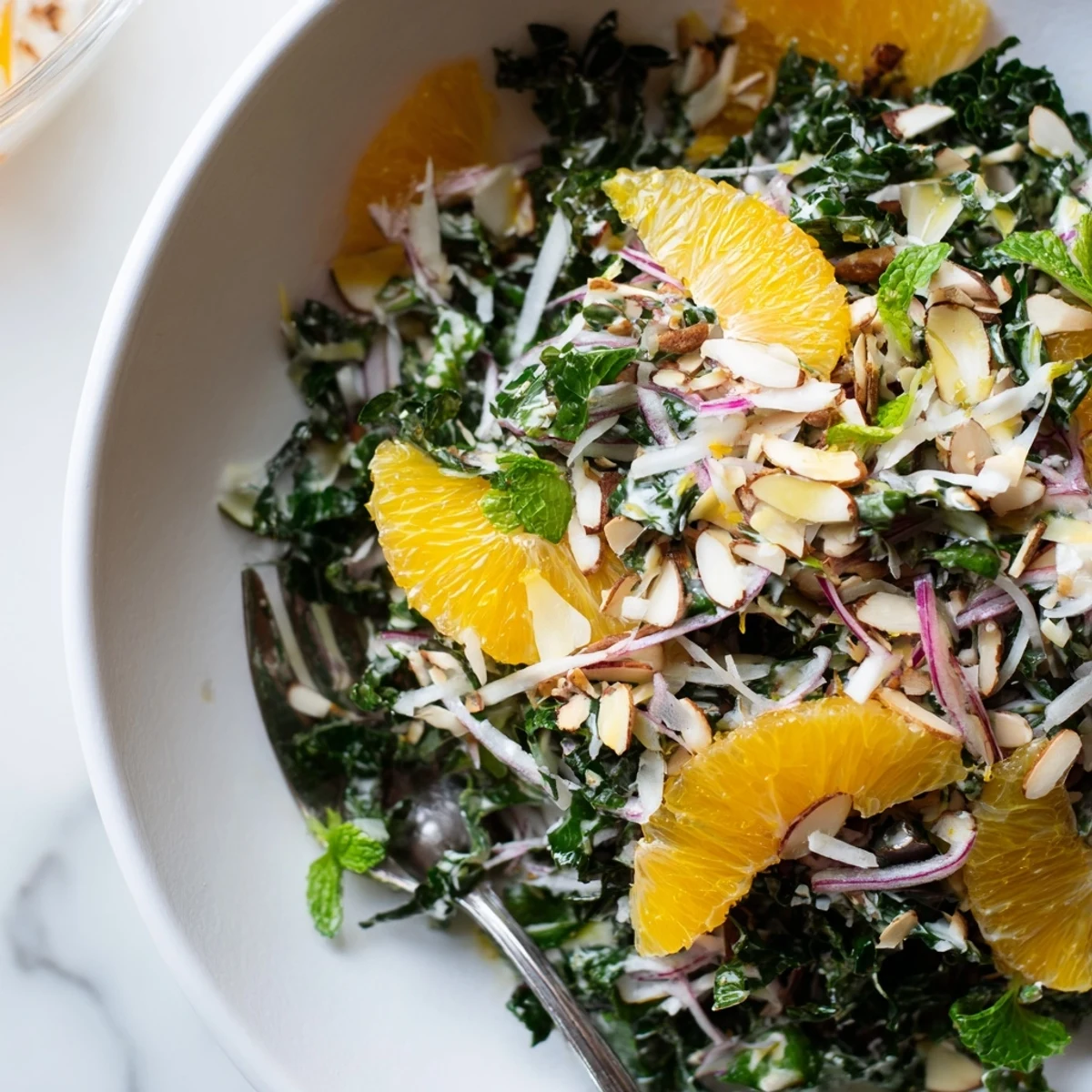
Save Once, during a backyard lunch, my curious neighbor peeked over and asked what made the salad so glossy. It was the citrus-dijon dressing, clinging to the kale and pooling at the bottom of the bowl for that final, coveted scoop. Something about sharing that tip felt like passing on a well-kept secret. That day, this salad turned a regular afternoon into a mini celebration.
How Massaging Kale Makes the Difference
The first time I rubbed olive oil into raw kale I worried I was doing it wrong, but the color deepened and the leaves turned silky soft right beneath my fingers. That small hands-on step transforms what could be a bland, fibrous base into something nearly decadent. I always encourage first-timers to feel the leaves change texture—it’s oddly satisfying. Plus, no more jaw workout needed for every bite.
Ways to Make It Your Own
Every time I make this, there’s a new twist depending on what’s around—blood orange when I can find it, shavings of Parmesan instead of feta, sometimes even roasted chickpeas for crunch. Don’t hesitate to swap in grapefruit, add avocado, or sprinkle in pomegranate seeds if you’ve got them hiding in the fridge. This salad refuses to be boring and is always ready to try on a new outfit. Trust your cravings and the contents of your produce drawer.
Serving and Storage Wisdom
I’ve learned this salad keeps surprisingly well—just store the dressing separately if you’re prepping ahead. Leftovers make an excellent base for a grain bowl the next day, maybe with some quinoa or leftover roast chicken mixed in. Even after a night in the fridge, the flavors seem to deepen.
- Add a sprinkle of fresh mint just before serving.
- Reserve a little dressing to drizzle at the table.
- If making ahead, save the almonds until the last minute for maximum crunch.
 Save
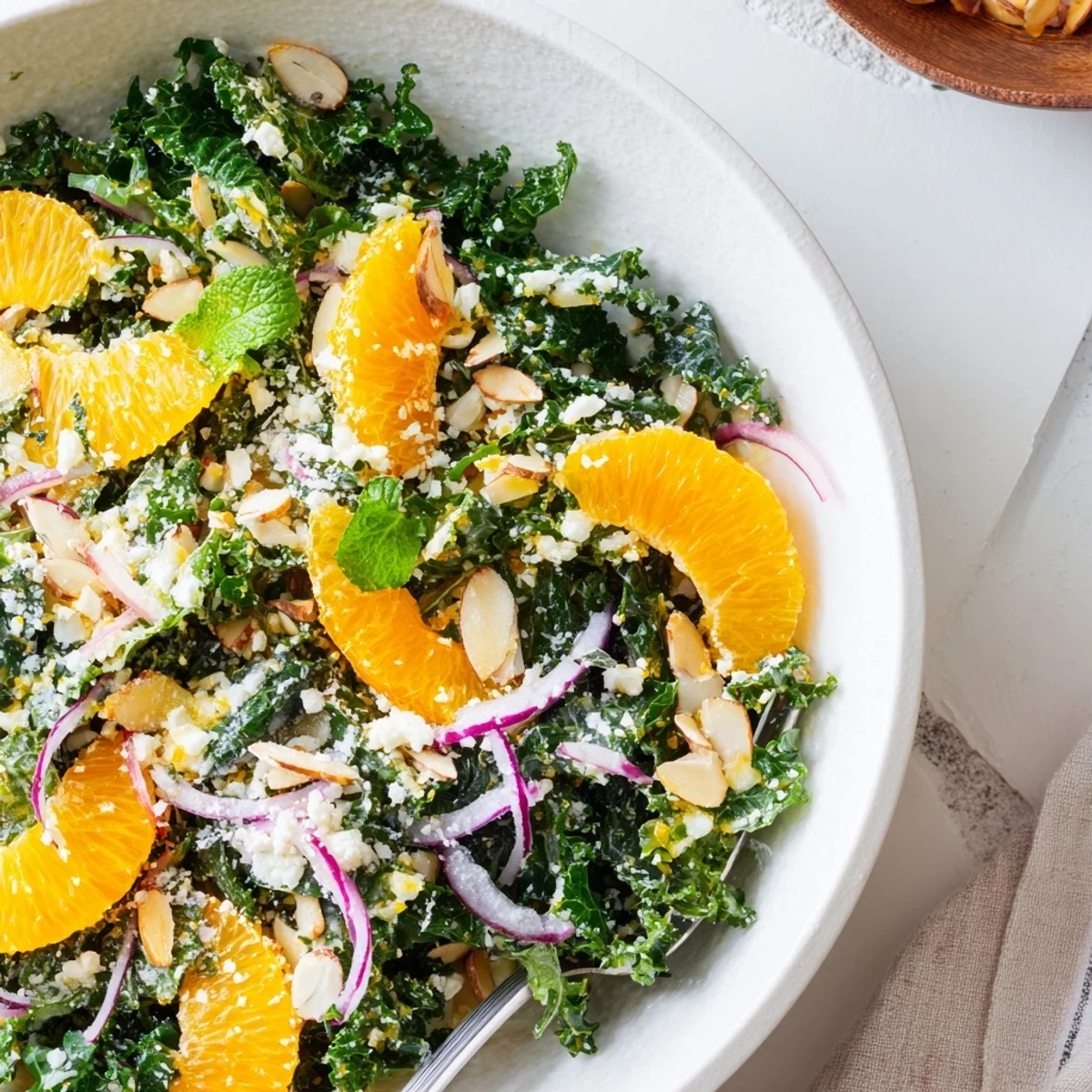
Save This salad always surprises with how much flavor and cheer it brings to any table. Hope it becomes your own go-to quick fix for brightening up lunch or soothing a gray day.
Recipe FAQs
- → How do I soften shaved kale quickly?
-
Massage the shredded lacinato kale with a little olive oil and a pinch of salt for 1–2 minutes. The oil and salt break down the fibers, making the leaves tender and less bitter while preserving texture.
- → Can I swap the almonds for something else?
-
Yes. Toasted walnuts, pecans or pistachios add similar crunch and depth. For a nut-free option, use toasted pumpkin or sunflower seeds; toast over medium heat until fragrant to boost flavor.
- → What's the best way to segment oranges cleanly?
-
Use a sharp knife to remove the peel and pith, then cut between the membranes to release each segment. Do this over a bowl to catch juices for the dressing if you like extra citrus brightness.
- → How long will the citrus dressing keep?
-
Store the dressing in an airtight container in the refrigerator for up to 3 days. Re-emulsify by shaking or whisking before using. If the dressing contains dairy, use it within 24–48 hours.
- → How can I make this dairy-free or vegan?
-
Omit the feta or replace it with a plant-based crumble or toasted seeds for creaminess. Swap honey for maple syrup in the dressing to keep it fully vegan.
- → What proteins pair well with these flavors?
-
Grilled chicken, pan-seared salmon, or a scoop of chickpeas work nicely. For a lighter plate, add white beans or persistent legumes that complement the citrus and crunchy almonds.