
 Save
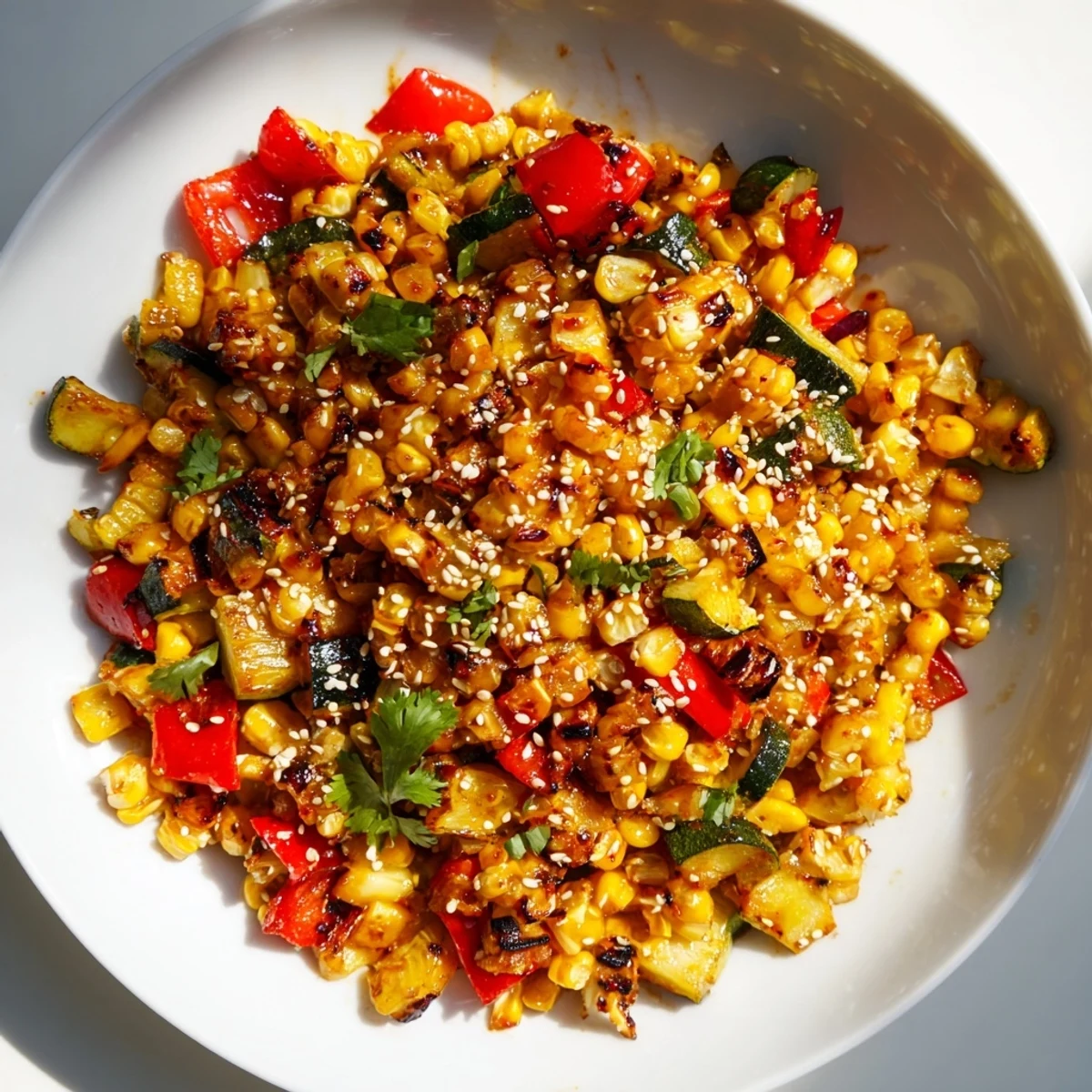
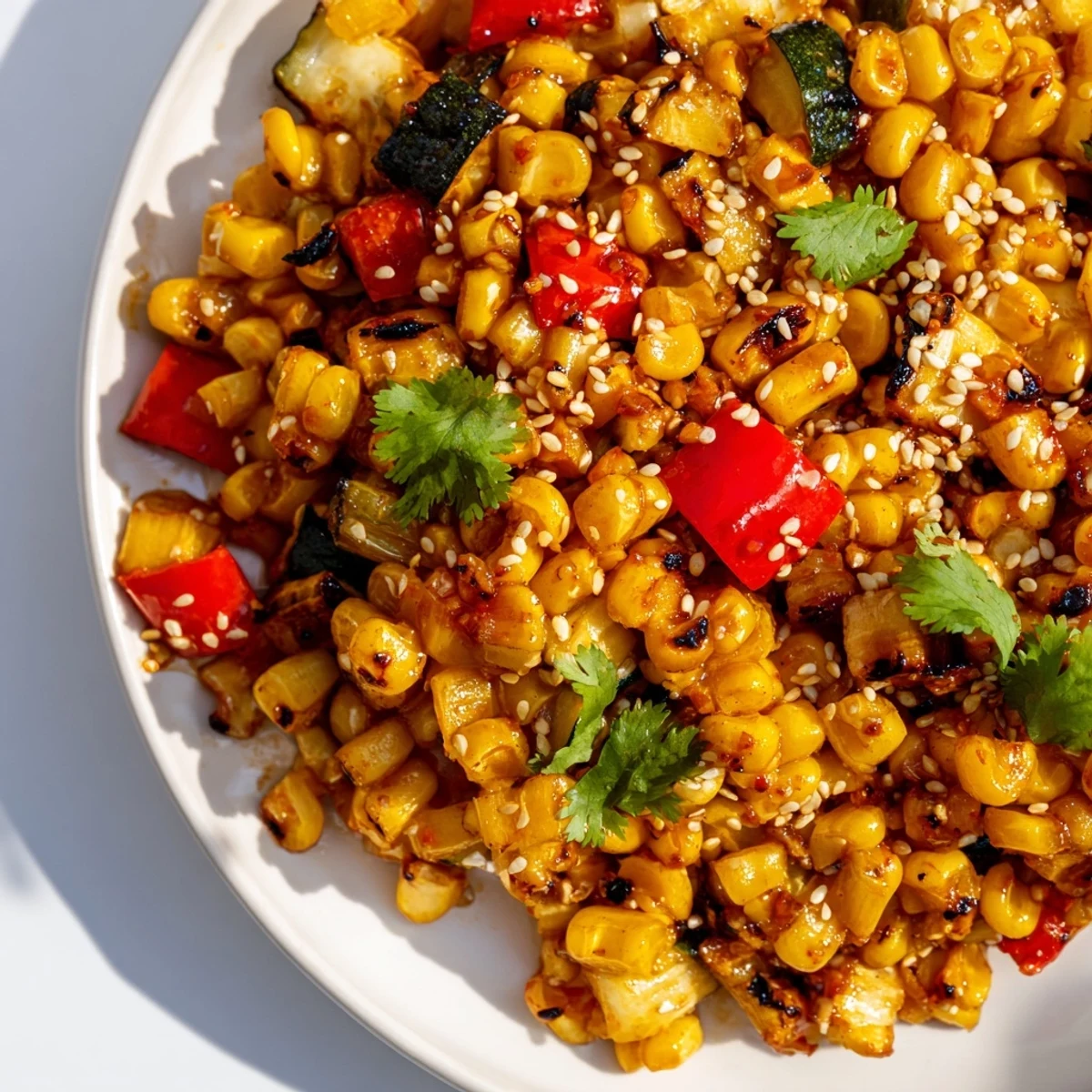
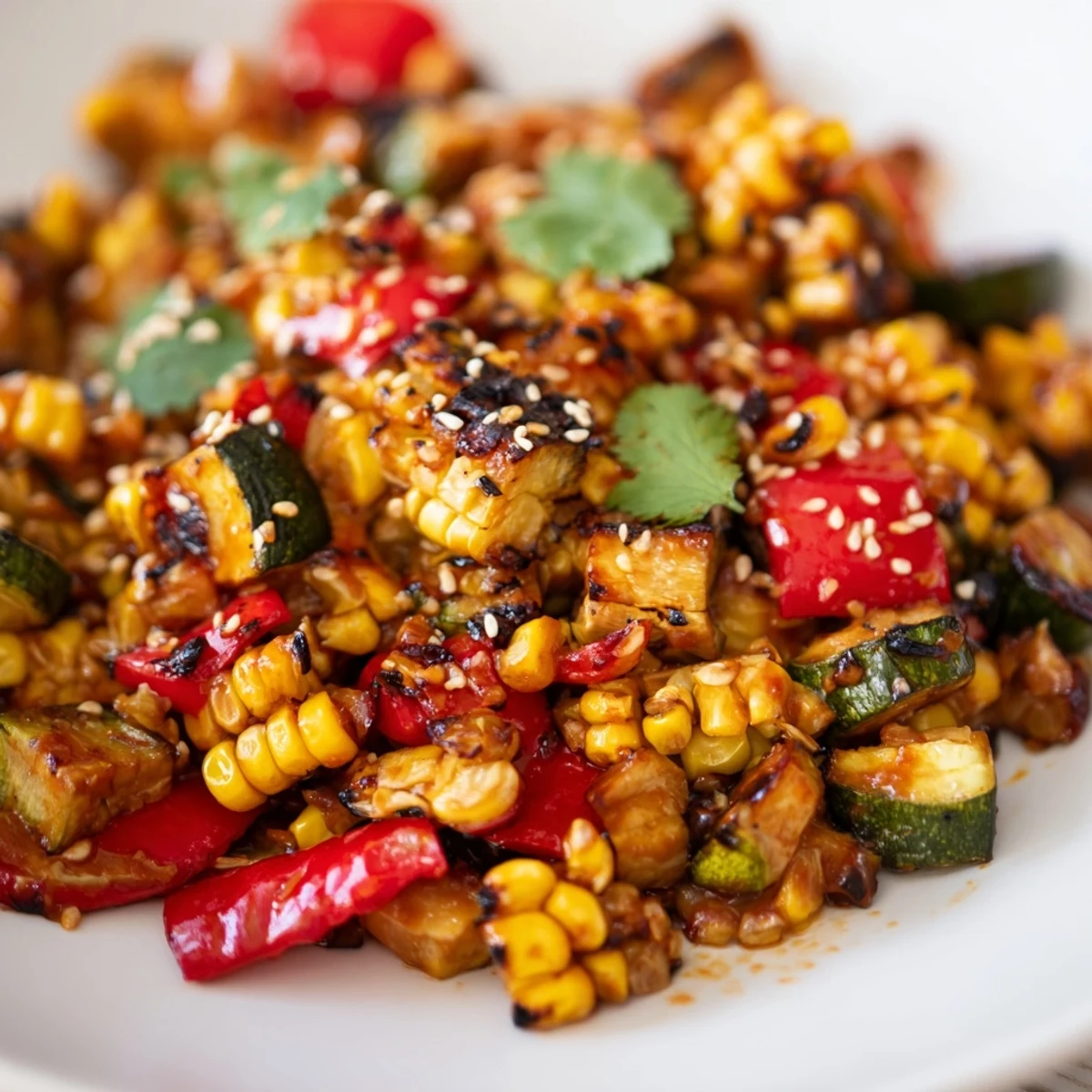
Save This Korean-inspired veggie bowl combines naturally sweet corn kernels roasted to caramelized perfection with a bold gochujang glaze. The spicy, savory coating enhances the corn's natural sweetness while creating a beautiful golden char.
Each bowl features a colorful array of fresh vegetables—crisp purple cabbage, shredded carrots, diced bell peppers, and tender zucchini—layered over nutty brown rice or protein-rich quinoa. Creamy avocado slices add richness, while the warm roasted corn mixture ties everything together with its spicy-sweet profile.
The homemade gochujang sauce delivers authentic Korean flavors with minimal effort, using pantry staples like soy sauce, sesame oil, honey, and fresh aromatics. Finished with bright scallions, toasted sesame seeds, and optional fresh herbs, this bowl offers perfect balance between heat, sweetness, and freshness.
Last Tuesday I found myself staring at a forgotten jar of gochujang in the back of my fridge, that deep red paste staring back like a challenge. I'd bought it months ago for a recipe I never made, and something about the sweet corn sitting on my counter sparked an idea. Twenty minutes later my kitchen smelled like caramelized corn and warm spices, and I knew I was onto something special.
My sister came over unexpectedly that first night I made this, eyeing the colorful bowls suspiciously until she took her first bite. She's not usually one for spicy food, but she finished hers before I'd even sat down, asking if I had enough corn left for a second batch. Now she texts me every Tuesday asking if it's bowl night.
Ingredients
- 3 cups fresh or frozen sweet corn kernels: Fresh corn gives you those lovely charred bits, but frozen works perfectly when sweet corn isn't in season
- 1 medium red bell pepper, diced: The sweetness balances the heat and adds such beautiful color to the final bowl
- 1 medium zucchini, diced: Don't cut the pieces too small or they'll disappear during roasting
- 1 cup shredded carrots: I use a box grater for this, much faster than julienning by hand
- 2 cups cooked brown rice or quinoa: Make extra whenever you cook grains, then you're halfway to dinner all week
- 1 cup shredded purple cabbage: Adds this gorgeous crunch and stays fresh even after sitting in the bowl
- 4 scallions, thinly sliced: Keep the whites separate from the greens, they bring different kinds of sharpness
- 1 avocado, sliced: The creaminess cools down the spice and makes everything feel luxurious
- 2 tablespoons gochujang: This Korean chili paste is the soul of the whole dish, worth seeking out
- 1 tablespoon soy sauce or tamari: Adds that deep umami base that makes you want to keep eating
- 1 tablespoon toasted sesame oil: Use the toasted kind, not regular sesame oil, it makes all the difference
- 1 tablespoon honey or maple syrup: Just enough to tame the heat and help the vegetables caramelize
- 1 tablespoon rice vinegar: Cuts through the richness and brightens everything up
- 1 teaspoon grated fresh ginger: Grate it right into the bowl, no need to peel it perfectly first
- 1 clove garlic, minced: Mince this finely so you don't bite into big raw garlic chunks
- 1 tablespoon toasted sesame seeds: Toast them in a dry pan for just 2 minutes, the aroma is incredible
Instructions
- Get your oven ready:
- Preheat to 425°F and line a baking sheet with parchment paper, trust me, you'll thank yourself later
- Whisk up that magic sauce:
- In a large bowl, combine gochujang, soy sauce, sesame oil, honey, rice vinegar, ginger, and garlic until smooth
- Coat the vegetables:
- Add corn, bell pepper, and zucchini to the bowl and toss until every piece is glossy with sauce
- Roast until golden:
- Spread vegetables in a single layer and roast for 20 to 25 minutes, stirring halfway, until you see caramelized edges
- Build your base bowls:
- Divide the cooked rice or quinoa among four bowls, then arrange carrots, cabbage, and avocado on top
- Bring it all together:
- Spoon that hot roasted corn mixture right over the vegetables, let the warmth soften the cabbage slightly
- Finish with flair:
- Sprinkle scallion greens, sesame seeds, and maybe some cilantro if you remembered to buy it
 Save
Save This recipe saved me during those exhausting weeks when cooking felt like a chore but takeout wasn't the answer. Something about piling all those colors into a bowl makes even a Tuesday night feel special, like you're treating yourself without really trying.
Making It Your Own
I've discovered that roasted broccoli or sweet potatoes work beautifully in place of zucchini, and edamame adds this lovely protein boost. The beauty is that as long as you keep that gochujang sauce situation happening, almost any vegetable becomes bowl worthy.
The Rice Situation
Sometimes I make a big batch of jasmine rice instead of brown rice because something about the fragrant fluffy rice against the spicy corn just hits different. Or cauliflower rice if I'm feeling particularly virtuous, though honestly, I'd rather just eat less of the real thing.
Sauce Adjustments
Start with less gochujang if you're unsure about spice levels, you can always add more. I once accidentally used double the called for amount and my husband couldn't stop sweating but kept eating anyway, which I'm counting as a success.
- Extra protein turns this from side dish to proper meal, try pan fried tofu or a soft poached egg
- The leftovers actually taste better the next day when all those flavors have time to become friends
- If you want to prep ahead, cut all your vegetables the night before and store them in separate containers
 Save
Save I hope this brings some color and warmth to your table, exactly as it has to mine so many nights now.
Recipe FAQs
- → What does gochujang taste like?
-
Gochujang is a Korean fermented chili paste with a complex flavor profile combining sweet, savory, and spicy elements. It has a deep umami richness from fermentation, moderate heat that builds gradually, and a subtle sweetness from glutinous rice. The paste adds depth and a beautiful red color to any dish.
- → Can I make this bowl ahead of time?
-
Yes, you can prep components in advance. The roasted vegetables keep well for 3-4 days in the refrigerator. Store the sauce separately and reheat vegetables before serving. The fresh vegetables like cabbage and carrots can be shredded ahead, but add avocado slices just before serving to prevent browning.
- → Is gochujang gluten-free?
-
Traditional gochujang contains fermented soybeans and glutinous rice, which is naturally gluten-free. However, some commercial brands add wheat or barley during production. Look for certified gluten-free gochujang or tamari to ensure the dish remains gluten-free.
- → How can I add more protein to this bowl?
-
Several options work well with these flavors. Pan-fried tofu cubes absorb the spicy sauce beautifully. A poached or soft-boiled egg adds richness and protein. Edamame, chickpeas, or grilled tempeh also complement the Korean-inspired profile while keeping the dish vegetarian-friendly.
- → Can I adjust the spice level?
-
Absolutely. Start with 1 tablespoon of gochujang for milder heat, or increase to 3 tablespoons for more spice. The honey in the sauce helps balance the heat, so you may want to reduce it slightly if decreasing gochujang. Always taste and adjust before roasting the vegetables.
- → What grains work best in this bowl?
-
Brown rice provides nutty flavor and satisfying chew. Quinoa adds extra protein and lighter texture. For low-carb options, try cauliflower rice, rice noodles, or serve over mixed greens. Sorghum and farro also work well if you enjoy heartier ancient grains.