
 Save
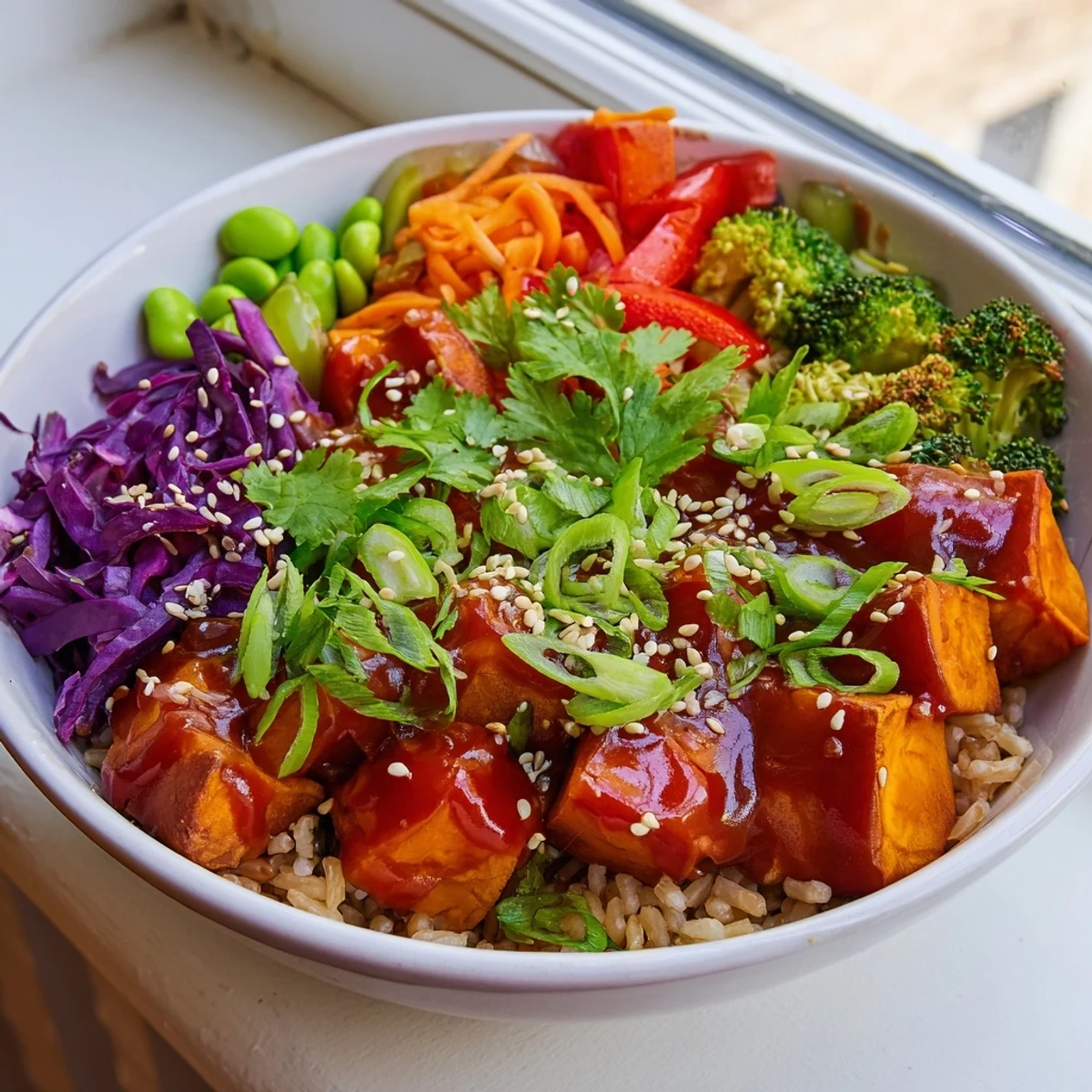
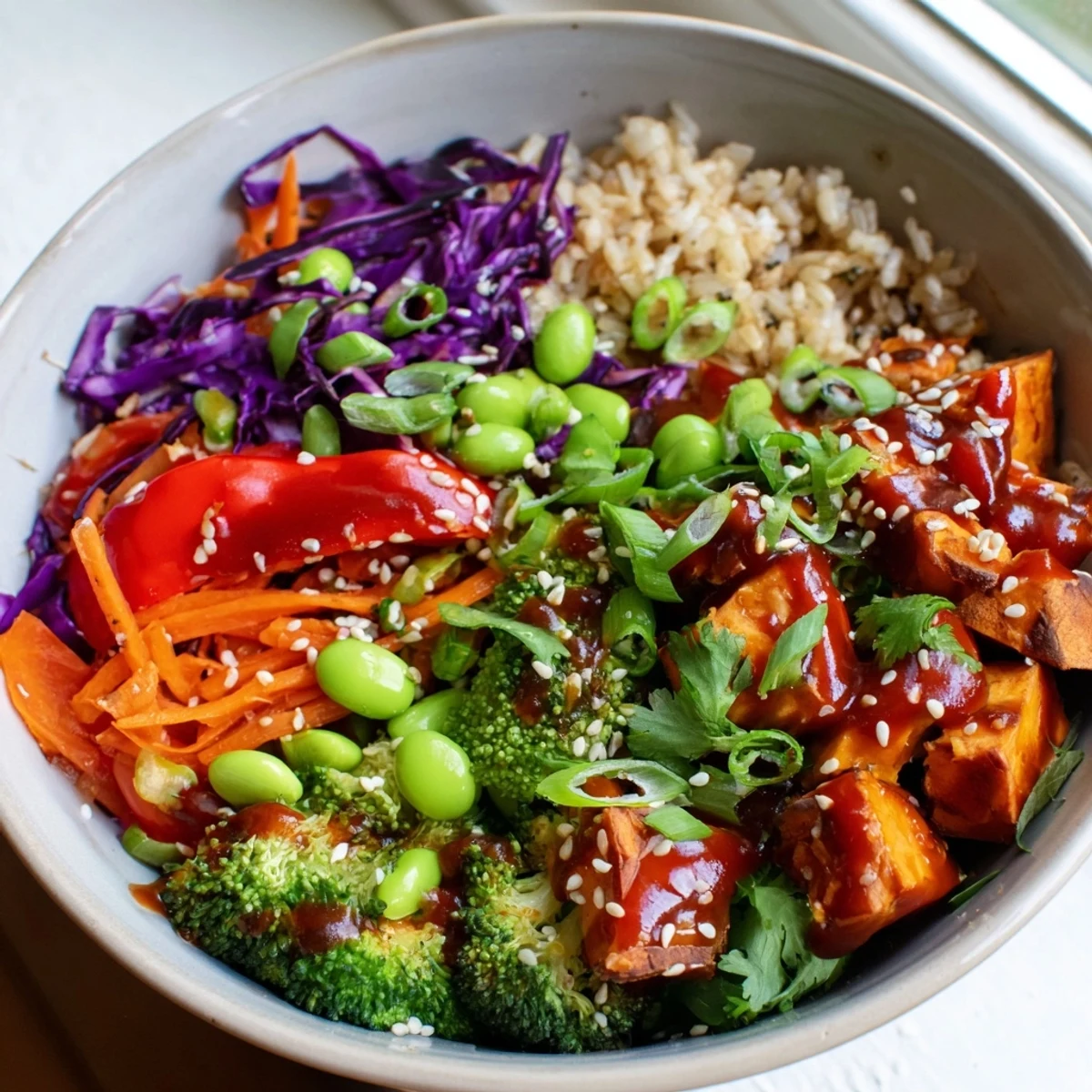
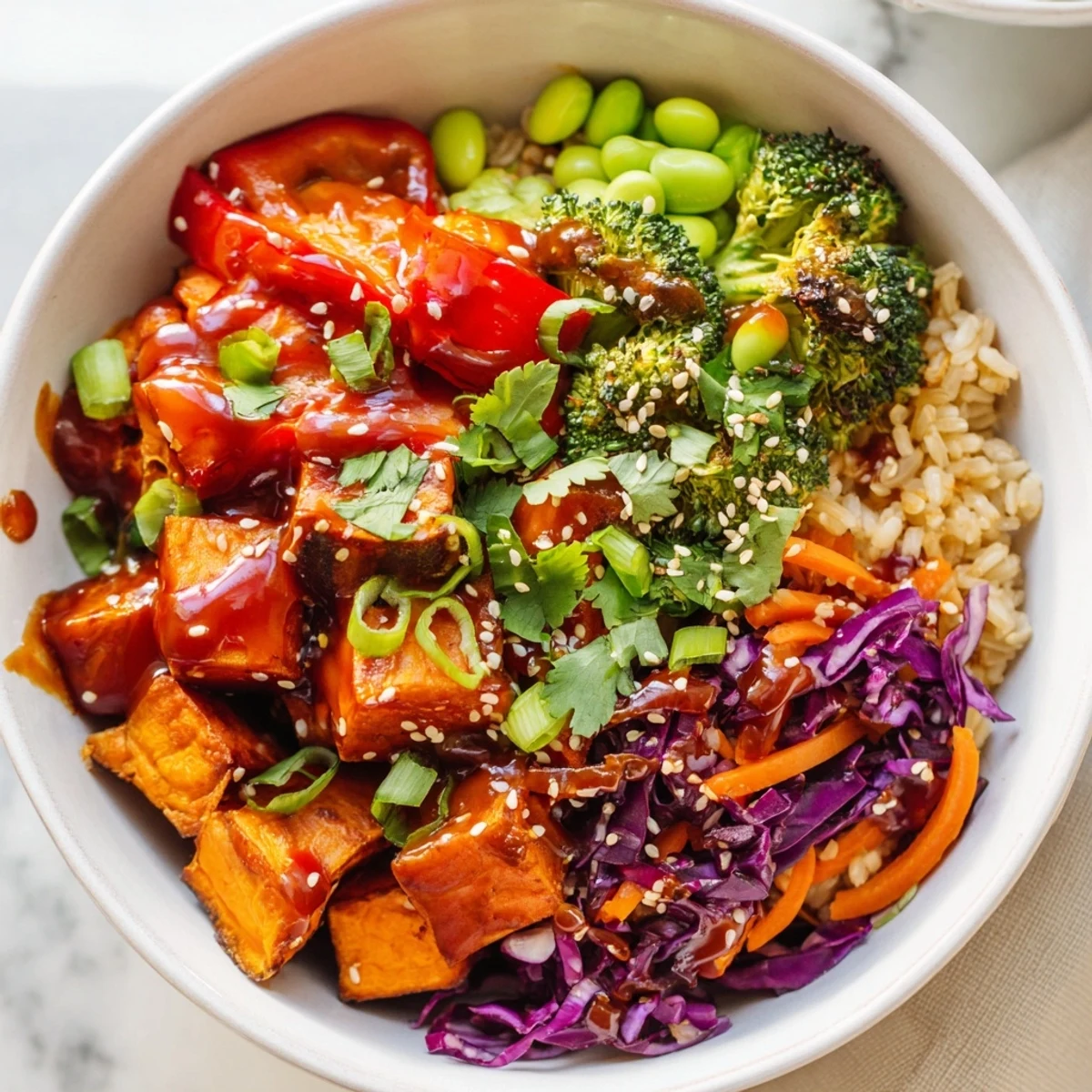
Save This Korean-inspired veggie bowl brings together perfectly roasted sweet potatoes, bell peppers, and broccoli crisp-tender from the oven. Fresh cabbage and carrots add crunch, while edamame and hearty brown rice or quinoa make it filling. The star is the homemade gochujang sauce—a balanced blend of Korean chili paste, soy sauce, rice vinegar, and a touch of maple sweetness. Toasted sesame seeds, green onions, and fresh herbs finish each bowl. Double-batch the sauce for meal prep, and swap in whatever vegetables you have on hand.
The first time gochujang entered my kitchen, I squeezed that red tube into everything from scrambled eggs to stir-fry for a solid week. This roasted sweet potato bowl came together on a Tuesday night when the crisper drawer was overflowing and I needed something that felt like a hug but also packed a serious punch. Now it is the bowl I make when friends come over and claim they do not like vegetarian food.
Last summer my sister visited and declared she could never feel satisfied by a bowl of vegetables. I served this for dinner without announcing it was vegan and she went back for seconds, then asked if I could pack the leftovers for her flight home. Something about that sweet heat combo just makes people forget they are eating something so wholesome.
Ingredients
- 2 large sweet potatoes: Peel and cube them into even one-inch pieces so they roast at the same speed
- 1 red bell pepper: Slice into thick strips that will char slightly in the high heat
- 1 cup broccoli florets: Cut them into bite-sized pieces that will get tender-crisp edges
- 1 cup shredded purple cabbage: Adds this gorgeous color and a nice crunch when briefly sautéed
- 2 medium carrots: Julienne them into thin matchsticks for the best texture
- 1 cup cooked edamame: These little soybeans are your protein powerhouse here
- 4 cups cooked brown rice or quinoa: Use whatever grain you have ready, warm is best
- 3 tbsp gochujang: This Korean chili paste is the soul of the whole bowl, do not skip it
- 2 tbsp soy sauce or tamari: Tamari keeps things gluten-free if that matters to you
- 1 tbsp rice vinegar: Cuts through the richness with just enough brightness
- 1 tbsp maple syrup or honey: Balances the heat and helps the sauce cling to everything
- 1 tbsp toasted sesame oil: That nutty aroma is non-negotiable for authentic flavor
- 1 clove garlic: Mince it fresh because jarred garlic cannot compete here
- 1 tsp fresh ginger: Grate it right into the sauce for that little zing
- 2 tbsp toasted sesame seeds: Toast them yourself in a dry pan for next-level fragrance
- 2 green onions: Thinly sliced on a diagonal makes everything look prettier
Instructions
- Get your oven going:
- Preheat to 425°F and line a baking sheet with parchment paper for easier cleanup
- Roast the sweet potatoes:
- Toss the cubes with olive oil, salt, and pepper then spread them out so they have room to breathe
- Add the rest of the veg:
- After fifteen minutes, toss in the bell pepper and broccoli and roast another fifteen minutes until everything is golden
- Make that magic sauce:
- Whisk together the gochujang, soy sauce, vinegar, maple syrup, sesame oil, garlic, and ginger until silky smooth
- Quick-sauté the crunch:
- In a hot skillet with a splash of oil, cook the cabbage and carrots for just two or three minutes
- Build your masterpiece:
- Divide the warm grain among four bowls and arrange all those colorful vegetables on top like you are plating for a restaurant
- Finish it off:
- Drizzle that spicy sauce generously and sprinkle with sesame seeds and green onions
 Save
Save This bowl has become my answer to those nights when takeout sounds easier but I know I will feel better after cooking something real. The rhythm of roasting vegetables while the sauce comes together has become a tiny meditation I look forward to all week.
Making It Your Own
I have added cubed tofu when I needed extra protein and crispy roasted chickpeas work beautifully too. The sauce keeps for weeks in the refrigerator so I often double it and use it on everything from grain bowls to roasted cauliflower.
Perfect Pairings
A cold cucumber salad with rice vinegar cuts through the heat perfectly, and if you eat fish, some simple grilled salmon or shrimp alongside makes this feel like a restaurant dinner. For drinks, something crisp and cold like a dry riesling or even just sparkling water with lime.
Meal Prep Magic
This might be the ultimate meal prep bowl because every component actually tastes better after a day in the refrigerator. The sauce soaks into the roasted vegetables and the flavors meld together in this way that makes Monday lunch feel special.
- Store the sauce separately and dress right before eating
- Reheat the roasted vegetables in a hot skillet to revive their edges
- Keep the sesame seeds and fresh garnishes in their own small container
 Save
Save I hope this bowl brings as much color and warmth to your table as it has to mine. Sometimes the simplest meals, made with care, are the ones that stick with us the longest.
Recipe FAQs
- → What does gochujang taste like?
-
Gochujang is a Korean fermented chili paste with a complex flavor profile—savory, slightly sweet, and moderately spicy. It has deep umami notes from fermentation and a thick, sticky texture perfect for coating vegetables.
- → Can I make this bowl gluten-free?
-
Yes. Use tamari instead of soy sauce, verify your gochujang is gluten-free (some brands contain wheat), and serve over gluten-free grains like quinoa or rice.
- → How can I add more protein?
-
Add crispy baked tofu cubes, pan-seared tempeh, or shredded chicken. You could also double the edamame or serve with a fried egg on top.
- → Can I prep this ahead?
-
Absolutely. Roast vegetables up to 3 days ahead and store in the refrigerator. Make the sauce in advance—it keeps for a week. Assemble bowls cold or reheat vegetables gently before serving.
- → What vegetables work best as substitutions?
-
Zucchini, snap peas, mushrooms, cauliflower, or butternut squash all roast beautifully. Use whatever's in season or on hand—this bowl is highly adaptable.
- → Is the sauce very spicy?
-
The sauce has moderate heat. If you're sensitive, start with 1 tablespoon gochujang and add more to taste. For extra spice, add sriracha or crushed red pepper flakes.