
 Save
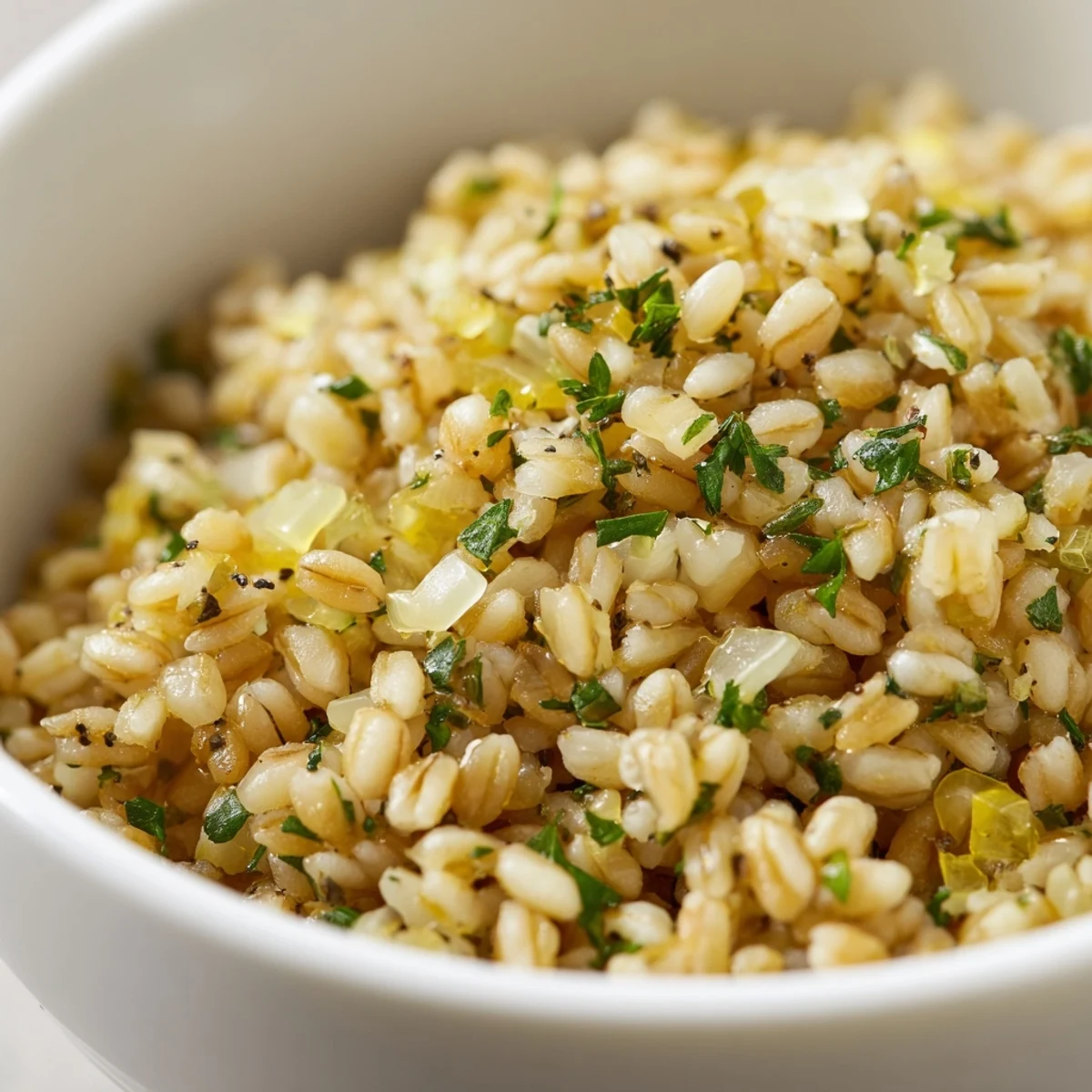
Save This dish features pearl barley toasted to bring out its nutty flavor, then simmered with fresh herbs, garlic, and onion until tender. Enhanced with a touch of butter and olive oil, it delivers a rich, comforting taste and fluffy texture. Perfect as a wholesome side, it complements roasted meats or grain bowls beautifully. Aromatic thyme and fresh parsley add subtle freshness, making this an easy yet flavorful preparation.
There's something deeply satisfying about the moment when pearl barley hits a hot pan and the kitchen fills with that toasted grain aroma—nutty, warm, almost like standing near a bakery. My grandmother used to make this on quiet Sunday afternoons, and I'd watch the grains dance and turn golden while she hummed to herself. Now I make it whenever I need something that feels both simple and special, a dish that asks very little of you but gives back comfort in every spoonful.
I remember serving this alongside roasted chicken to friends who were usually skeptical about side dishes, and someone actually asked for the recipe—the highest compliment you can get. That's when I realized this wasn't just sustenance; it was the kind of thing that makes people feel cared for without being fussy about it.
Ingredients
- Pearl barley, 1 cup: The star that becomes wonderfully creamy inside while maintaining a slight chew; rinsing removes excess starch so it won't get gluey.
- Unsalted butter, 2 tablespoons: Split between toasting and finishing—the first batch builds flavor, the second brings everything to a glossy finish.
- Olive oil, 1 tablespoon: Prevents the butter from burning during that crucial toasting phase.
- Yellow onion, 1 small, finely chopped: Goes soft and sweet during cooking, becoming almost invisible but deeply present in flavor.
- Garlic, 2 cloves, minced: Add it after the onion so it doesn't turn bitter; its warmth anchors the whole dish.
- Vegetable broth, 2½ cups: Chicken broth works beautifully too if that's what you have—the choice won't make or break you.
- Fresh thyme, 1 teaspoon: Dried thyme works in a pinch at half the amount, though fresh leaves give a brighter, more alive finish.
- Salt and freshly ground black pepper, to taste: Essential for bringing out the grain's natural flavor rather than masking it.
- Fresh parsley, 2 tablespoons chopped (optional): A shower of green at the end catches the light and adds a fresh contrast to all that warmth.
Instructions
- Rinse and prepare your barley:
- Run it under cold water in a fine-mesh strainer, stirring gently with your fingers until the water runs clear. This small step keeps things from becoming starchy and thick.
- Heat your pan and toast the barley:
- Medium heat, oil and butter together until they're foaming and smell inviting. Add the rinsed barley and stir constantly for 5 to 7 minutes—you're listening for a gentle crackle and watching for that golden-brown color that signals the magic is happening.
- Build your aromatic base:
- The onion goes in first, softening for about 3 minutes until translucent, then the garlic and thyme join in. You'll know it's right when the whole pan smells like dinner is already underway.
- Add your broth and simmer:
- Pour the broth over everything, season with salt and pepper, and bring it to a boil so you can hear it and see the change. Lower the heat, cover with the lid, and let it bubble gently for 25 to 30 minutes until the barley is tender and the liquid has mostly disappeared.
- Rest and finish:
- Let it sit covered for 5 minutes after removing from heat—this final moment allows the grains to fully absorb any remaining liquid. Stir in the last bit of butter and fluff everything with a fork so each grain is separate and glossy.
- Garnish and serve:
- A handful of fresh parsley scattered over the top adds color and a whisper of freshness that rounds out all that rich toasted flavor.
 Save
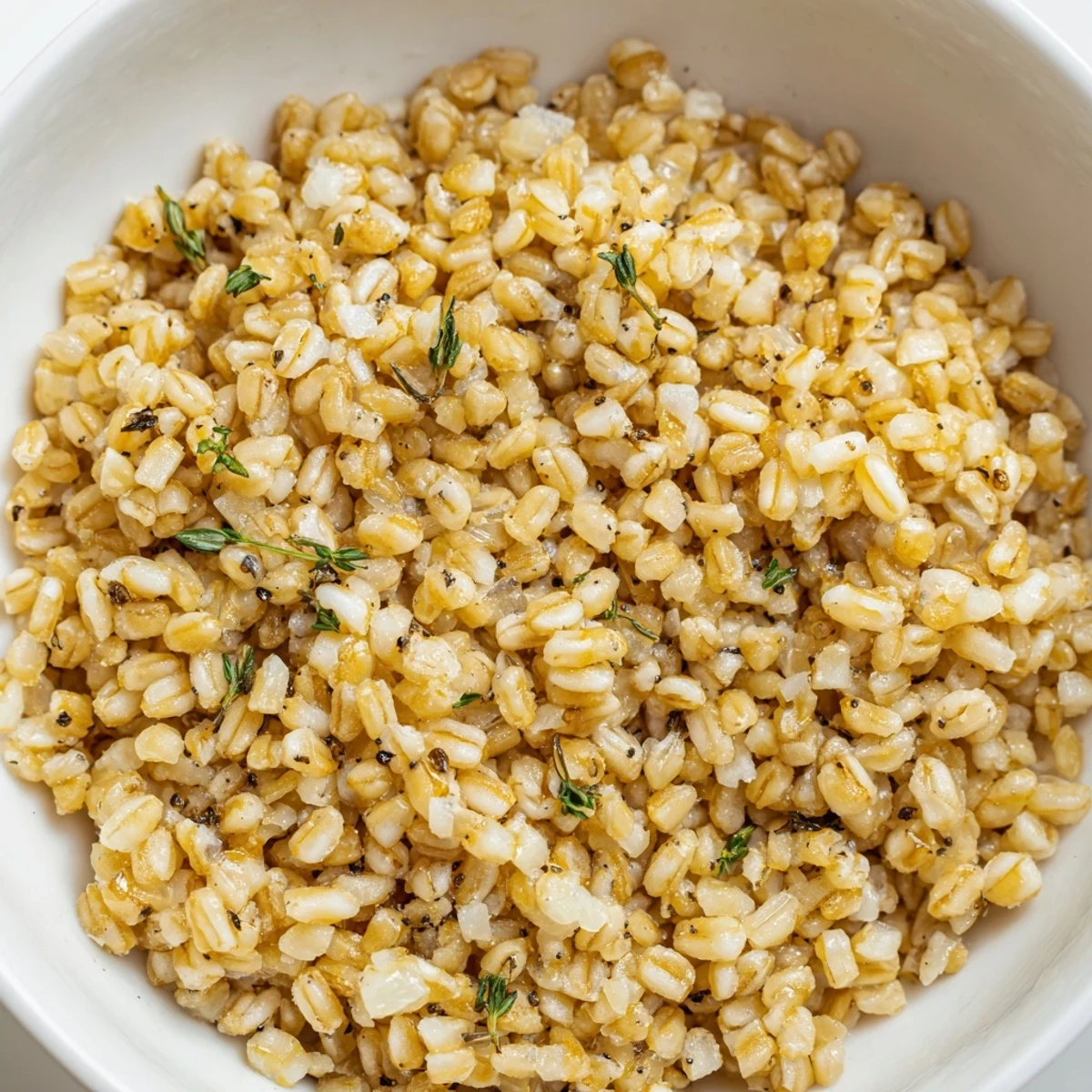
Save There was an evening when my partner came home to the smell of this barley toasting and asked what I was making before even taking off their coat. Sometimes the smallest dishes create the biggest moments in a kitchen, and this one somehow does that every time.
Why Toasting Makes All the Difference
The moment you toast the barley in butter and oil, you unlock flavors that gentle simmering alone could never reach. It's a technique borrowed from risotto kitchens and pilaf traditions, and it transforms a humble grain into something with character and depth. That golden-brown color isn't just visual—it's where the nutty complexity lives, the thing that makes people linger over a side dish instead of rushing through it.
Building Flavor Beyond the Recipe
Once you understand how this dish works, you can improvise with confidence. Try adding a bay leaf during cooking, stirring in grated Parmesan or a handful of roasted mushrooms at the end, or using stock made from the bones of roasted chicken for extra depth. The barley is forgiving and adaptable, always ready to take on new flavors while staying true to its comforting nature.
Serving and Storage Wisdom
This barley is most beautiful served fresh and warm, though it keeps beautifully in the refrigerator for several days and reheats gently with a splash of broth or water. It's the kind of dish that tastes even better the next day, when all the flavors have had time to settle and mellow into something almost creamy. Leftovers become the foundation for quick grain bowls, a bed under roasted vegetables, or something to warm up on mornings when you want comfort from a spoon.
- Store covered in the refrigerator and use within 3 to 4 days for the best texture and flavor.
- Reheat gently on the stovetop over low heat with a little extra broth to restore moisture.
- Transform leftovers into fried barley cakes by mixing with egg and pan-frying until crispy on the edges.
 Save
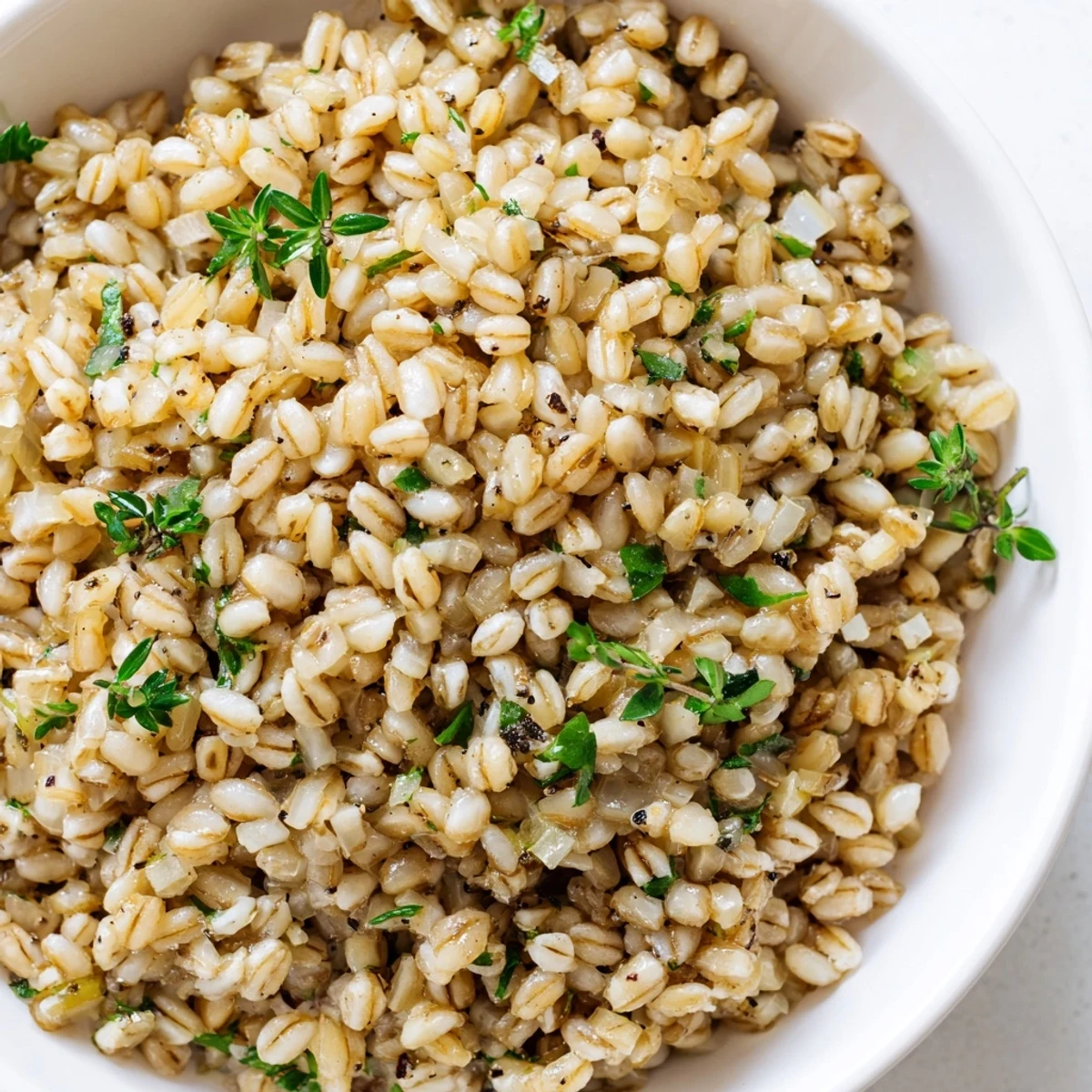
Save This simple barley has taught me that sometimes the most nourishing dishes are the ones that don't demand your attention, only your presence. Make it, share it, and watch how something so humble becomes the part of the meal people remember.
Recipe FAQs
- → How do I toast barley properly?
-
Toast barley in a saucepan with olive oil and butter over medium heat, stirring frequently until golden and fragrant, about 5–7 minutes.
- → Can dried herbs be substituted for fresh thyme?
-
Yes, use half the amount of dried thyme compared to fresh to maintain balanced flavor.
- → What broth options work best for cooking barley?
-
Vegetable or chicken broth adds great depth, but water can be used for a milder taste.
- → How can I make this dish dairy-free?
-
Replace butter with plant-based butter or increase olive oil to maintain richness without dairy.
- → How do I achieve a fluffy texture after cooking?
-
After simmering, let barley stand covered, then stir in butter and fluff gently with a fork before serving.