
 Save
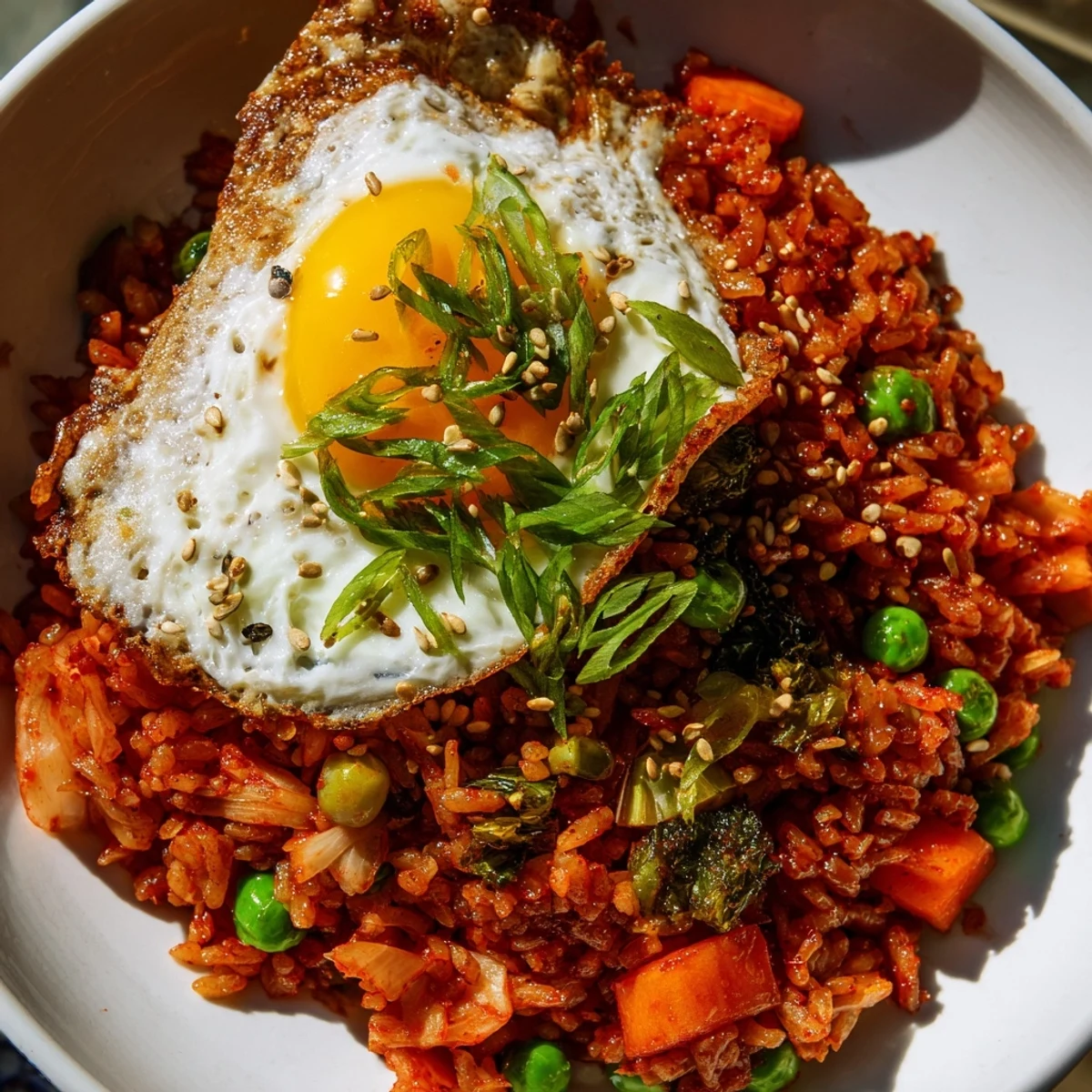
Save This Korean-inspired fried rice transforms day-old rice into a vibrant, umami-packed dish. The kimchi provides deep fermented flavor while the scallion gremolata adds bright, fresh contrast. Ready in just 30 minutes, this versatile main dish works perfectly for weeknight dinners and uses ingredients you likely have on hand.
The first time I made kimchi fried rice, my apartment smelled like fermentation and garlic for days, and I honestly didn't mind one bit. My Korean neighbor knocked on my door thinking I'd ordered from her favorite restaurant in Koreatown, which I took as the highest compliment. This dish has become my go-to for emptying the fridge when it looks like we're down to nothing but condiments and forgotten vegetables.
Last winter during a snowstorm, my friend Sarah showed up at my door with a jar of homemade kimchi and that look in her eyes that said please make something delicious. We stood over the stove while the rice crisped up, sipping cold beer and watching snow pile up outside the kitchen window. She told me her grandmother never measured anything, and now neither do I when I make this.
Ingredients
- 3 cups cooked jasmine or shortgrain rice: Dayold rice is crucial here, as it dries out enough to get those crispy edges without turning mushy or gummy in the pan
- 1 1/2 cups napa cabbage kimchi: Choose kimchi that's been fermenting for at least a week, when the flavors have deepened and developed that satisfying tang
- 1 medium carrot: Adds sweetness and crunch that balances the spicy fermented flavors
- 1 small yellow onion: Finely chopped so it almost disappears into the rice, providing a savory foundation
- 1 cup frozen peas: Thawed completely so they don't cool down your pan and stop the crisping process
- 2 scallions: Separate the white and green parts, as the whites need cooking time while the greens add fresh color at the end
- 2 cloves garlic: Minced fresh, never from a jar, because the difference in flavor is worth the extra minute of prep
- 2 tbsp vegetable oil: A neutral oil that can handle high heat without burning or competing with the bold flavors
- 2 large eggs: Optional protein that adds richness, but skip them if you need this to be vegan
- 1 tbsp gochujang: Korean chili paste brings deep heat and fermented sweetness that hot sauce can't replicate
- 1 tbsp soy sauce: The essential salty base that ties all the seasonings together
- 1 tsp toasted sesame oil: A little goes a long way, adding that unmistakable nutty aroma at the very end
- 1/2 tsp freshly ground black pepper: Adds a gentle background heat that complements without overwhelming the kimchi
- 1/2 tsp sugar: Optional, but it rounds out the sharp edges and helps everything taste cohesive
- 3 scallions: Finely sliced paperthin for the gremolata so they practically melt on your tongue
- 1/4 cup fresh cilantro: Brings brightness and herbal notes that wake up the whole dish
- 1 small garlic clove: Raw garlic in the gremolata adds sharp contrast to the cooked garlic in the rice
- Zest of 1 lime: Essential oils from the zest carry more flavor than juice alone
- 1 tbsp lime juice: Acid cuts through the richness and makes each bite feel alive
- 2 tbsp toasted sesame seeds: Toast them yourself until golden and fragrant, then let them cool before adding
- Pinch of salt: Just enough to wake up the herbs and tie the gremolata together
Instructions
- Make the scallion gremolata:
- In a small bowl, combine the sliced scallions, chopped cilantro, minced garlic, lime zest, lime juice, toasted sesame seeds, and pinch of salt. Mix well and set aside while you cook the rice, giving the flavors time to mingle and develop.
- Heat your pan:
- Heat the vegetable oil in a large skillet or wok over mediumhigh heat until it shimmers and moves easily across the surface.
- Cook the aromatics:
- Add the onion and diced carrot, sautéing until softened and fragrant, about 2 to 3 minutes. The onions should turn translucent and the carrots should lose their raw crunch.
- Add garlic and scallion whites:
- Toss in the minced garlic and white parts of the scallions, stirfrying for just 1 minute until you can smell the garlic throughout your kitchen. Be careful not to burn it, or you'll taste that bitterness in every bite.
- Cook the kimchi:
- Stir in the chopped kimchi and kimchi juice, letting it cook for about 2 minutes. The kimchi should soften slightly and the liquid will reduce, concentrating those funky fermented flavors.
- Add eggs if using:
- Push all the vegetables to one side of the pan and crack the eggs into the empty space. Scramble them until just set, then fold them into the vegetables so everything gets evenly distributed.
- Add and crisp the rice:
- Add the cooked rice, using your spatula to break up any clumps, then stirfry for 3 to 4 minutes. You want to hear the rice sizzling and popping, letting it get crispy and golden in spots.
- Season the rice:
- While the rice cooks, mix the gochujang, soy sauce, sesame oil, black pepper, and sugar in a small bowl. Pour this sauce over the rice and toss everything together until each grain is evenly coated and red.
- Finish with fresh elements:
- Add the thawed peas and green parts of the scallions, cooking for just 1 to 2 more minutes until everything is heated through. Remove from heat immediately so the peas stay bright and bouncy.
- Top and serve:
- Mound the rice into bowls and top generously with the scallion gremolata. Serve hot while the rice still has that irresistible crispy texture.
 Save
Save My roommate used to request this on Monday nights, using whatever vegetables we had lurking in the crisper drawer. We'd eat standing up at the counter, talking about our weekends and letting the spice clear our heads. It became our little tradition, better and cheaper than takeout, and now I can't make it without thinking of those late-night kitchen conversations.
Making It Your Own
The beauty of fried rice lies in its adaptability, and I've learned that the best versions often come from improvisation. Sometimes I add diced bell peppers for sweetness, or throw in shredded cabbage when I need to use it up. Frozen corn works beautifully alongside the peas, and I've even added diced sweet potato for extra substance.
Getting The Perfect Texture
The difference between decent fried rice and great fried rice comes down to letting the rice crisp in the pan. Resist the urge to stir constantly, instead letting the rice sit for 30 seconds at a time so it can make contact with the hot surface and develop those crispy, crunchy edges that make every bite interesting.
Serving Suggestions
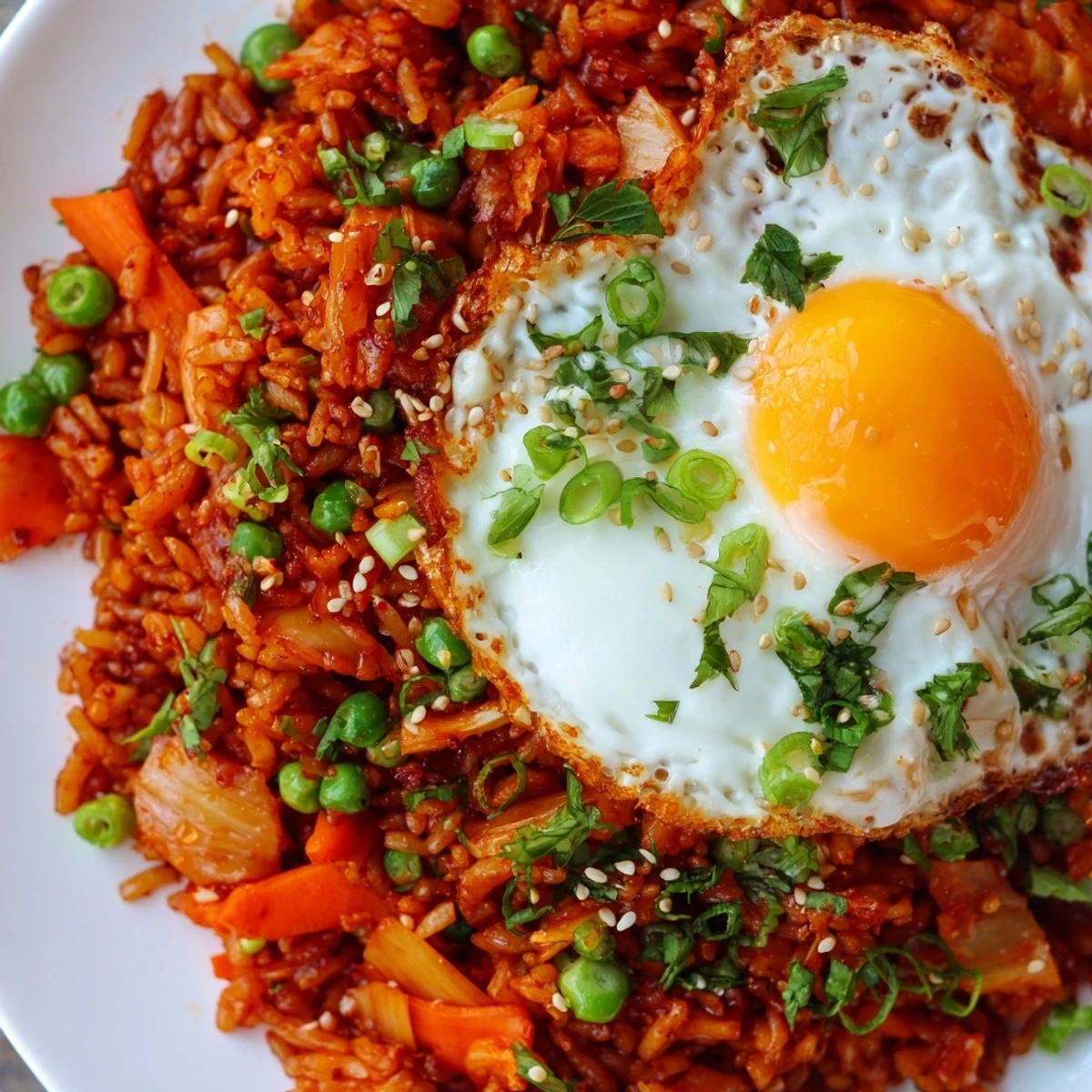
This rice holds its own as a complete meal, but it also pairs beautifully with simple proteins. A quick cucumber salad dressed with rice vinegar helps cool your palate between bites, and a fried egg on top with a runny yolk creates a luxurious sauce that coats every grain.
- Try wrapping spoonfuls in lettuce leaves for a lighter, fresher take
- A drizzle of extra sesame oil right before serving elevates the nutty aroma
- Extra lime wedges on the table let everyone adjust the brightness to their taste
 Save
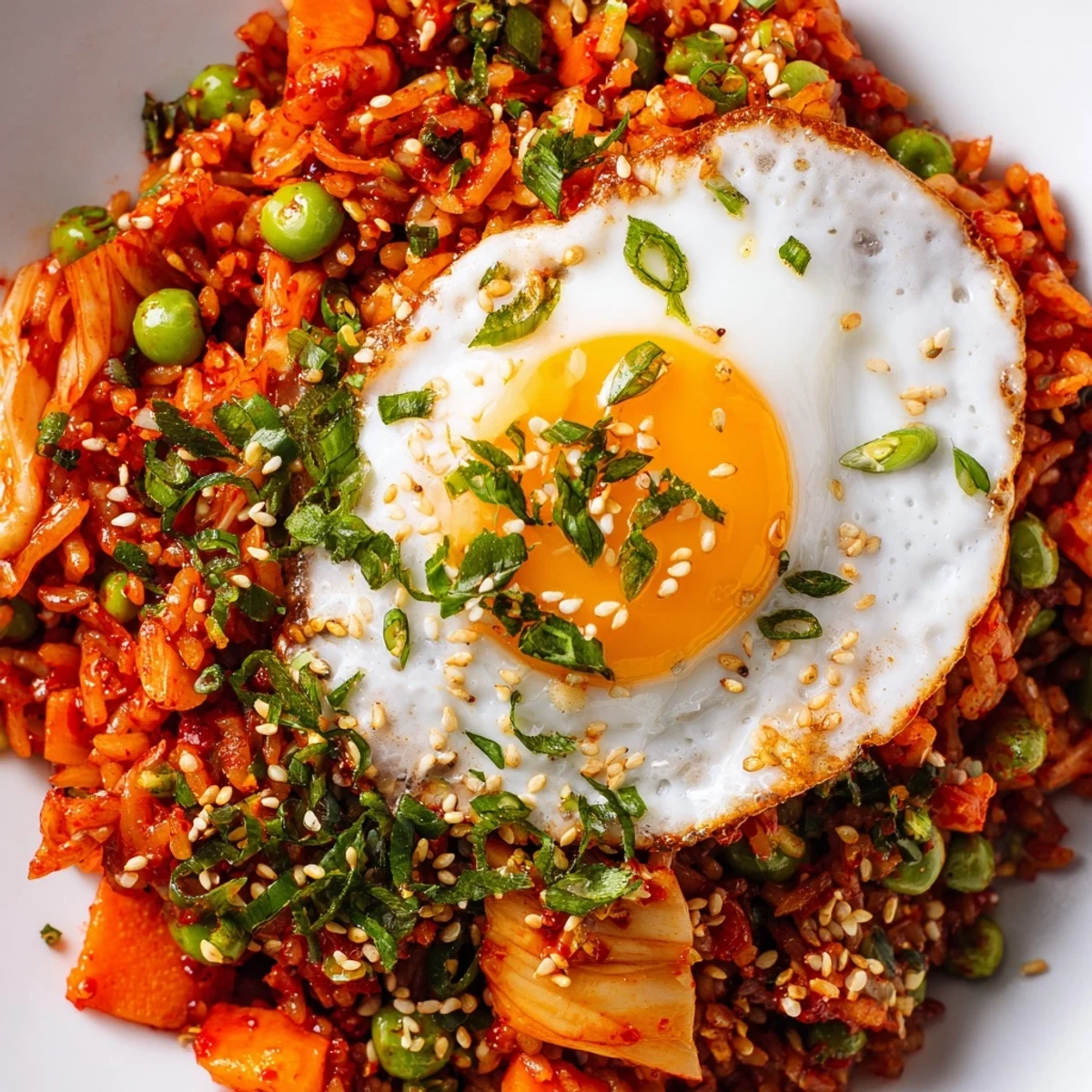
Save The gremolata might seem like an extra step, but it's what transforms this from standard fried rice into something you'll crave on repeat. It's the dish that turned my skeptical husband into a kimchi believer, and I think it might do the same for you.
Recipe FAQs
- → What type of rice works best?
-
Day-old jasmine or short-grain rice performs best. The grains dry out overnight, preventing mushy texture during high-heat stir-frying.
- → Can I make this vegan?
-
Yes. Simply omit the eggs and ensure your kimchi is vegetarian-friendly, as some traditional varieties contain fish sauce or shrimp paste.
- → What makes scallion gremolata special?
-
The combination of fresh scallions, cilantro, lime zest, and sesame seeds creates a bright, zesty topping that cuts through the rich, spicy rice.
- → How spicy is this dish?
-
Moderately spicy. The heat level depends on your kimchi and gochujang. Adjust by using less gochujang or choosing milder kimchi varieties.
- → Can I add protein?
-
Diced tofu, leftover chicken, or shrimp work beautifully. Add during the vegetable stage to heat through properly.
- → How do I store leftovers?
-
Refrigerate in an airtight container for up to 3 days. Reheat in a skillet over medium heat, adding a splash of water if needed.