
 Save
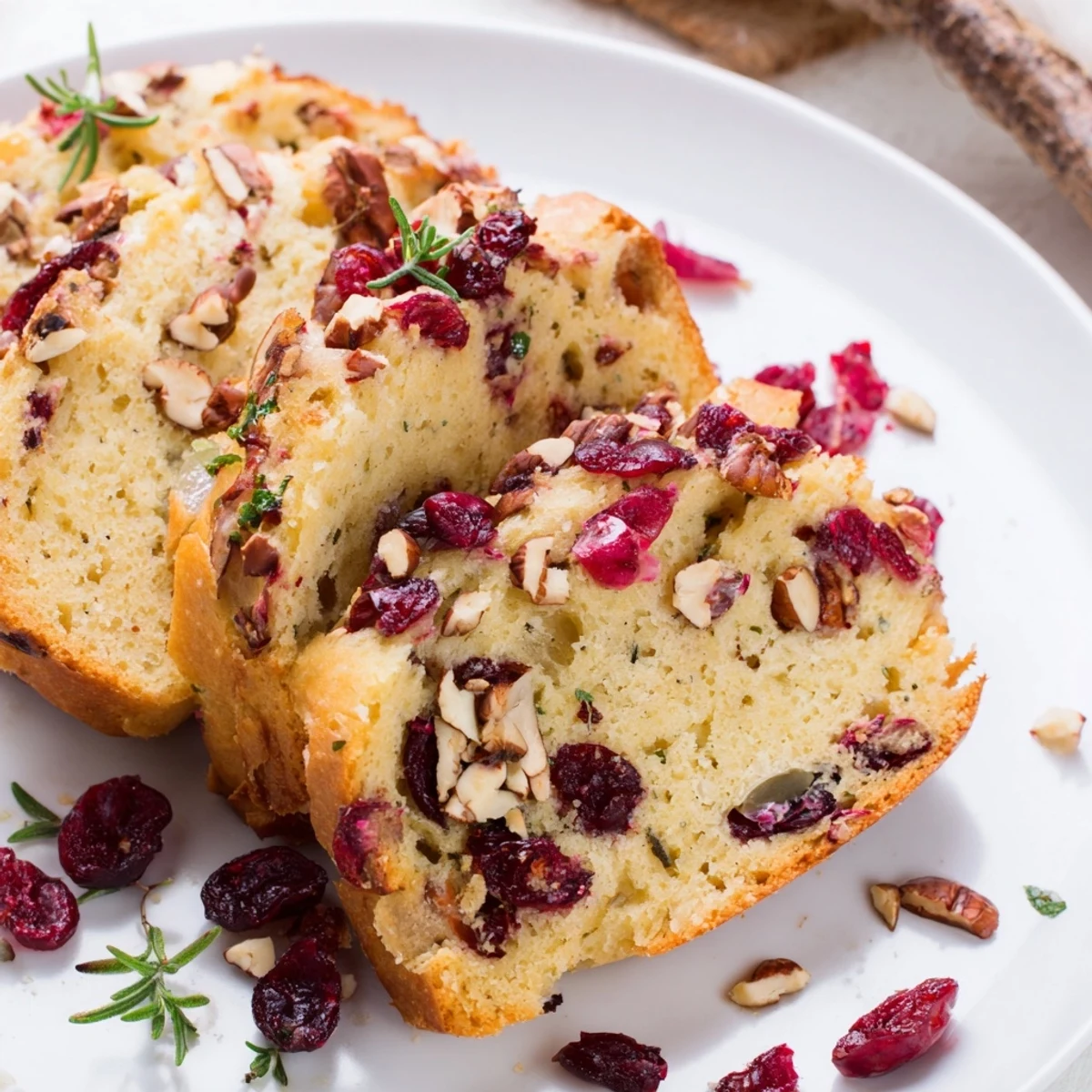
Save This loaf combines toasted walnuts or pecans, dried cranberries, and fresh herbs like rosemary, thyme, and parsley for a rich, aromatic flavor. The batter blends all-purpose flour with whole milk, eggs, and olive oil, creating a moist and textured bread. After baking until golden brown, it's ideal served warm with butter or soft cheese, elevating any meal from appetizers to sides.
Preparation involves gentle mixing to retain tenderness, while optional toppings add a rustic crunch. Vegan substitutions are possible using flax eggs and plant-based milk. This bread complements crisp white wines or light herbal teas, making it a versatile addition to your culinary table.
I first discovered the magic of herb breads during a cold November afternoon when my neighbor brought over a warm loaf of something she called her "garden bread." The moment I bit into it, I understood—it wasn't just the tart burst of cranberries or the earthy herbs, but how they all sang together in this humble, golden loaf. Since that day, I've made this Toasty Cranberry Herb bread countless times, each batch bringing back that same cozy feeling of being wrapped in warmth while the world outside turns crisp and gray.
I'll never forget the first time I served this bread at a dinner party. My friend Sarah took one bite and closed her eyes—actually closed her eyes—and when she opened them, she asked for the recipe before she'd even finished her slice. That's when I knew this wasn't just a recipe I liked; it was something special enough to share with people I care about.
Ingredients
- All-purpose flour (2 1/2 cups): The backbone of your bread—I've learned to spoon and level rather than scoop directly, which prevents overpacking and keeps the crumb tender and light
- Granulated sugar (1 tbsp): Just enough to wake up the yeast and balance the tartness of the cranberries without making this sweet bread
- Baking powder and baking soda (2 tsp and 1/2 tsp): These two work together to create lift—the baking powder does most of the heavy lifting, while the soda reacts with the milk for extra rise
- Fine sea salt (1 tsp): Don't skip this; it seasons every bite and actually makes the herbs taste more like themselves
- Whole milk at room temperature (1 cup): Cold milk can shock the batter and make it dense—let it sit on the counter for 20 minutes before mixing
- Large eggs (2): These bind everything together and add richness; room temperature eggs mix more smoothly into the batter
- Olive oil or melted butter (1/4 cup): I prefer olive oil for its fruity undertones, but melted butter gives you a richer, more traditional bread flavor—choose based on your mood
- Dried cranberries (1 cup): Tart, chewy pockets of flavor—if yours are very hard, plump them in warm water for 10 minutes first
- Toasted nuts (1/2 cup): Toasting them yourself makes all the difference; it deepens their flavor and adds a satisfying crunch that raw nuts simply can't match
- Fresh parsley, rosemary, and thyme (4 tbsp total): Fresh herbs are non-negotiable here—dried herbs are about a third as potent and won't give you that bright, garden-fresh taste
- Rolled oats or nuts for topping (optional): This little finishing touch catches the oven's heat and turns golden and crunchy, creating a gorgeous presentation
Instructions
- Prepare your oven and pan:
- Heat your oven to 350°F—I always turn it on first so it has time to reach the exact temperature. Grease your loaf pan generously (butter works beautifully here) and line it with parchment paper. This two-step approach means your bread releases easily and you get clean edges.
- Build your dry foundation:
- In a large bowl, whisk together the flour, sugar, baking powder, baking soda, and salt. This whisking is important—it aerates the flour and distributes the leavening agents evenly throughout. You'll notice the mixture becomes slightly lighter and fluffier.
- Combine your wet ingredients:
- In a separate bowl, whisk the room-temperature milk, eggs, and oil together until they're well combined and slightly frothy. The whisking emulsifies everything, creating a smooth, homogeneous mixture that blends beautifully with the dry ingredients.
- Bring it together gently:
- Pour the wet ingredients into the dry mixture and stir gently with a wooden spoon or sturdy spatula. This is the moment many bakers make their biggest mistake—they overmix out of habit. Stop as soon as you don't see streaks of dry flour anymore. The batter should look slightly lumpy; that's perfect.
- Fold in your flavor makers:
- Now fold in the cranberries, toasted nuts, and fresh herbs with gentle, sweeping motions. I use a rubber spatula for this, reaching down to the bottom of the bowl and bringing everything up and over itself. This distributes the mix-ins without deflating the batter.
- Pour and top:
- Scrape the batter into your prepared loaf pan and smooth the top gently. If you're using the optional topping, sprinkle rolled oats or extra chopped nuts across the surface now—they'll toast beautifully and give you a professional-looking finish.
- Bake until golden:
- Bake for 35 to 40 minutes. You'll know it's done when a toothpick inserted into the center comes out clean or with just a few moist crumbs (not wet batter). The top should be deep golden brown. If your bread is browning too quickly, tent it loosely with foil for the last 10 minutes.
- Cool with patience:
- Let the bread rest in the pan for 10 minutes—this allows the structure to set. Then turn it out onto a wire rack to cool completely. I know it's tempting to slice into a warm loaf, but slicing too early causes it to crumble. Cool bread slices clean and stays moist.
 Save
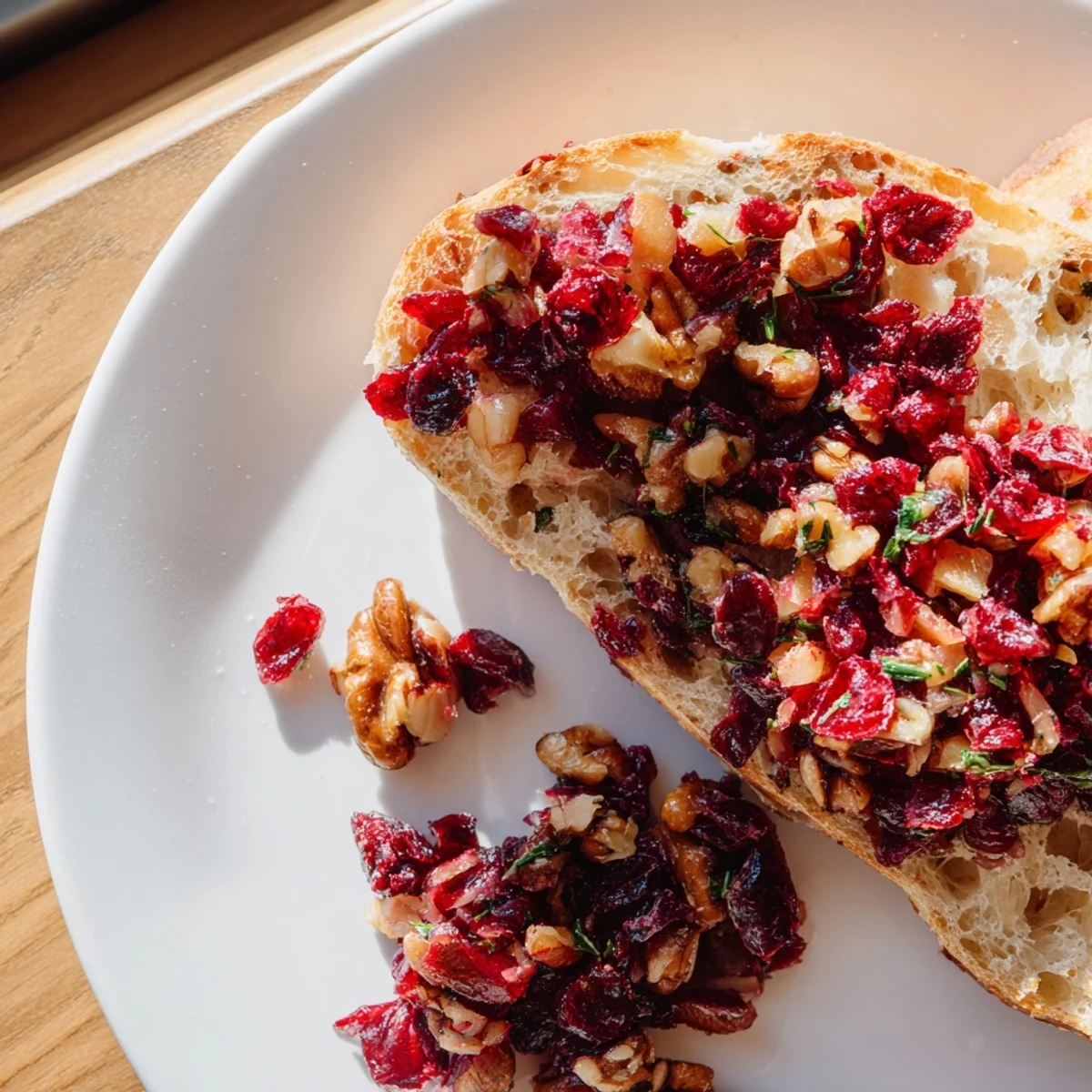
Save There was a morning last spring when I pulled this bread from the oven just as my daughter stumbled into the kitchen. She followed the smell like a cartoon character, and before I could even wrap it properly, we were sitting together at the table, tearing into warm slices and spreading them with soft butter. She looked at me and said, "This is what home smells like." In that moment, I realized this bread had become something more than a recipe—it was a way of saying I love you.
The Secret to Perfect Texture
The key to tender, moist crumb lies in respecting the science happening in your bowl. When you mix flour with liquid, gluten strands start developing immediately. In quick breads like this one, you want minimal gluten development—just enough structure to hold everything together. That's why every instruction emphasizes gentleness. Think of mixing like you're handling something delicate. The magic happens in the oven, not in the bowl. Your batter will look rough and rustic, and that's exactly right. Those lumps of flour actually disappear during baking and contribute to a tender final product.
Why Fresh Herbs Make All the Difference
I used to think dried herbs were a reasonable substitute, but this bread converted me completely. Fresh herbs have volatile oils that create brightness and lift—dried herbs taste muted and flat by comparison. The rosemary and thyme in this bread aren't background notes; they're main characters. When you crush fresh thyme leaves between your fingers before adding them, you're releasing their essential oils, which intensifies the flavor. Parsley adds freshness without overpowering. Together, they create an herbaceous complexity that makes people pause mid-bite and wonder what you did differently.
Make It Your Own
One of my favorite things about this recipe is how forgiving and customizable it is. Once you understand the formula—dry ingredients, wet ingredients, mix gently, add mix-ins, bake—you have the freedom to play. I've made versions with dried cherries and thyme in summer, pumpkin seeds and sage in fall, and even a version with dried blueberries and lavender that surprised everyone. The only rule I follow is keeping the total weight of add-ins roughly the same so your liquid-to-dry ratio stays balanced. Start with this version to learn how it should taste, then trust your instincts to make it uniquely yours.
- Dried apricots and cardamom create a warm, almost exotic version
- Swap the herbs entirely—basil and oregano turn this into an Italian-inspired loaf perfect for cheese courses
- Reduce the cranberries and add lemon zest plus a touch of poppy seeds for a completely different personality
 Save
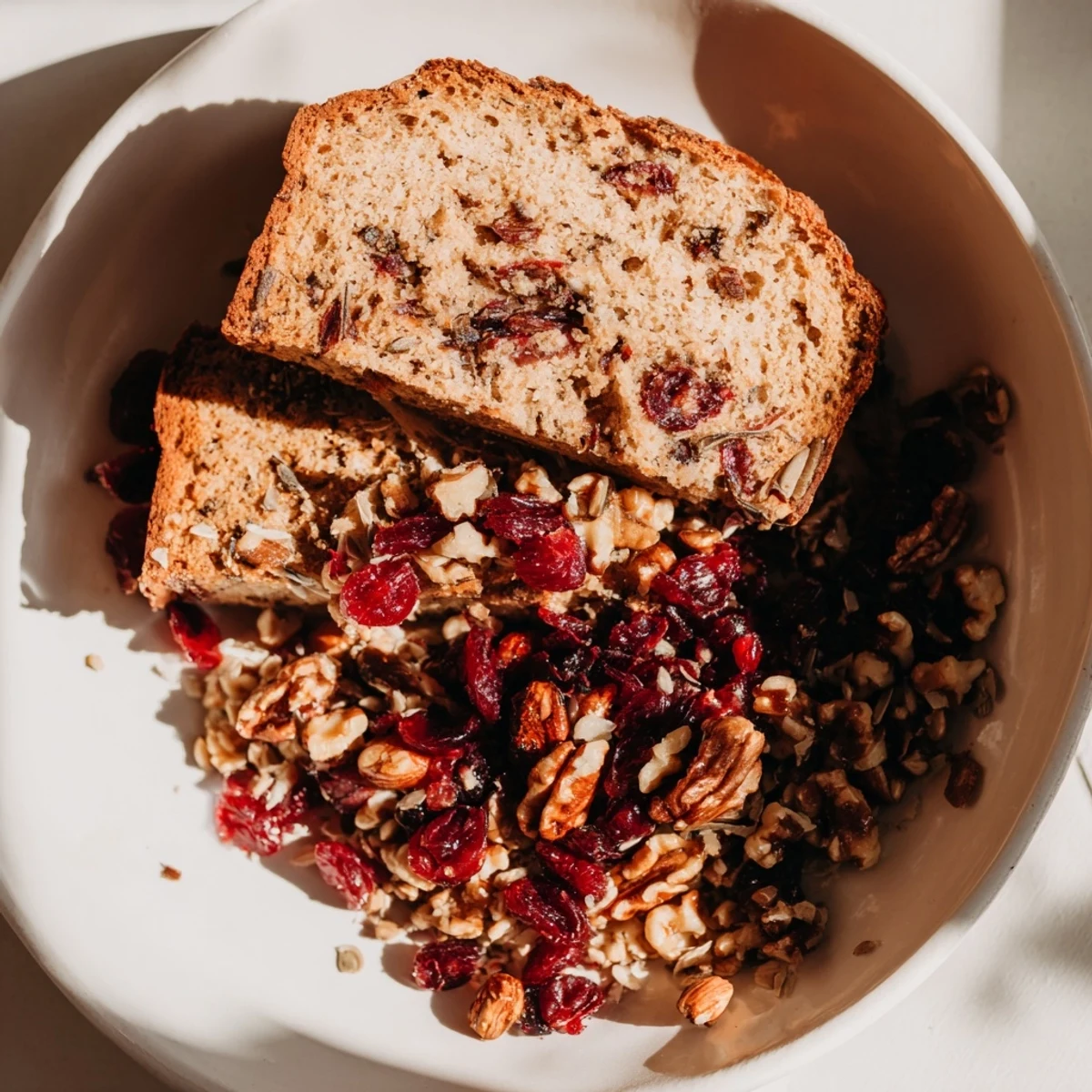
Save Baking this bread is about more than feeding people—it's about showing up in your kitchen and creating something warm and nourishing with your own two hands. Every time you bake it, you'll get a little better at reading your oven, at knowing when the batter feels right, at understanding the subtle cues that tell you when bread is done. That's the real gift of cooking from scratch.
Recipe FAQs
- → What nuts work best in this bread?
-
Toasted walnuts or pecans add a rich, crunchy texture that balances the sweetness of dried cranberries.
- → Can I substitute dried cranberries?
-
Dried cherries or chopped dried apricots are great alternatives, providing a similar tart-sweet flavor profile.
- → How can I make this loaf vegan?
-
Replace eggs with flax eggs and use plant-based milk and oil to maintain moisture and texture.
- → What herbs enhance the flavor?
-
Fresh parsley, rosemary, and thyme deliver aromatic accents that elevate the overall taste.
- → How do I know when the bread is done?
-
Bake until a toothpick inserted in the center comes out clean and the top turns golden brown.