
 Save
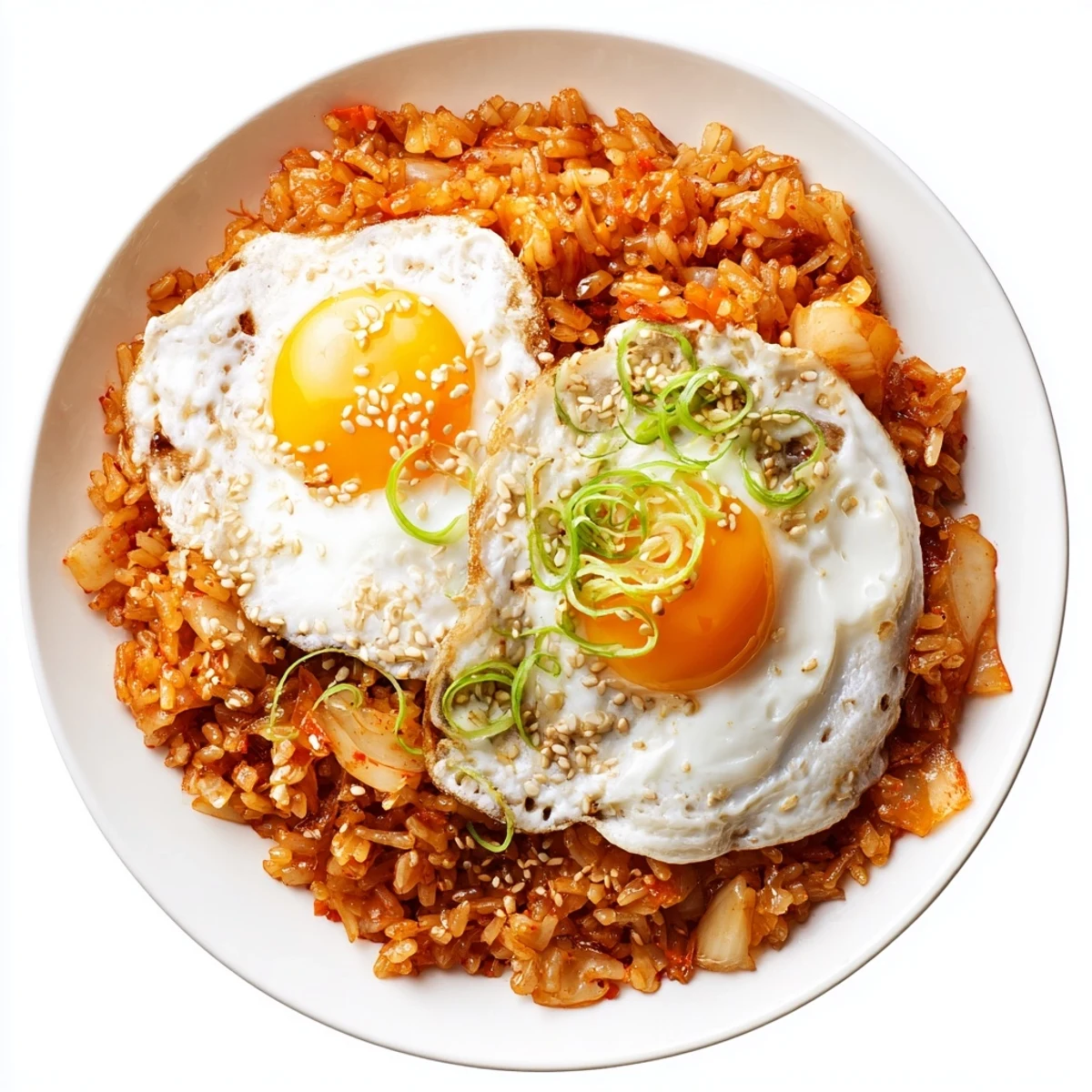
Save Make this kimchi garlic chili fried rice by using day-old jasmine or short-grain rice and high heat. Sizzle minced garlic and scallion whites, add chopped kimchi until slightly caramelized, then stir in cold rice. Toss with a gochujang-soy-sesame sauce and kimchi juice so grains turn reddish and glossy. Finish with scallion greens and sesame; top with fried eggs or tofu for protein. Adjust heat with gochugaru or more gochujang.
The sizzle of kimchi hitting a hot wok on a rainy Tuesday evening is enough to make you forget whatever went wrong that day. I threw this together once with nothing but leftover rice and a jar of kimchi that had been sitting in my fridge for weeks, and it turned into the kind of meal that makes you close your eyes after the first bite. The fermented tang mixes with garlic and chili in a way that feels almost addictive. It has been my weeknight anchor ever since.
My roommate walked in while I was making this once and stood over the stove finishing half the wok before I could even plate it. We ended up eating standing up, laughing about how something so simple could taste like we had ordered takeout from our favorite Korean spot downtown.
Ingredients
- 2 cups cooked jasmine or short grain rice (day old, cold): Cold rice is non negotiable here because fresh rice turns gummy and clumps instead of frying properly.
- 1 cup napa cabbage kimchi, chopped, plus 2 tbsp kimchi juice: The older and more fermented your kimchi, the more depth and tang you get in every grain of rice.
- 3 scallions, thinly sliced, white and green parts separated: The whites cook down sweet and soft while the greens stay bright and fresh on top.
- 3 garlic cloves, finely minced: Fresh garlic makes a difference here since it is one of the core flavors carrying the whole dish.
- 1 small carrot, diced (optional): Adds a subtle sweetness and a pop of color that breaks up the red.
- 1 tbsp gochujang (Korean chili paste): This brings a fermented heat that is rounder and more complex than plain chili powder.
- 1 tbsp soy sauce: Provides salt and umami that ties everything together without overpowering the kimchi.
- 1 tsp toasted sesame oil: Just a drizzle at the end fills the kitchen with a nutty warmth that feels like comfort.
- 2 tsp neutral oil: Vegetable or canola oil lets the flavors shine without competing.
- 1/2 tsp sugar: A tiny amount balances the sourness of the kimchi and rounds out the sauce.
- 1/2 tsp freshly ground black pepper: Adds a gentle background heat that sneaks up on you.
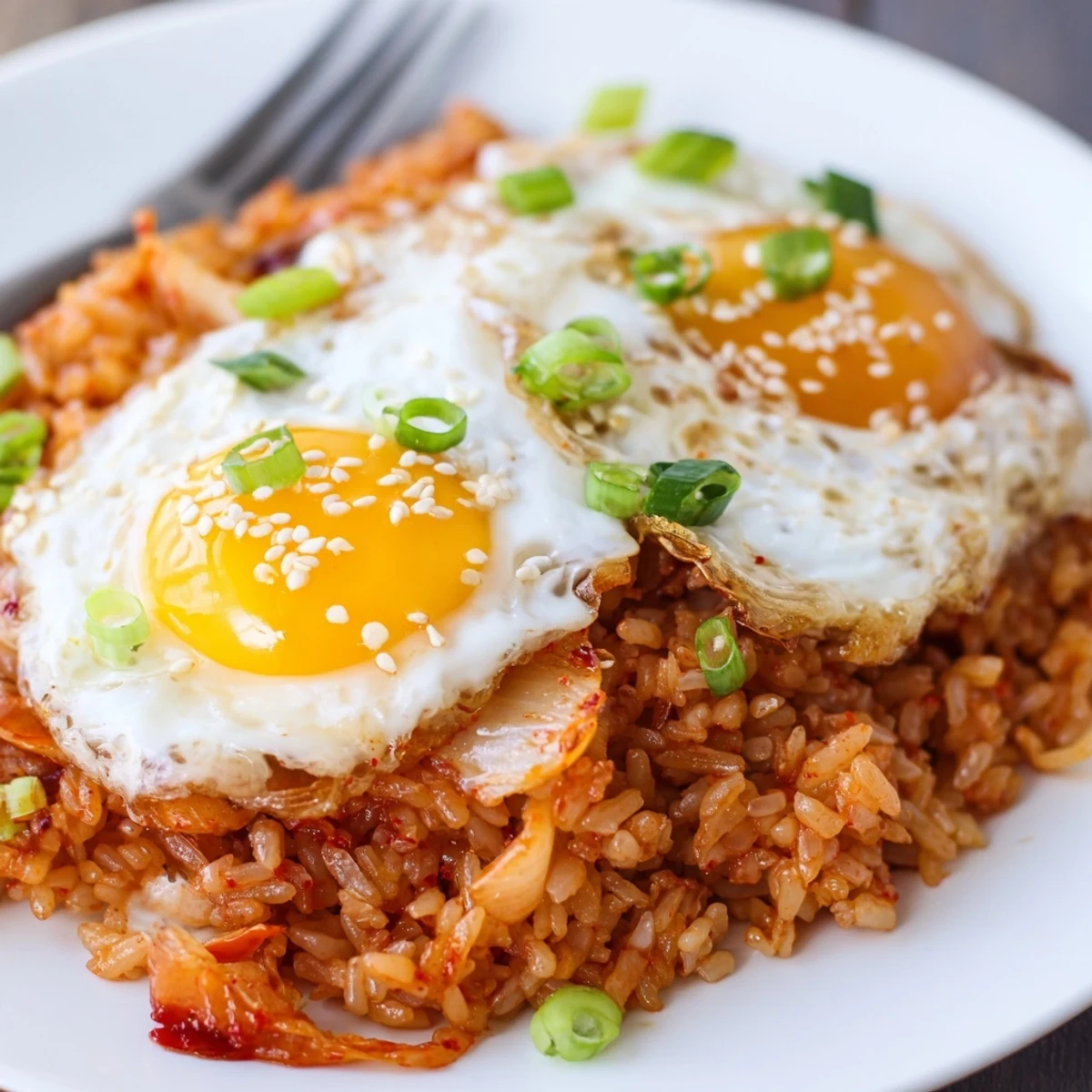
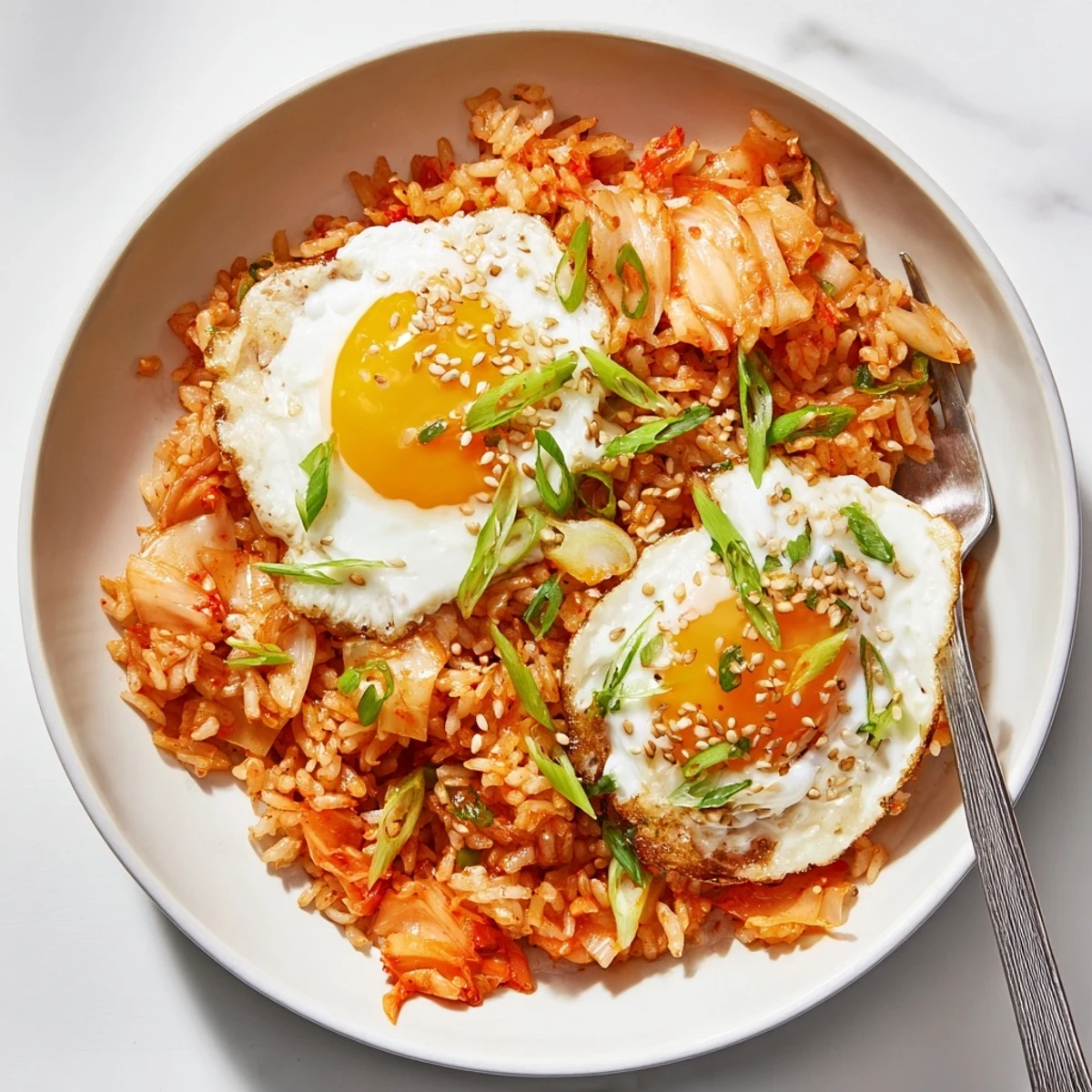
- 2 fried eggs (optional topping): The runny yolk mixed into the spicy rice is honestly the best part.
- 1 tbsp toasted sesame seeds (optional topping): A sprinkle of these adds a finishing crunch that makes it feel complete.
Instructions
- Mix your sauce:
- In a small bowl, stir together the gochujang, soy sauce, sesame oil, sugar, and black pepper until smooth. Set it aside so the flavors begin to meld while you cook.
- Heat the wok:
- Pour the neutral oil into a large skillet or wok over medium high heat and let it shimmer until it just starts to smoke. You want the pan hot enough that the garlic sizzles the moment it hits the surface.
- Build the aromatic base:
- Toss in the minced garlic, diced carrot if you are using it, and the white parts of the scallions. Stir fry for about a minute until your kitchen smells incredible and the garlic turns golden at the edges.
- Cook the kimchi:
- Add the chopped kimchi and cook for two minutes, stirring often, letting it caramelize slightly and deepen in color. You will notice the sour aroma mellowing into something rich and savory.
- Fry the rice:
- Dump in the cold rice and break apart any stubborn clumps with your spatula, pressing and tossing for two to three minutes until every grain is heated through and slightly toasted.
- Add the sauce and kimchi juice:
- Pour the sauce mixture and kimchi juice over the rice and toss aggressively so every grain gets coated and turns that beautiful deep red color. Keep stirring for another minute to let the sauce cook into the rice.
- Finish with scallion greens:
- Fold in half of the scallion greens, reserving the rest for garnish, and give everything a final toss. Taste quickly and add a pinch more soy sauce or sugar if it needs balancing.
- Fry the eggs if using:
- In a separate small pan, fry eggs to your preferred doneness while the rice rests off the heat. A crispy edged runny yolk egg is what you are after here.
- Plate and serve:
- Divide the hot fried rice between bowls and top with the fried eggs, remaining scallion greens, and a generous sprinkle of toasted sesame seeds. Serve immediately while everything is steaming.
 Save
Save There was a night I made this for a friend who had never tried Korean food and watched her pause mid conversation after the first bite, completely derailed by the flavor. She asked for the recipe before she even finished her bowl, and now she texts me photos of her own kimchi fried rice at least twice a month.
Choosing the Right Kimchi Makes All the Difference
After making this dish dozens of times, I have learned that the kimchi does most of the heavy lifting, so choose wisely. Look for jars where the cabbage looks deeply red and the liquid is cloudy and effervescent, which means it has been fermenting long enough to develop real complexity. Your local Korean grocery store will almost always have better options than a standard supermarket aisle.
Getting the Perfect Fried Rice Texture
The trick to restaurant quality fried rice at home is heat and patience with your pan. Do not crowd the wok or rush the process because the slight char on the rice comes from letting it sit undisturbed for a few seconds between tosses. A well seasoned carbon steel wok or a heavy bottomed skillet will give you the best results.
Making It Your Own
Once you have the base down, this recipe is incredibly forgiving and ready for whatever you have on hand. Think of it as a template that grows with your pantry and your cravings.
- Crumble in extra firm tofu or toss in leftover chicken and shrimp for a heartier version.
- Swap jasmine rice for brown rice if you want more fiber and a nuttier chew.
- Shake gochugaru flakes over the top if you want to turn the heat up another notch.
 Save
Save Some meals are just food, but a bowl of kimchi fried rice at the end of a long day feels like a small act of taking care of yourself. Keep a jar of kimchi in your fridge and you are never more than fifteen minutes away from something truly satisfying.
Recipe FAQs
- → Why use day-old rice?
-
Cooling the rice firms up grains and reduces surface moisture, so each grain fries separately and achieves a better chew and slight crisp on high heat.
- → How can I control the spiciness?
-
Adjust gochujang amount and add gochugaru sparingly. Stir in kimchi juice for tang without extra heat, or balance heat with a pinch of sugar or toasted sesame oil.
- → What kimchi works best?
-
Well-fermented napa cabbage kimchi gives the most tang and depth. If you prefer milder tang, rinse briefly and squeeze out excess liquid before chopping.
- → Can I make this vegan?
-
Yes—omit the fried egg and choose vegetarian kimchi (no fish sauce) or a vegan label. Add firm tofu or sautéed mushrooms for extra protein.
- → How do I prevent soggy fried rice?
-
Use cold, dry rice and keep the pan hot. Work in batches if needed, and avoid adding excess sauce; toss quickly so grains stay distinct.
- → What proteins pair well?
-
Soft-fried eggs, pan-fried tofu, diced chicken, or shrimp work well—add cooked proteins at the end to warm through without overcooking.