
 Save
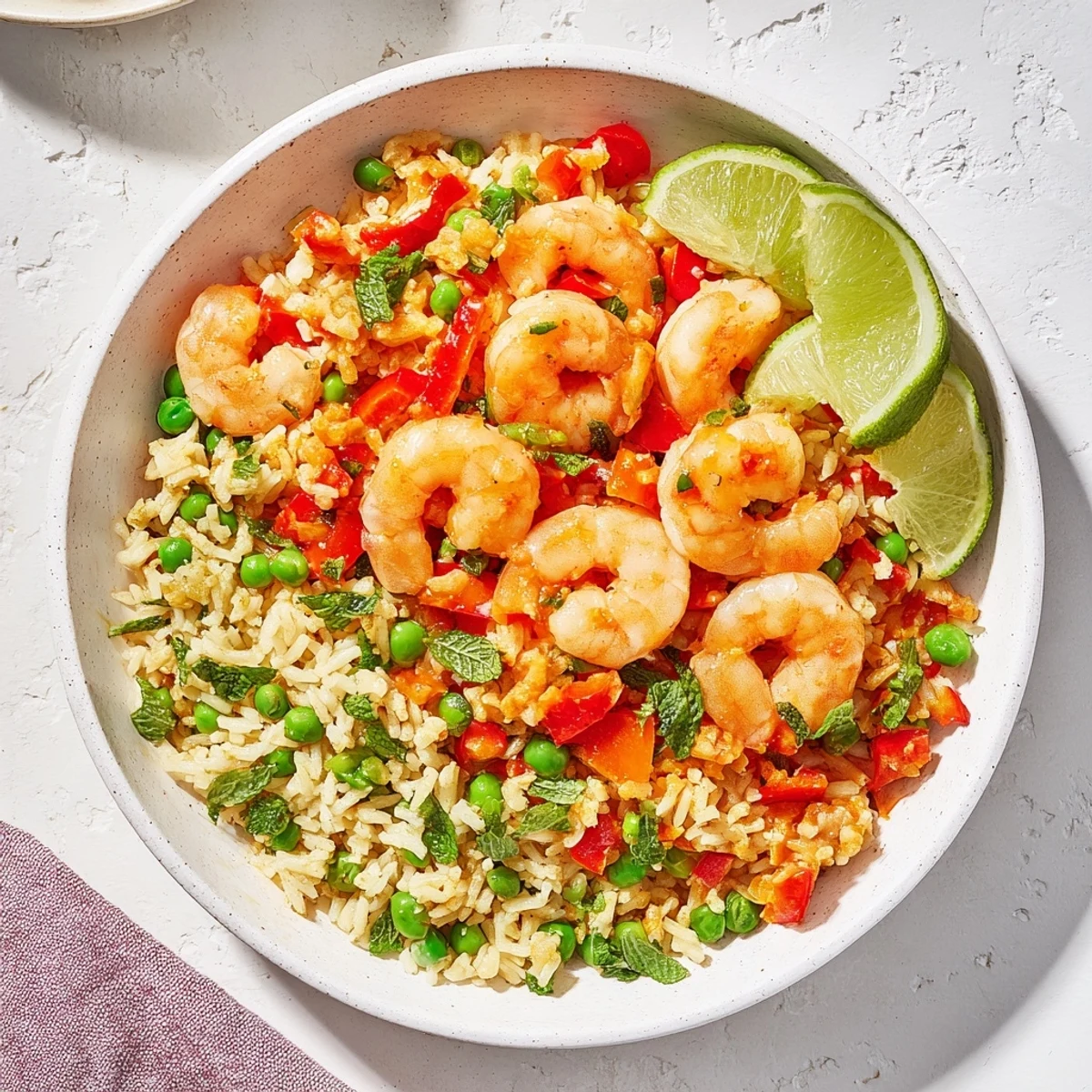
Save This vibrant Asian-inspired bowl combines succulent shrimp with day-old jasmine rice, creating crispy texture and bold flavors. The zesty lime marinade tenderizes the seafood while chili flakes provide gentle warmth. Aromatic garlic and onion form the flavor base, complemented by sweet bell pepper and peas. The finishing touch comes from fresh cilantro, mint, and basil, adding bright herbal notes that balance the savory sauces.
Perfect for using up leftover rice, this dish comes together in just 30 minutes. The high-heat stir-fry technique creates those coveted crispy rice bits while keeping shrimp tender. Serve with extra lime wedges to squeeze over the top, enhancing the fresh, zesty character that makes this bowl irresistible.
The steam rising off the wok in my tiny apartment kitchen carried this incredible citrus scent that made my roommate poke her head in, asking what I was making that smelled like a vacation.
I first threw this together on a Tuesday night when I had leftover rice and shrimp that needed using, and now it is the recipe my friends actually request when they come over.
Ingredients
- Large shrimp: Fresh shrimp transforms this dish but frozen works perfectly if thawed and patted dry
- Lime juice and zest: Both the juice and the bright green zest matter for that punchy citrus finish
- Chili flakes: Start with less than you think, the heat builds as the rice fries
- Day-old jasmine rice: Cold rice from the fridge fries up separate and fluffy instead of turning into mush
- Garlic and onion: The foundation that makes your kitchen smell amazing
- Red bell pepper: Sweet crunch that balances the sharp chili and tangy lime
- Frozen peas: They thaw quickly in the pan and add pops of sweetness
- Soy sauce, fish sauce, and oyster sauce: This trio creates that perfect salty umami depth
- Toasted sesame oil: Just a teaspoon adds that nutty finish we all love
- Fresh cilantro, mint, and basil: The holy trinity that makes this dish sing
Instructions
- Marinate the shrimp:
- Toss your shrimp with lime juice, chili flakes, salt, and pepper while you prep everything else
- Sear the shrimp:
- Heat half the oil in your wok over medium-high heat and cook shrimp until just pink, about 2 minutes
- Build the aromatics:
- Add the remaining oil and cook garlic and onion until they smell incredible and turn translucent
- Add vegetables:
- Toss in the bell pepper and peas, stir-frying until they are slightly tender but still have snap
- Fry the rice:
- Crank up the heat, dump in the cold rice and break up clumps with your spatula until everything is hot and getting crispy edges
- Add the sauces:
- Pour in the soy sauce, fish sauce, oyster sauce, sesame oil, and lime zest, tossing until every grain is coated
- Combine everything:
- Return the shrimp to the pan with spring onions and half your fresh herbs, tossing for just 1 minute
- Finish and serve:
- Top with remaining herbs and lime wedges while the rice is still piping hot from the wok
 Save
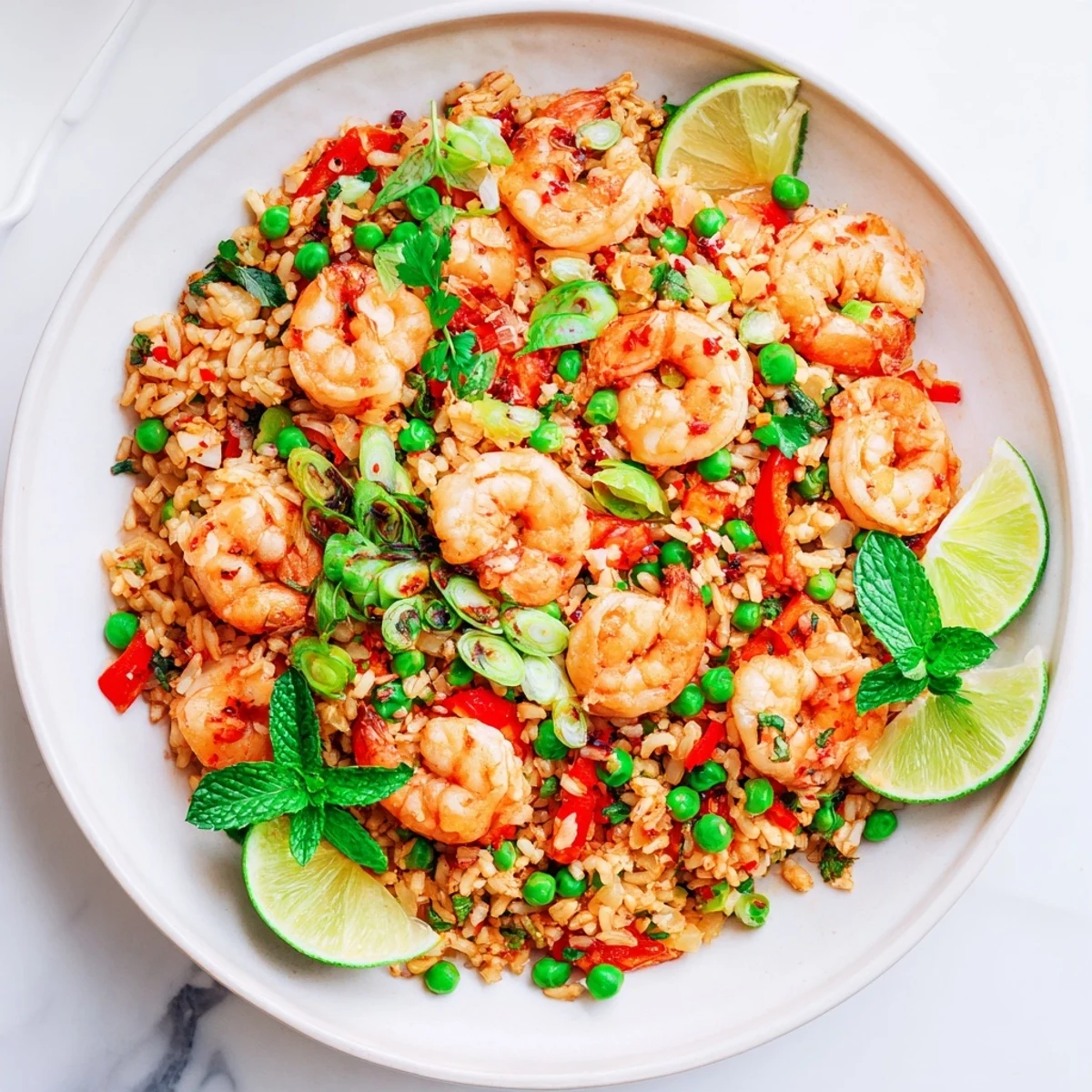
Save My friend Sarah took one bite and immediately asked for the recipe, then made it three times that same week for her family.
Getting The Rice Right
The trick I learned from watching restaurant cooks is to let the rice sit in the hot pan for a minute between tosses, letting those crispy golden bits form that make fried rice so addictive.
Making It Your Own
Sometimes I throw in diced carrots or corn when I have them, and once I added leftover rotisserie chicken instead of shrimp with equally happy results from everyone at the table.
Timing Is Everything
The real secret is adding those fresh herbs at the very end, right before serving, so they stay bright and fragrant instead of wilting into the hot rice.
- Set your table before you start cooking
- Keep the lime wedges handy for squeezing at the table
- Have hot sauce ready for anyone who wants extra kick
 Save
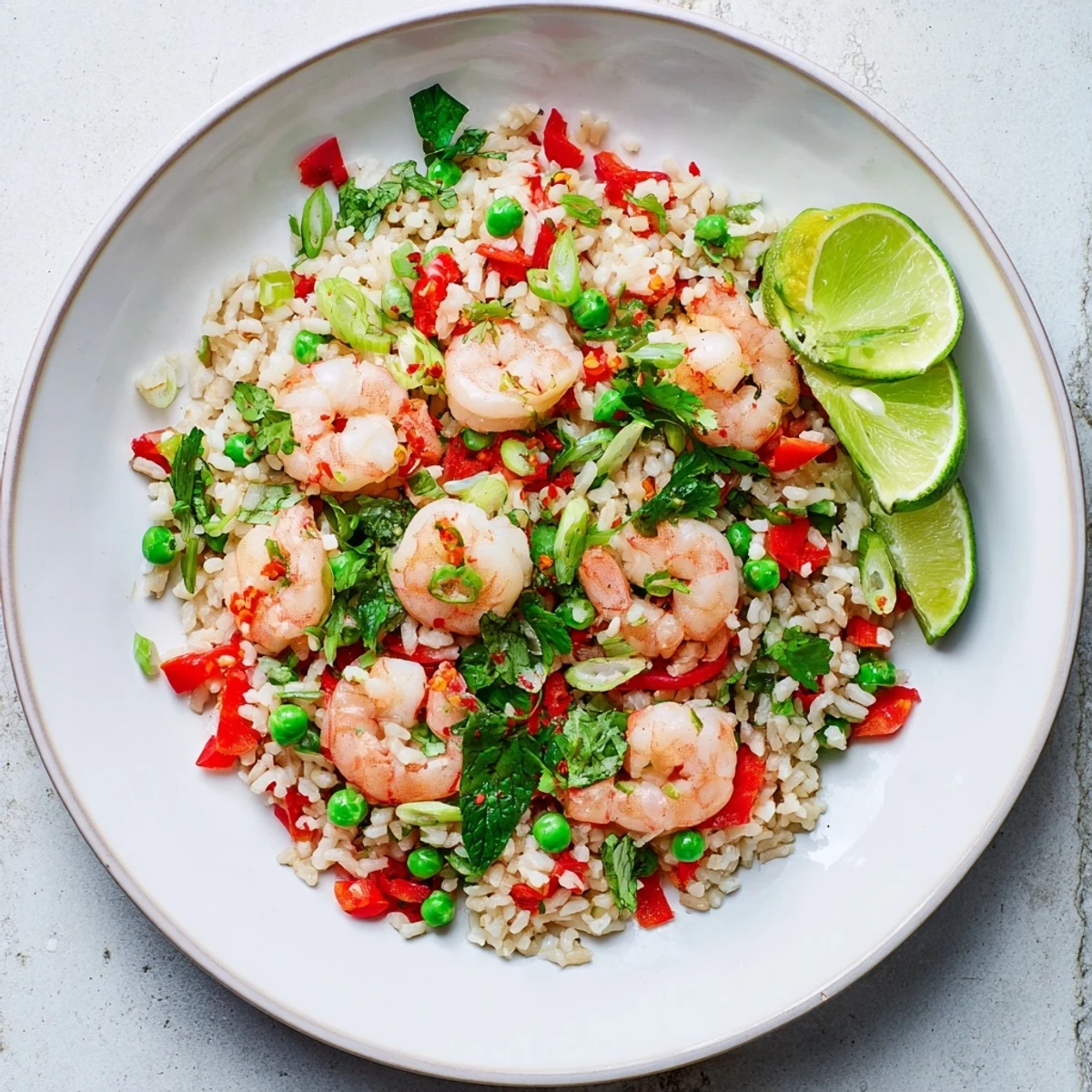
Save There is something deeply satisfying about a recipe that comes together in thirty minutes but tastes like it took all day to perfect.
Recipe FAQs
- → Can I use frozen shrimp instead of fresh?
-
Yes, frozen shrimp work perfectly. Thaw them completely in the refrigerator or under cold running water before marinating. Pat dry thoroughly with paper towels to remove excess moisture, which helps achieve better searing and prevents the dish from becoming watery during stir-frying.
- → Why must the rice be chilled before cooking?
-
Chilled rice, preferably day-old, has lower moisture content which is essential for achieving that signature fried rice texture. Freshly cooked warm rice clumps together and becomes mushy when stir-fried. The drying process in the refrigerator firms up the grains, allowing them to separate easily and develop slightly crispy edges during high-heat cooking.
- → What can I substitute for fish sauce?
-
If you need to avoid fish sauce, increase the soy sauce to 3 tablespoons total and add a pinch of salt. Alternatively, use vegetarian fish sauce or a small amount of miso paste dissolved in water. The flavor profile will shift slightly but you'll still achieve that savory depth needed for the dish.
- → How can I adjust the spice level?
-
Start with half the amount of chili flakes or omit the fresh chili entirely for a milder version. To increase heat, add more chili flakes during cooking or serve with hot sauce on the side. Remember that the spice intensity builds as it sits, so taste as you go and adjust accordingly before adding the final herbs.
- → Can I prepare this dish ahead of time?
-
While best enjoyed immediately, you can prep components in advance. Marinate shrimp up to 4 hours ahead and store refrigerated. Chop all vegetables and mix the sauce combination, keeping everything separate. Cooked rice can be refrigerated for up to 2 days. When ready to serve, simply stir-fry everything together for the freshest results.
- → What other proteins work in this dish?
-
Diced chicken breast, thin-sliced pork, or cubed tofu all make excellent substitutes. Adjust cooking times accordingly—chicken needs about 5-6 minutes to cook through, while pork requires 4-5 minutes. Press and drain tofu beforehand for better texture. The marinade and sauce quantities remain the same regardless of protein choice.