
 Save
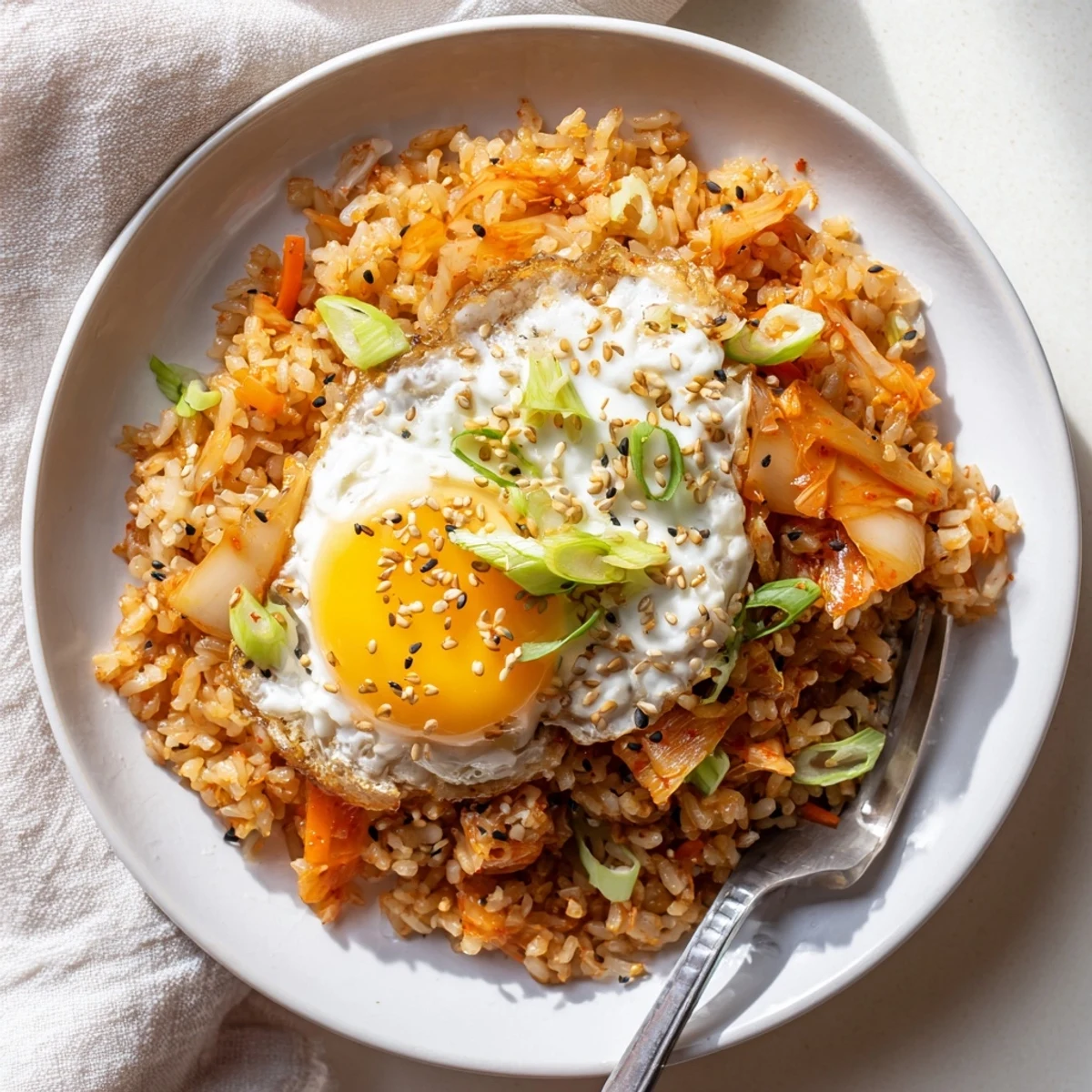
Save This quick stir-fry transforms day-old jasmine rice into a bold, saucy dish. Sauté scallion whites and garlic until fragrant, add chopped napa kimchi and carrot to caramelize, then stir in gochujang and a pinch of sugar. Work in the rice, break up clumps, and finish with soy and toasted sesame oil. Fold in scallion greens and top with fried eggs or sesame seeds; omit eggs and check kimchi for a vegan plate.
Steam drifted up as spicy-sour kimchi hit the pan, mingling with the nutty scent of sesame oil, and I realized this dish always signals something playful in my kitchen. There’s a beat when the garlic sizzles—never quite the same twice—making me pause, hungry even before the rice goes in. Even on rushed evenings, fried rice like this feels like a mini kitchen adventure, hot, fast, and a little unruly. The bright pop of scallions at the end just seals the deal.
The first time I made this for a friend, I underestimated the power of gochujang and watched happily as we both scrambled for ice water between bites—then agreed we wouldn’t change a thing next time. That night, we scraped the last grains straight from the pan, soft yolks swirling into the crispy, spicy rice. There’s something lovely about fighting over the best bits, grinning across the counter, and thinking next time you’ll just double everything. Sharing it makes it taste brighter.
Ingredients
- Cooked jasmine or medium-grain rice: Using day-old rice really does make the grains fry up distinct and slightly chewy instead of clumping; don’t skip this trick.
- Napa kimchi: Chopped kimchi adds tang, crunch, and that signature deep red color, and I always taste a bit first for heat—each batch is different.
- Scallions: Sliced and separated, white parts for a sweet base, green for a fresh finish; if you’re generous, you’ll only wish you’d used more.
- Garlic: Minced and tossed early to set the aroma of the whole kitchen—watch closely so it doesn’t burn.
- Carrot: Julienne strips lend a little sweet crunch and brightness, though you can skip it if you want to keep things classic.
- Gochujang: This chili paste brings deep heat and subtle sweetness; a spoonful transforms the whole pan—start mild if you’re unsure.
- Soy sauce: Just a splash for salty depth and color, and I’ve learned a little goes a long way.
- Toasted sesame oil: A drizzle at the end wraps everything in a warm, nutty perfume that lingers.
- Sugar: Half a teaspoon rounds out the acidity for balance; you might not even know it’s there, but you’ll miss it if it’s gone.
- Black pepper: Freshly ground adds warmth without overtaking the chili heat.
- Neutral oil: Choose something flavorless so the kimchi and aromatics are center stage; high heat is key for a quick wok sizzle.
- Fried eggs (optional): For velvet richness—just drop them on top or leave them out for vegan vibes.
- Roasted sesame seeds: Sprinkle for crunch and toastiness, right before serving; they always make it look just a bit fancier.
- Extra scallion greens: These add a fresh, peppery kick at the very last moment—don’t be shy.
Instructions
- Get the skillet ready:
- Swirl neutral oil through a large skillet or wok and heat it until it shimmers, so the ingredients will jump from the second they hit the pan.
- Spark the flavor:
- Toss in the white parts of your scallions and minced garlic, stirring for half a minute as the scent blooms—watch for that transformative garlic fragrance.
- Build the heart:
- Stir in chopped kimchi and the carrots if you like, listening for the sizzle; keep going until the kimchi darkens and caramelizes a bit for robust flavor (about 2 minutes).
- Add the spice:
- Spoon in the gochujang and sprinkle on sugar, stirring until it all melts together and paints the veggies a glossy red—your pan should look lively now.
- Bring on the rice:
- Add your rice and break up any stubborn clumps, flipping and pressing until every grain feels warm and coated with sauce.
- Season and finish:
- Drizzle in the soy sauce and sesame oil, shaking the pan so the flavors reach every corner; grind in black pepper and toss till glistening.
- Fold in freshness:
- Remove from heat and quickly tumble in half the green scallion tops so they keep some bite and pop.
- Top and serve:
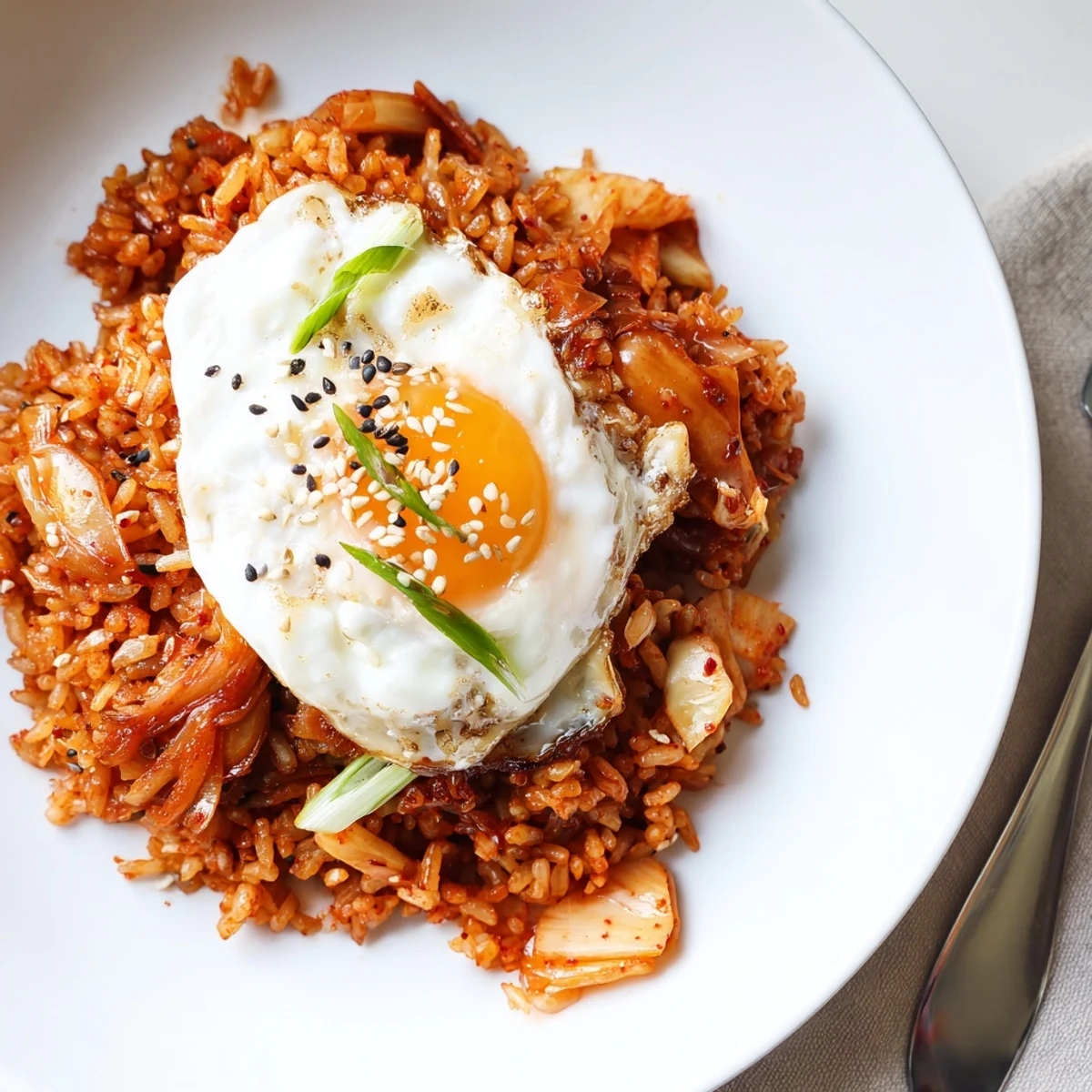
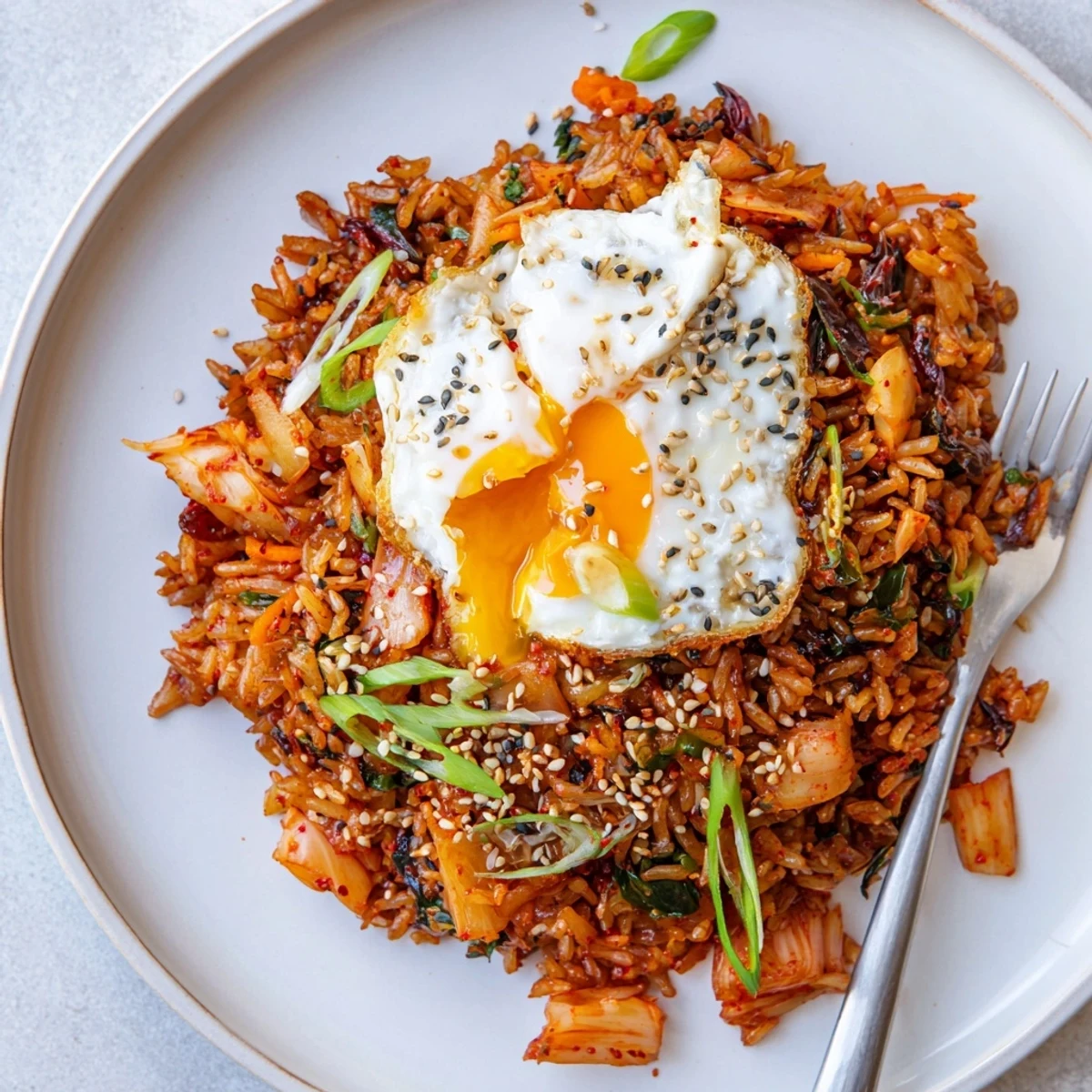
- Spoon everything steaming into bowls, nestle a fried egg on top if you’d like, and scatter sesame seeds and more green scallions right at the table.
 Save
Save I still laugh remembering when my roommate wandered in, hypnotized by smells, and ended up learning how to master the ‘toss without spilling’ technique right alongside me. That night, we managed a few epic misses (sorry tile floor), but magical, slightly spicy rice made up for every misstep. Ever since, any kitchen mishaps turn into a reason for laughter and seconds.
Choosing and Preparing Kimchi
Every jar of kimchi has a different personality—sometimes louder, sometimes mellower—and aging changes everything. If your kimchi is deeply tangy or on the older side, expect an extra punch in your final rice. For a vegan take, read the ingredient label carefully to avoid any unwanted seafood surprises.
When to Add Your Aromatics
The first thirty seconds, when the garlic and scallion whites meet the hot oil, are everything: the aroma signals real flavor in the making. If your pan isn’t quite hot enough, you risk soggy, steamed aromatics rather than actual browning, so be patient before you dive in. It’s a tiny detail that elevates the whole finished bowl.
The Art of Perfect Fried Rice Texture
The secret joy of great fried rice is every grain staying individual but surrounded by vivid sauce—no mush allowed. A quick toss over high heat after seasoning lets it crisp just around the edges and take on that irresistible wok-char.
- Don’t crowd your pan; work in two batches if you must.
- A broad spatula or flat wooden spoon gives you maximum flipping power.
- Let the rice sit, undisturbed, for thirty seconds during cooking to coax out bold toasty flavors.
 Save
Save Sometimes the zest of kimchi and the heat of chili are all the energy a night needs. This is the kind of simple comfort you’ll be tempted to make again as soon as the last bite disappears.
Recipe FAQs
- → Can I use freshly cooked rice?
-
Freshly cooked rice tends to be softer and can clump. Cool it well on a tray or spread it in the fridge briefly; day-old rice gives the best separation and texture when stir-frying.
- → How do I control the heat level?
-
Gochujang provides base heat and umami. Reduce the amount or dilute with a little soy and sesame oil to mellow spice, or add a pinch of sugar to balance sharpness. Fresh chilies raise heat quickly.
- → Which kimchi works best?
-
Napa kimchi with firm, slightly crunchy cabbage works well and caramelizes nicely. Avoid overly watery kimchi; rinse briefly if it tastes too fermented or contains visible seafood if you need a vegetarian option.
- → How can I make it vegan?
-
Skip the fried eggs and confirm the kimchi and gochujang contain no animal-derived ingredients. Add pan-fried tofu or mushrooms for extra protein and texture.
- → What toppings and garnishes suit this dish?
-
Roasted sesame seeds, extra sliced scallion greens, and a drizzle of toasted sesame oil brighten flavor. A soft-fried egg adds richness if not keeping it vegan.
- → How should leftovers be stored and reheated?
-
Cool quickly, refrigerate in an airtight container for up to 3 days. Reheat in a hot skillet with a splash of oil or water to loosen grains; avoid microwaving without moisture to prevent dryness.