
 Save
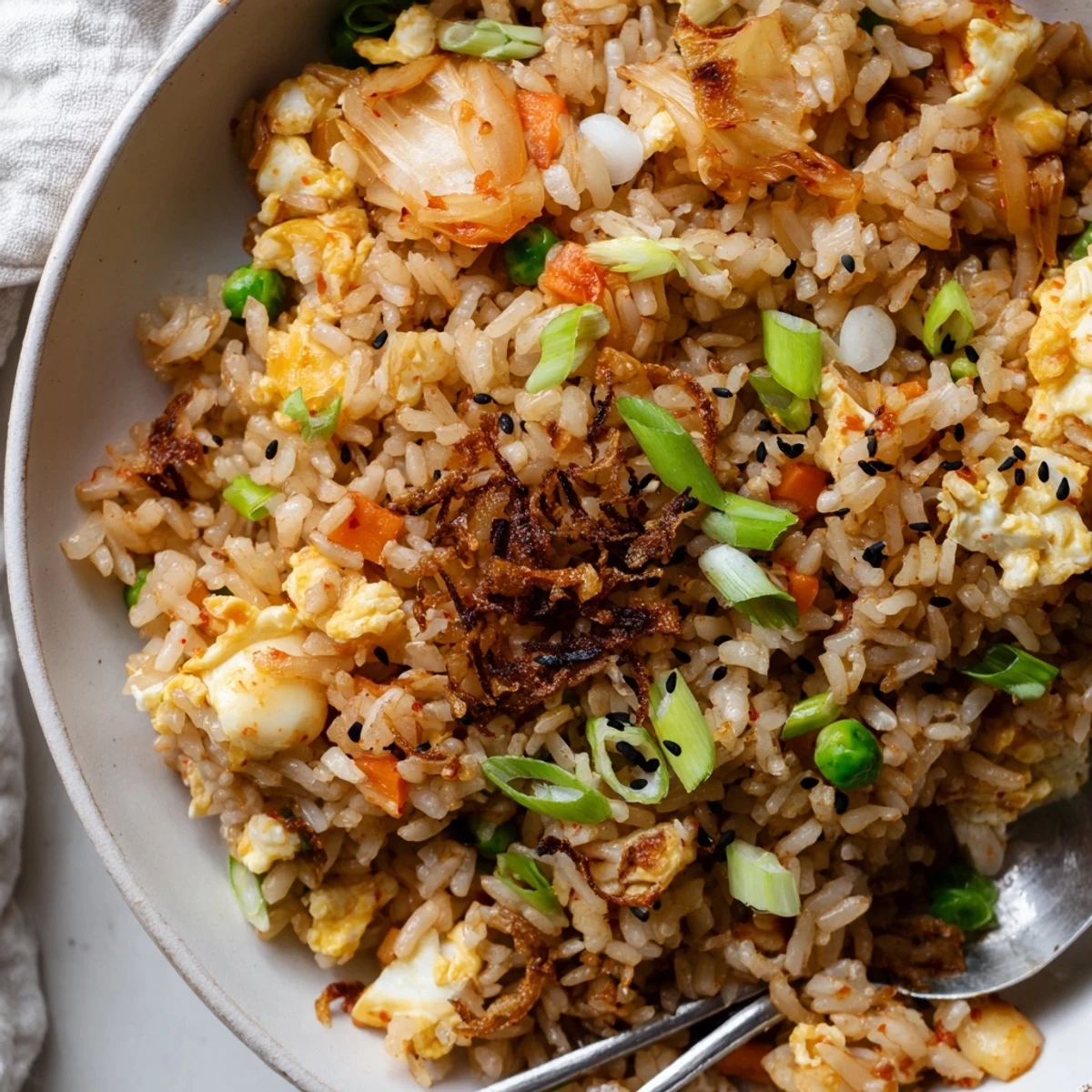
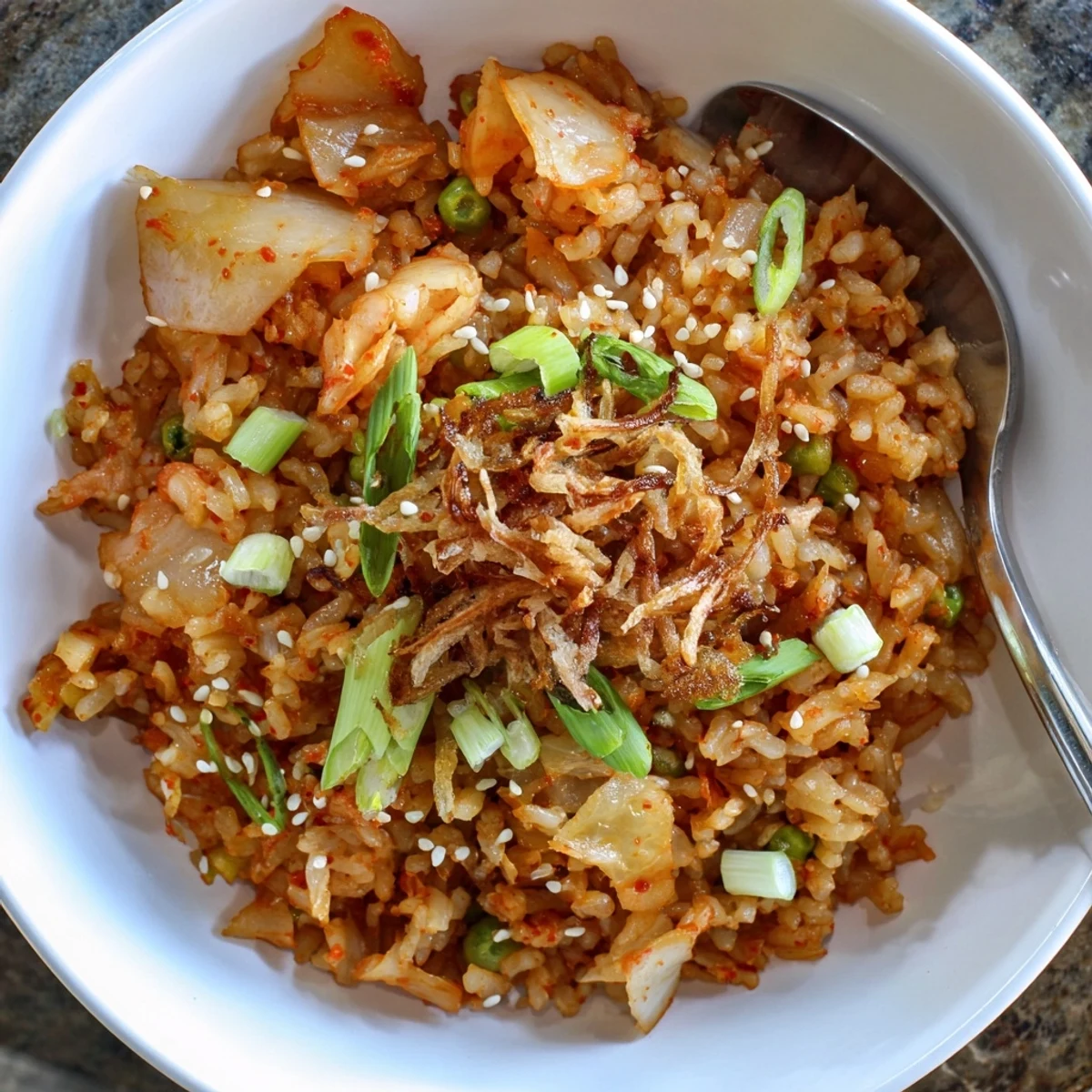
Save This kimchi, scallion and garlic fried rice brings tangy, savory depth by stir-frying day-old jasmine with chopped napa kimchi and its juice, aromatics, carrot and scallion whites. Eggs can be scrambled into the pan for silkiness, while sesame oil and soy sauce season the grains. Finish with toasted sesame, extra scallion greens and crunchy golden shallots for contrast; swap tofu or shrimp for extra protein.
My tiny apartment kitchen smelled like caramelized heaven the first time I attempted this dish. I had rescued some aging rice from the back of my fridge and a jar of kimchi that had been sitting there too long. The combination of sizzling garlic and fermenting cabbage filled every corner of the room. My roommate wandered in, eyes wide, asking what magic I was creating.
Last winter, when my friend Lena was recovering from surgery, I brought over a container of this fried rice. She took one bite and immediately asked for the recipe, saying it was the most comforting thing she had eaten in weeks. Now every time I make it, I think of her sitting on her couch, finally smiling again.
Ingredients
- 4 cups cooked jasmine or short-grain rice: Day old rice works best because its slightly dried out, which means each grain gets perfectly coated without turning mushy or clumping together
- 1 cup napa cabbage kimchi plus 2 tbsp kimchi juice: The fermented cabbage adds tang and depth while that precious liquid brings all the flavors together into something greater than the sum of its parts
- 1 cup scallions, white and green parts separated: Using both parts gives you different levels of onion flavor, with the whites providing aromatic punch and the greens offering fresh brightness at the end
- 4 large garlic cloves, minced: Do not be shy here, the garlic gets sweet and mellow when cooked, creating that irresistible aroma that makes everyone gather in the kitchen
- 1 medium carrot, diced: The sweetness of carrots balances the kimchi heat, plus they add this lovely little crunch throughout
- 2 tbsp soy sauce: This provides the salty backbone, but do not worry, the kimchi and sesame oil will add plenty of complexity
- 1 tbsp toasted sesame oil: A little goes a long way, and toasting really does matter, it transforms the nutty flavor completely
- 1/2 cup shallots, thinly sliced: These become the golden crown of the dish, so slice them as thin and even as you possibly can
Instructions
- Crisp your shallots:
- Heat your vegetable oil in a small skillet over medium heat, add those carefully sliced shallots, and fry them while stirring frequently until they turn deep golden brown and crisp, which usually takes 3 to 5 minutes. Remove them with a slotted spoon and drain on paper towels because they will continue cooking and can burn quickly once out of the hot oil.
- Build your aromatic base:
- In a large skillet or wok, heat 1 tbsp of your reserved shallot oil over medium-high heat, then add the white scallion parts and garlic, sautéing for about 1 minute until the most wonderful fragrance fills your kitchen.
- Add the vegetables:
- Toss in your carrot and cook for 2 minutes until it softens slightly, then stir in the chopped kimchi and let everything cook together for another 2 minutes so the flavors can start becoming friends.
- Scramble if using:
- Push all your vegetables to one side of the pan, crack your eggs into the empty space if you are using them, and scramble until just set, keeping them somewhat separate from the veggies.
- Bring in the rice:
- Add your cold rice, breaking up any clumps with your spatula as you go, then drizzle everything with soy sauce, sesame oil, gochujang if you want some heat, kimchi juice, and black pepper. Stir-fry everything together for 3 to 4 minutes until the rice is hot and every single grain is coated in flavor.
- Finish with freshness:
- Throw in frozen peas if you are using them along with most of your scallion greens, stir through, and heat for just 1 minute more before removing from heat.
- Top and serve:
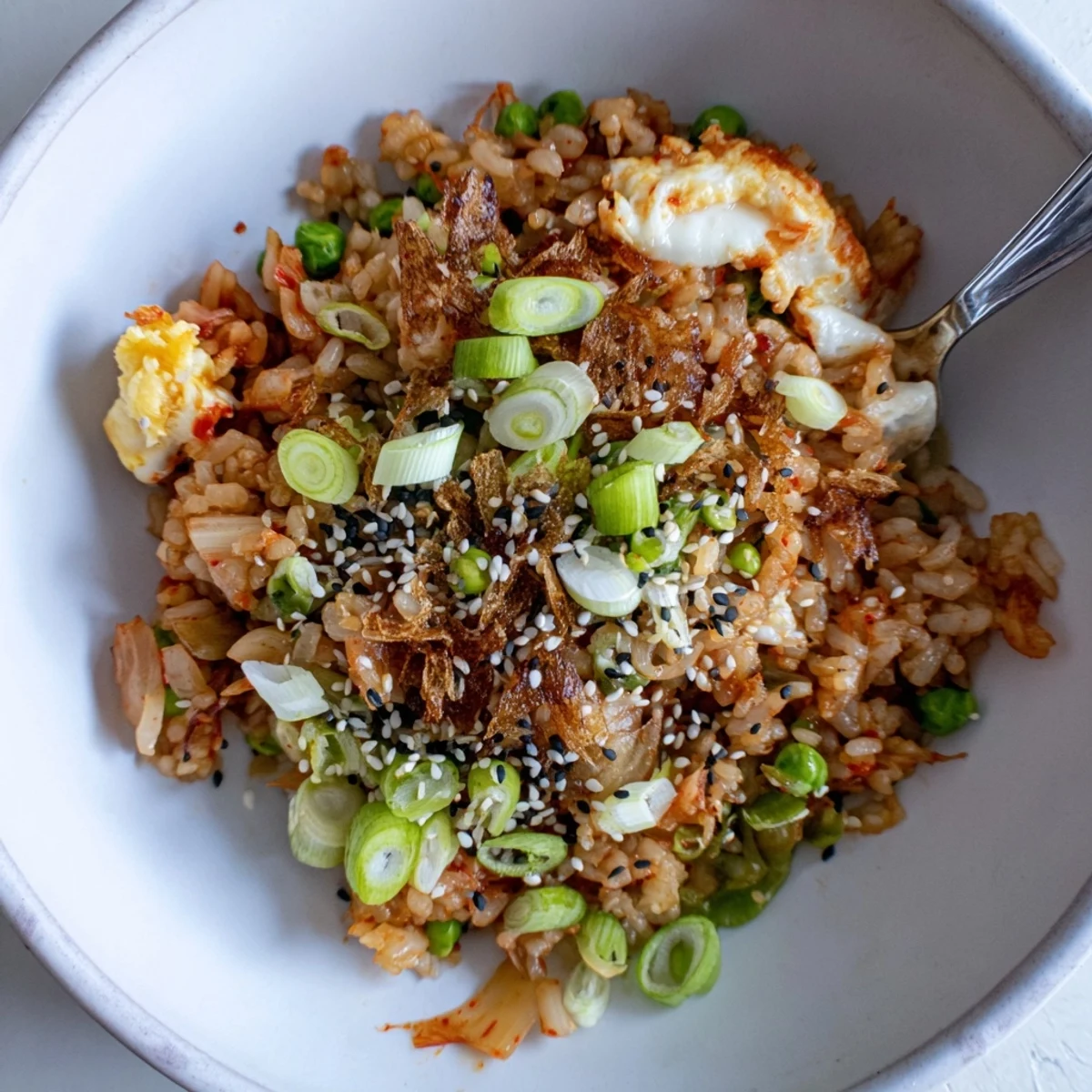
- Serve immediately while everything is still hot, topping each bowl generously with those crispy shallots you made earlier, the remaining scallion greens, and a sprinkle of toasted sesame seeds.
 Save
Save There was this one rainy Tuesday when I had nothing in my fridge but takeout rice and a half empty jar of kimchi. This recipe saved dinner, and honestly, it was better than most restaurant versions I have had.
Perfecting Your Rice Texture
I learned the hard way that breaking up cold rice clumps with your hands before adding them to the pan makes a huge difference. The heat distributes more evenly, and you end up with distinct grains instead of sticky patches. Sometimes I even spread the rice on a baking sheet for 10 minutes to dry it out even more.
Balancing Flavors
Kimchi brands vary wildly in saltiness and heat, so always taste your kimchi before cooking. If it is particularly salty or spicy, you might want to reduce the soy sauce or hold back on the gochujang. I always keep a little extra plain rice handy just in case I need to tone things down.
Make Ahead Magic
You can absolutely prep the crispy shallots up to 3 days in advance and store them in an airtight container at room temperature. They will stay perfectly crisp and save you so much time on busy weeknights when you just want dinner on the table fast.
- Double the shallot recipe because they disappear quickly and you will want extras for topping other dishes
- Prep all your vegetables the night before and store them in separate containers in the refrigerator
- Keep a container of cooked rice in your freezer specifically for fried rice emergencies
 Save
Save This recipe has become my go-to for feeding a crowd, and honestly, nothing beats watching people take that first bite and see their eyes light up. Happy cooking.
Recipe FAQs
- → How do I get perfectly crispy shallots?
-
Slice shallots thinly and fry in a couple inches of oil over medium heat, stirring often. Remove once they reach a deep golden color, drain on paper towels and cool completely so they stay crisp. Use low-to-medium heat to avoid burning.
- → Why use day-old rice?
-
Day-old rice is drier and firmer, which helps grains separate and absorb flavors without becoming mushy. If you only have fresh rice, spread it on a tray and chill to let some steam escape before stir-frying.
- → How can I adjust the spice level?
-
Control heat by omitting or reducing gochujang, or stir in just a teaspoon at first. Add a pinch of crushed red pepper or a small spoon of chili paste to increase heat gradually.
- → Can this be made vegan?
-
Yes. Use vegan kimchi (check labels for fish sauce), skip the eggs, and finish with sesame oil and extra scallions. Add pan-fried tofu for texture and protein.
- → What proteins work well with this dish?
-
Cooked shrimp, sliced chicken, or cubes of firm tofu are great additions. Cook proteins separately or in the same pan before adding the rice, then combine at the end so everything heats evenly.
- → How should leftovers be stored and reheated?
-
Store leftovers in an airtight container for up to 3–4 days. Reheat in a skillet over medium heat with a splash of water or oil to revive texture; add crispy shallots just before serving to keep them crunchy.