
 Save
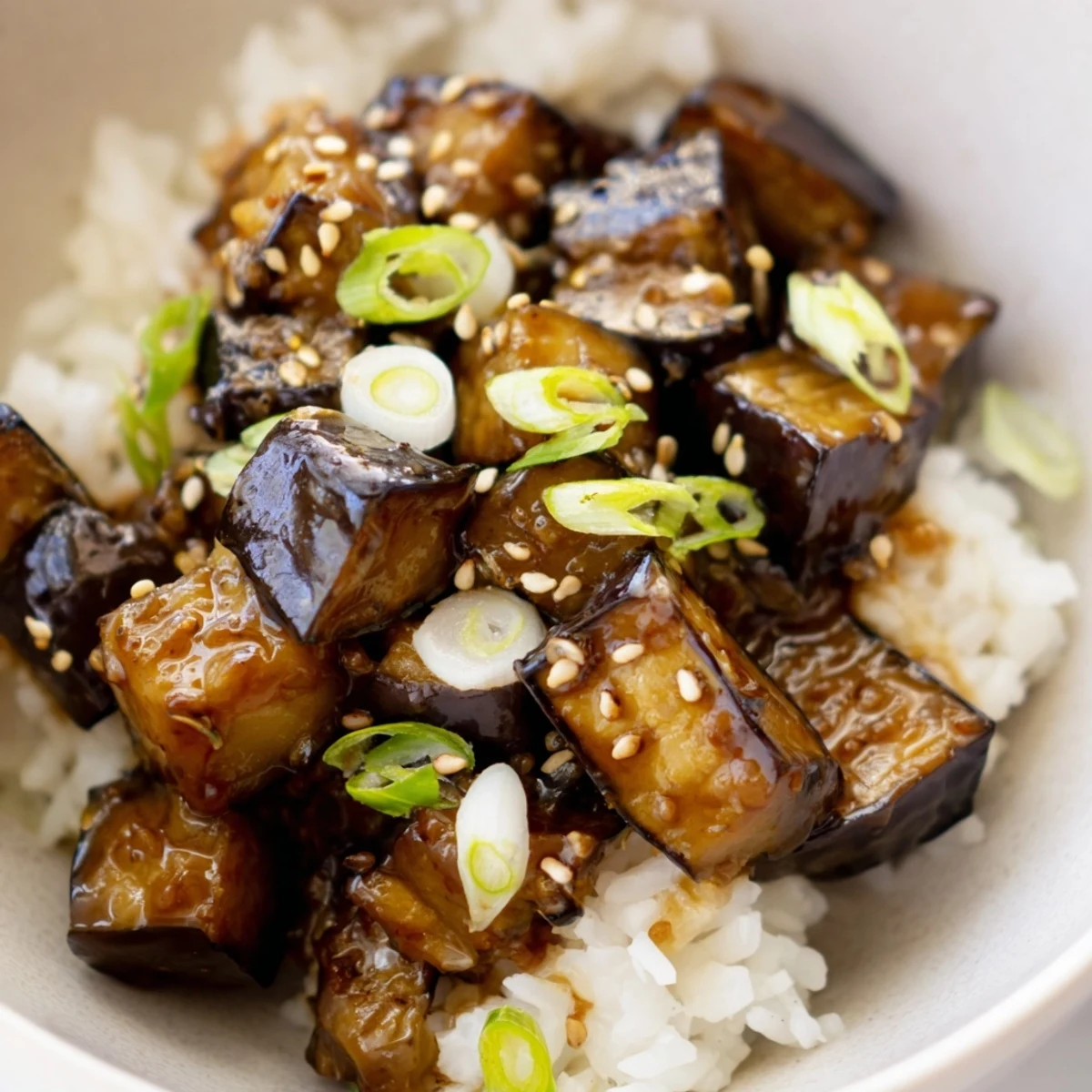
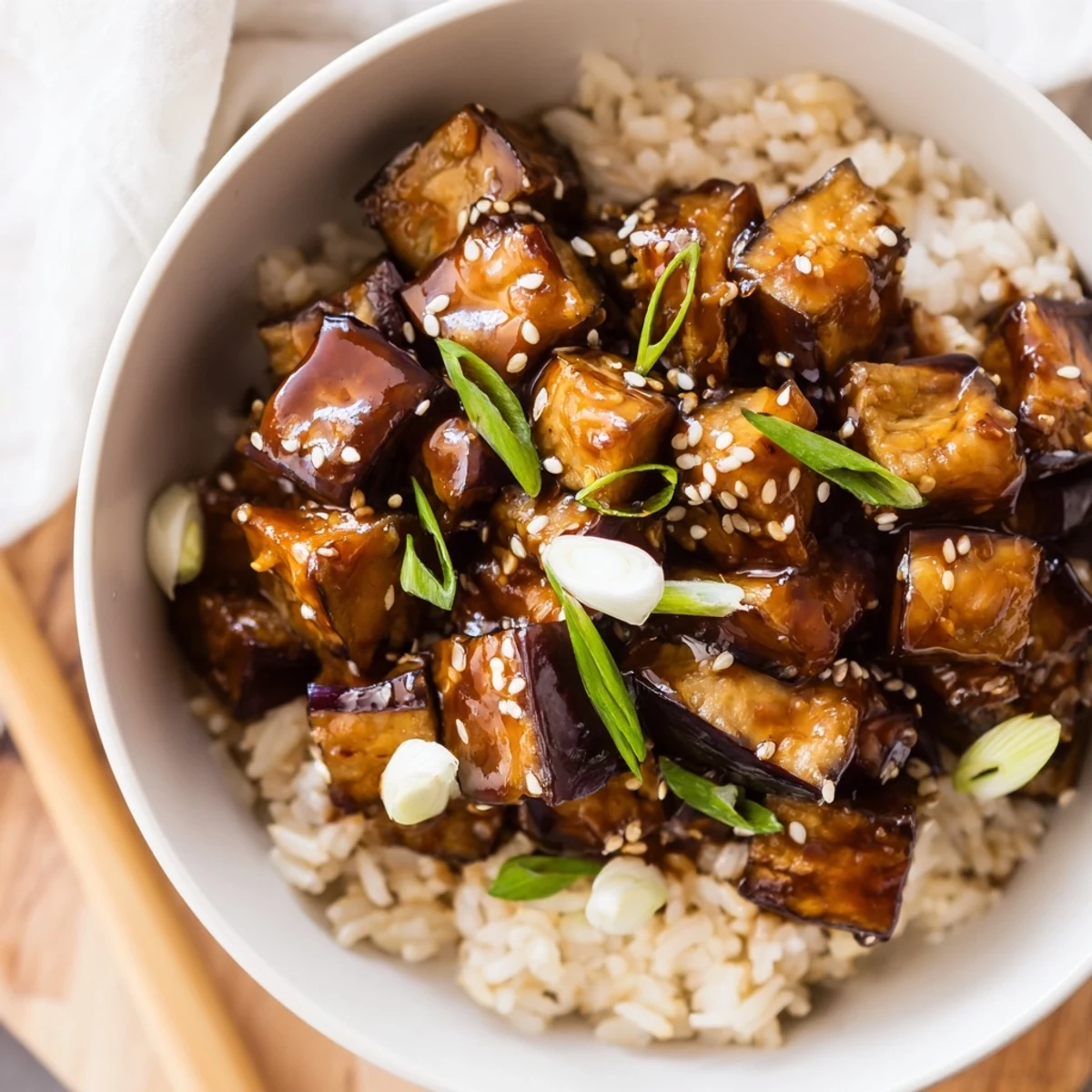
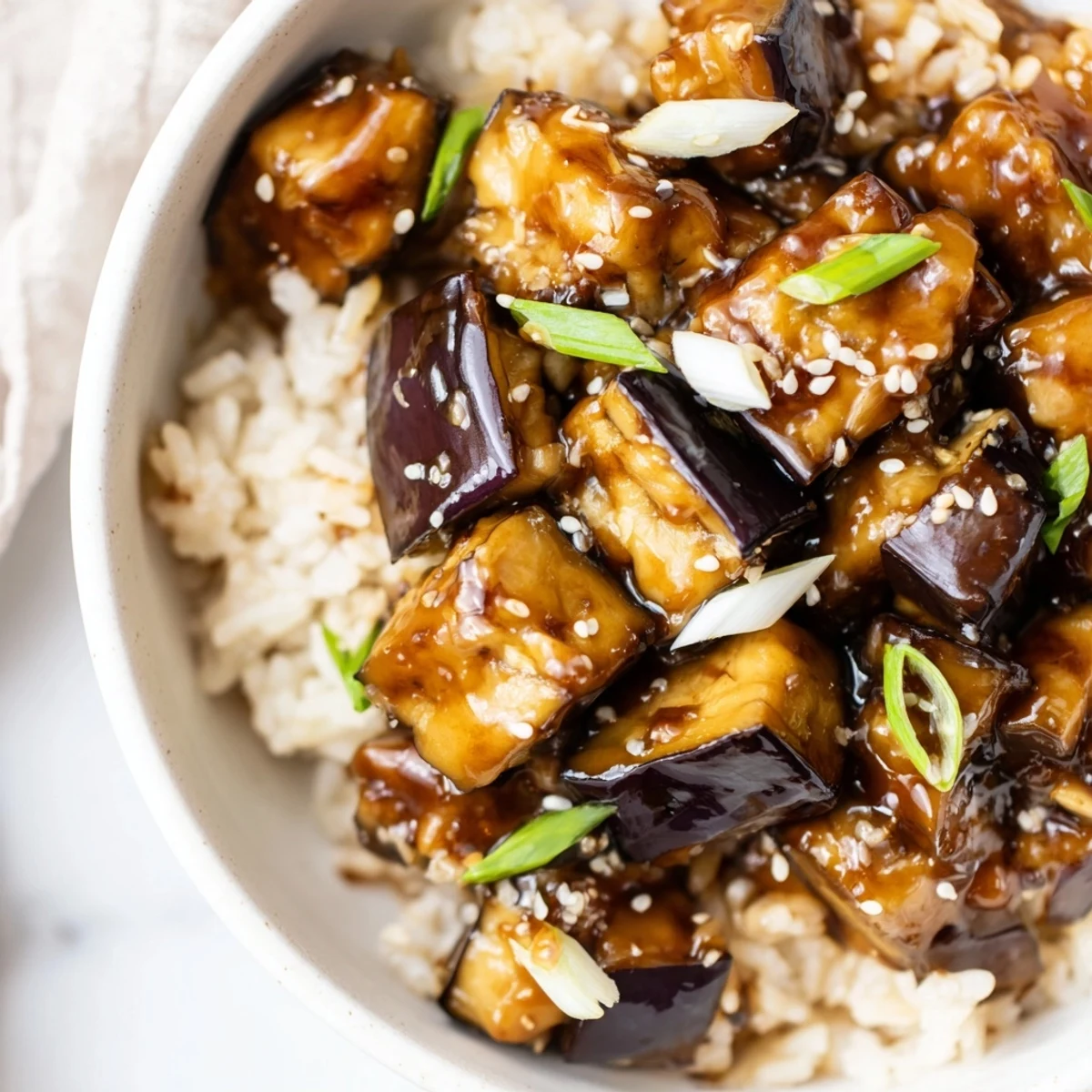
Save This Japanese-inspired dish features tender roasted eggplant cubes caramelized with a savory miso glaze, served over fluffy jasmine rice. The umami-rich coating combines white miso paste with mirin, soy sauce, maple syrup, garlic, and ginger for a perfect balance of sweet and salty flavors. Fresh scallions and toasted sesame seeds add crunch and brightness. Ready in just 40 minutes, this vegetarian main satisfies with its comforting combination of textures and authentic Asian flavors.
The first time I made miso glazed eggplant was on a rainy Tuesday when I needed something comforting but didn't want to spend hours at the stove. That caramelized, umami-rich glaze transformed everything I thought I knew about eggplant, turning a simple vegetable into something extraordinary.
I served this dish to my friend who claimed to hate eggplant, and watched her eyes light up after the first bite. Now she asks for it every time she visits, and it's become our go-to comfort food when life feels overwhelming.
Ingredients
- 2 medium eggplants: Choose ones that feel heavy for their size with smooth, shiny skin and cut into 1-inch cubes for even roasting
- 3 scallions: Thinly slice these and keep white and green parts separate so you can add them at different stages for layered flavor
- 1 ½ cups jasmine or short-grain rice: Rinse thoroughly until water runs clear to remove excess starch for perfectly fluffy grains
- 3 cups water: Use filtered water if possible since it makes up the bulk of your cooking liquid for the rice
- 3 tbsp white miso paste: This is the soul of the dish so use good quality miso and look for one that's been fermented for at least 6 months
- 2 tbsp mirin: Adds essential sweetness and helps create that beautiful glossy finish on the glaze
- 1 tbsp soy sauce: Use tamari if you're avoiding gluten but regular soy sauce gives the most authentic flavor
- 1 tbsp maple syrup or honey: Balances the salty miso and helps the glaze caramelize in the oven
- 1 tbsp toasted sesame oil: Divide this, using part to coat the eggplant and the rest in the glaze for depth
- 1 tsp rice vinegar: A tiny splash cuts through the richness and brightens the whole dish
- 1 garlic clove: Freshly minced because nothing beats the aroma of raw garlic hitting that hot miso
- 1 tsp freshly grated ginger: Grate this right before adding so it retains its spicy kick and aromatic oils
- 1 tbsp toasted sesame seeds: Toast these yourself in a dry pan for just 2 minutes until fragrant
- 1 tbsp chopped fresh cilantro: Optional but adds a bright herbal finish that cuts through the richness
Instructions
- Start the rice foundation:
- Rinse the rice under cold water until the water runs clear, then combine with 3 cups of water in a saucepan and bring to a boil. Reduce heat to low, cover tightly, and let simmer gently for 15 minutes before removing from heat and letting it steam for 10 more minutes.
- Get the oven ready:
- Preheat your oven to 425°F and line a baking sheet with parchment paper to prevent sticking and make cleanup easier.
- Roast the eggplant first:
- Arrange the eggplant cubes on your prepared baking sheet, drizzle with 1 tablespoon sesame oil, and toss to coat evenly. Roast for 15 minutes, turning them halfway through so they develop golden edges on all sides.
- Make the magic glaze:
- While the eggplant roasts, whisk together the miso paste, mirin, soy sauce, maple syrup, rice vinegar, garlic, and ginger until smooth. The mixture should be thick and glossy, coating the back of your spoon.
- Glaze and caramelize:
- Remove the eggplant from the oven after 15 minutes and brush generously with the miso glaze, making sure every cube gets coated. Return to the oven and roast for another 8 to 10 minutes until the glaze bubbles and caramelizes in spots.
- Assemble the bowls:
- Fluff the cooked rice with a fork and divide among four bowls. Top with the glazed eggplant, white parts of the scallions, and toasted sesame seeds. Finish with green scallion tops and cilantro if using, then serve while everything's still warm.
 Save
Save This recipe saved many weeknight dinners when I wanted something nourishing but had zero energy for complicated cooking. There's something deeply satisfying about transforming simple ingredients into a bowl that feels so complete.
Making It Your Own
I've learned that this base recipe welcomes endless variations, and my kitchen experiments have led to some happy accidents. Sometimes I'll add extra vegetables like bell peppers or snap peas to the roasting pan, tossing them in a little of the glaze too. The beauty is that the miso glaze works its magic on almost anything that touches it.
Perfecting the Rice
After years of making this dish, I've discovered that rice quality matters more than I used to think. Short-grain rice creates that lovely sticky texture that helps bind everything together, while jasmine adds a beautiful floral note that plays nicely with the miso. Whatever rice you choose, resist the urge to lift the lid while it cooks.
Serving Suggestions
While this bowl is complete on its own, I love serving it alongside simple Japanese dishes. A crisp cucumber salad dressed with rice vinegar cuts through the richness, and some quick-pickled vegetables add brightness and crunch. It's also wonderful with a bowl of miso soup for a full Japanese-inspired meal.
- Leftover glaze keeps refrigerated for up to two weeks and is incredible on roasted vegetables or grilled tofu
- If the eggplant feels bitter after salting, try soaking the cubes in cold water for 15 minutes before roasting
- A drizzle of sriracha or chili oil at the table lets everyone customize their preferred heat level
 Save
Save Hope this bowl brings you the same comfort it's brought my kitchen table over the years.
Recipe FAQs
- → Can I make this dish gluten-free?
-
Yes, simply substitute tamari for the soy sauce and verify your miso paste is gluten-free. The remaining ingredients naturally contain no gluten.
- → What type of rice works best?
-
Short-grain white rice or jasmine rice both work beautifully. Short-grain yields a stickier texture typical of Japanese cuisine, while jasmine provides a fragrant, fluffy base.
- → Can I add protein to this dish?
-
Absolutely. Pan-fried tofu, baked tempeh, or edamame make excellent additions. Simply prepare your protein of choice alongside the eggplant and serve over the rice.
- → How do I store leftovers?
-
Store components separately in airtight containers in the refrigerator for up to 3 days. Reheat the rice and eggplant gently, adding a splash of water if needed. The glaze may thicken when cold.
- → Can I use red miso instead of white?
-
Red miso will work, though it has a stronger, more intense flavor. If substituting, consider using slightly less to maintain the delicate balance of the glaze.
- → What vegetables can I add?
-
Steamed broccoli, bok choy, snap peas, or roasted bell peppers complement the flavors well. Add them during the final minutes of roasting or steam separately to serve alongside.