
 Save
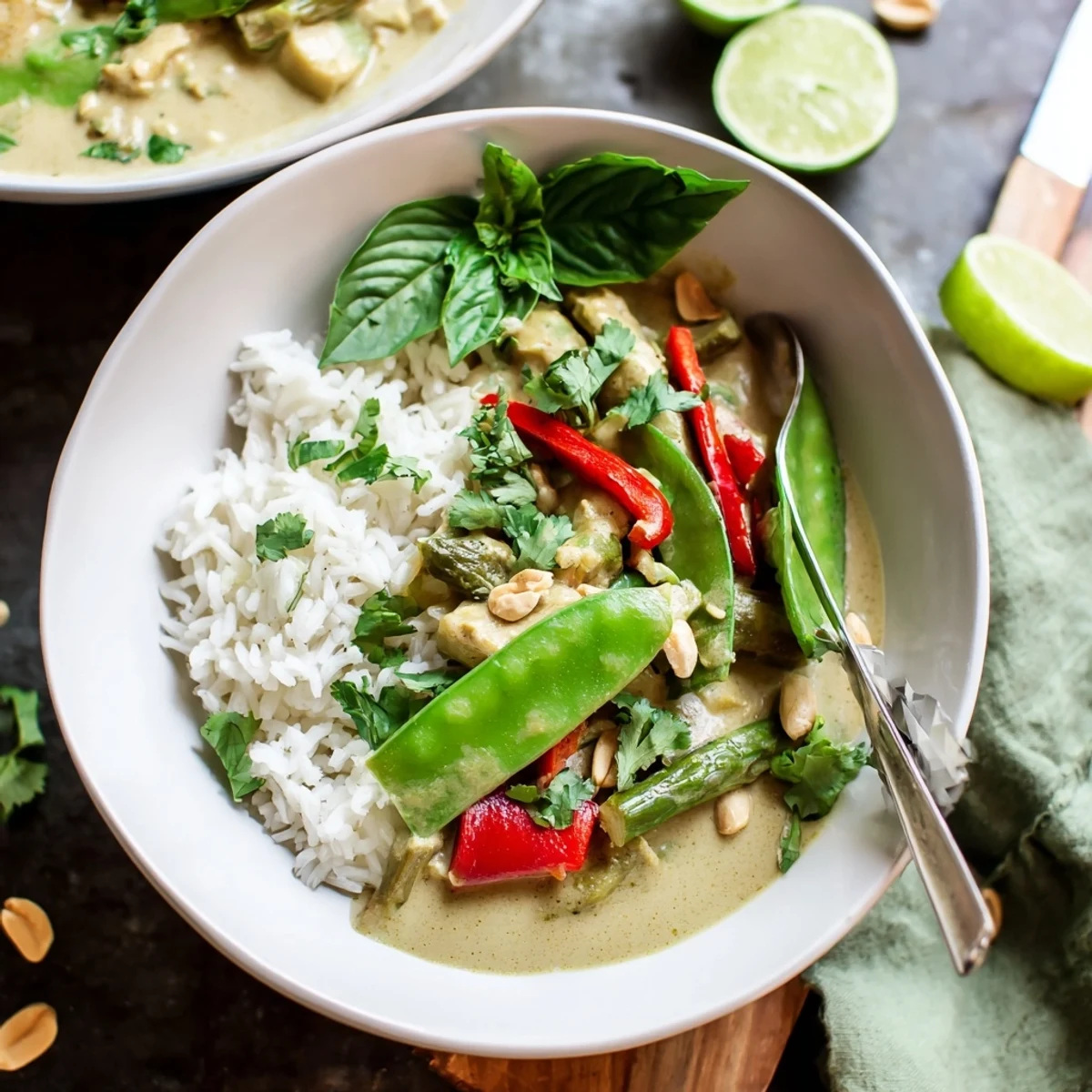
Save This vibrant Thai-inspired dish transforms fluffy jasmine rice into a fragrant, satisfying meal. Aromatic green curry paste simmers with creamy coconut milk, creating a rich sauce that coats crisp snap peas, bell pepper, and zucchini. Fresh Thai basil adds bright herbal notes, while roasted peanuts and lime wedges provide satisfying crunch and acidity.
Ready in just 40 minutes, this vegetarian and gluten-free bowl delivers restaurant-quality flavors with simple techniques. The curry base builds depth through sautéed aromatics—onion, garlic, and ginger—before coconut milk creates luxurious body. Adjust spice levels easily and customize with your favorite vegetables for a flexible, nourishing dinner.
The first time I made green curry at home, I accidentally used red curry paste and spent the whole meal confused why my vibrant green dish was looking suspiciously orange. My roommate just shrugged and kept eating. Now I always triple-check the jar label and keep this recipe handy for those nights when takeout feels too far away but craving something fragrant and warming anyway.
Last summer my friend came over with a massive bag of snap peas from her garden and challenged me to use them all. This curry happened. We ended up eating straight from the wok, standing up in the kitchen, while steam fogged up my glasses. Sometimes the best meals are the unplanned ones.
Ingredients
- Jasmine rice: Rinse until the water runs clear. It removes excess starch and keeps each grain separate and fluffy. I learned this after making one too many pots of gluey rice.
- Thai green curry paste: This is the flavor engine. If you want it vegetarian, check the label carefully. Some brands sneak in fish sauce or shrimp paste.
- Coconut milk: Full fat creates the richest sauce. Shake the can before opening because the cream rises to the top and separates.
- Snap peas: Their natural sweetness balances the curry heat. Halve them so they cook evenly and look beautiful in the bowl.
- Fresh Thai basil: Not the same as Italian sweet basil. It has a slight anise flavor that makes the dish taste authentic and bright.
Instructions
- Get the rice going first:
- Rinse the jasmine rice in cold water until it runs clear. Combine with water and salt in a saucepan. Bring to a boil, then reduce to low heat, cover, and simmer gently for 12 to 15 minutes until all the water disappears. Turn off the heat and let it steam, covered, for another 5 minutes before fluffing with a fork.
- Build your flavor base:
- Heat oil in a large skillet or wok over medium heat. Toss in the onion and sauté for 2 to 3 minutes until it softens and becomes translucent. Add garlic and ginger, cooking for just 1 minute until the smell fills your kitchen.
- Wake up the curry paste:
- Stir in the green curry paste and let it cook for 1 minute. This toasts the spices and releases their essential oils. If it starts to stick, splash in a spoonful of the coconut milk.
- Create the sauce:
- Pour in the coconut milk, soy sauce, brown sugar, and vegetable broth. Stir until everything combines into a smooth, fragrant sauce. Bring it to a gentle simmer and let it bubble for a minute to thicken slightly.
- Add the vegetables:
- Toss in snap peas, red bell pepper, and zucchini. Simmer uncovered for 5 to 7 minutes until they are crisp-tender. You want them to still have some crunch, not mushy.
- Finish with fresh herbs:
- Stir in half the Thai basil leaves right at the end. Taste your sauce and adjust with more soy sauce or lime juice if it needs more balance.
- Bring it all together:
- Scoop fluffy rice into bowls and ladle the curry generously over the top. Garnish with remaining basil, peanuts, cilantro, and lime wedges. Serve immediately while everything is still steaming hot.
 Save
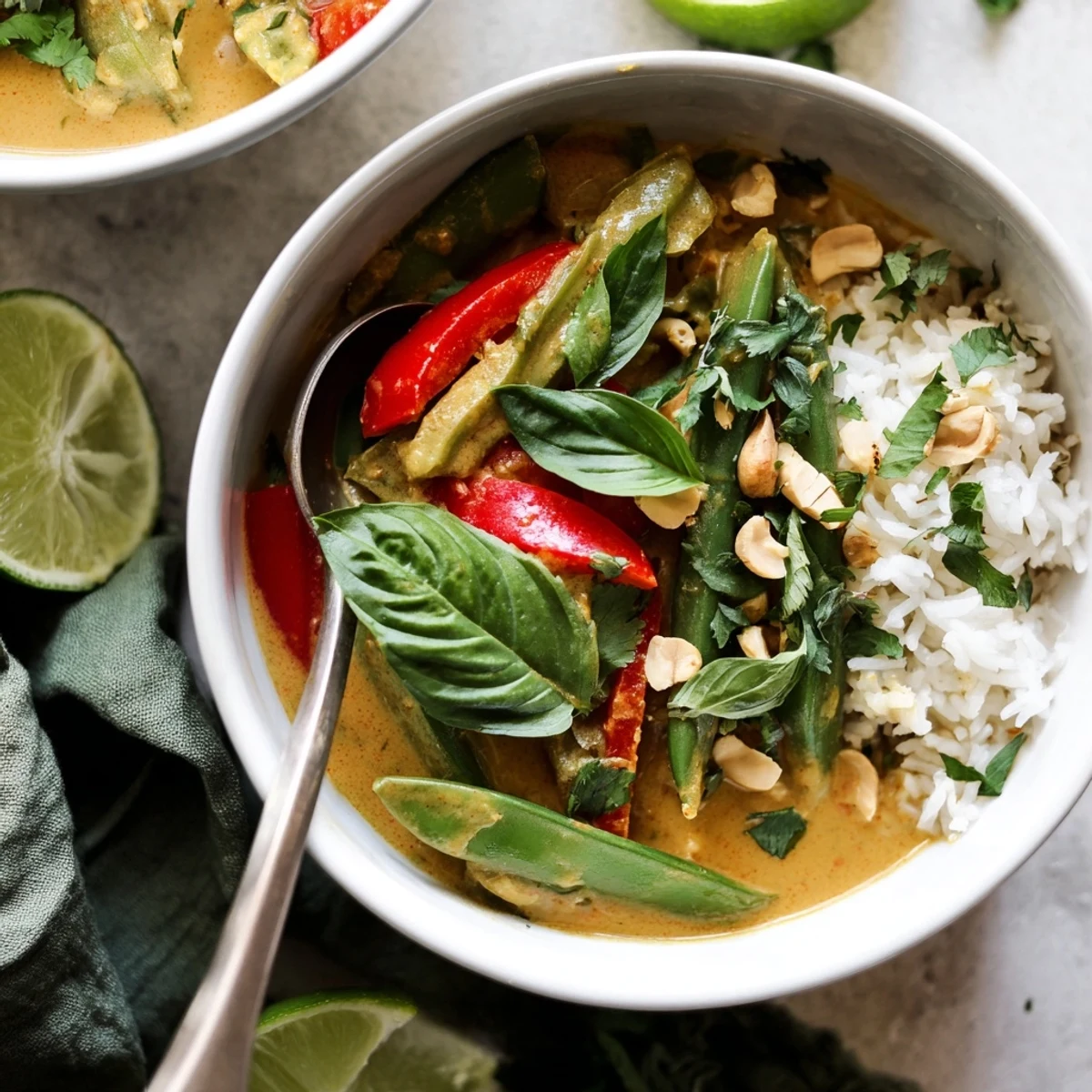
Save This recipe saved me during finals week in college. My apartmentmates and I would make a huge batch and study while it simmered, the smell keeping us motivated. Now whenever I make it, I remember late nights and good company.
Making It Your Own
Some nights I throw in cubed tofu for extra protein. Other times I add baby corn or broccoli if thats what I have in the fridge. The sauce is forgiving and adapts to whatever vegetables need using up.
Perfecting The Rice
If you have a rice cooker, use it. It produces the most consistent results. For stovetop rice, resist the urge to lift the lid while it simmers. That trapped steam is what cooks the rice evenly.
Serving Suggestions
Squeeze fresh lime over each bowl right before eating. The acid cuts through the rich coconut milk and makes all the flavors pop. I also like to serve this with crispy spring rolls on the side.
- Crushed red pepper flakes for extra heat
- A drizzle of sriracha if you like it spicy
- Extra roasted cashews instead of peanuts
 Save
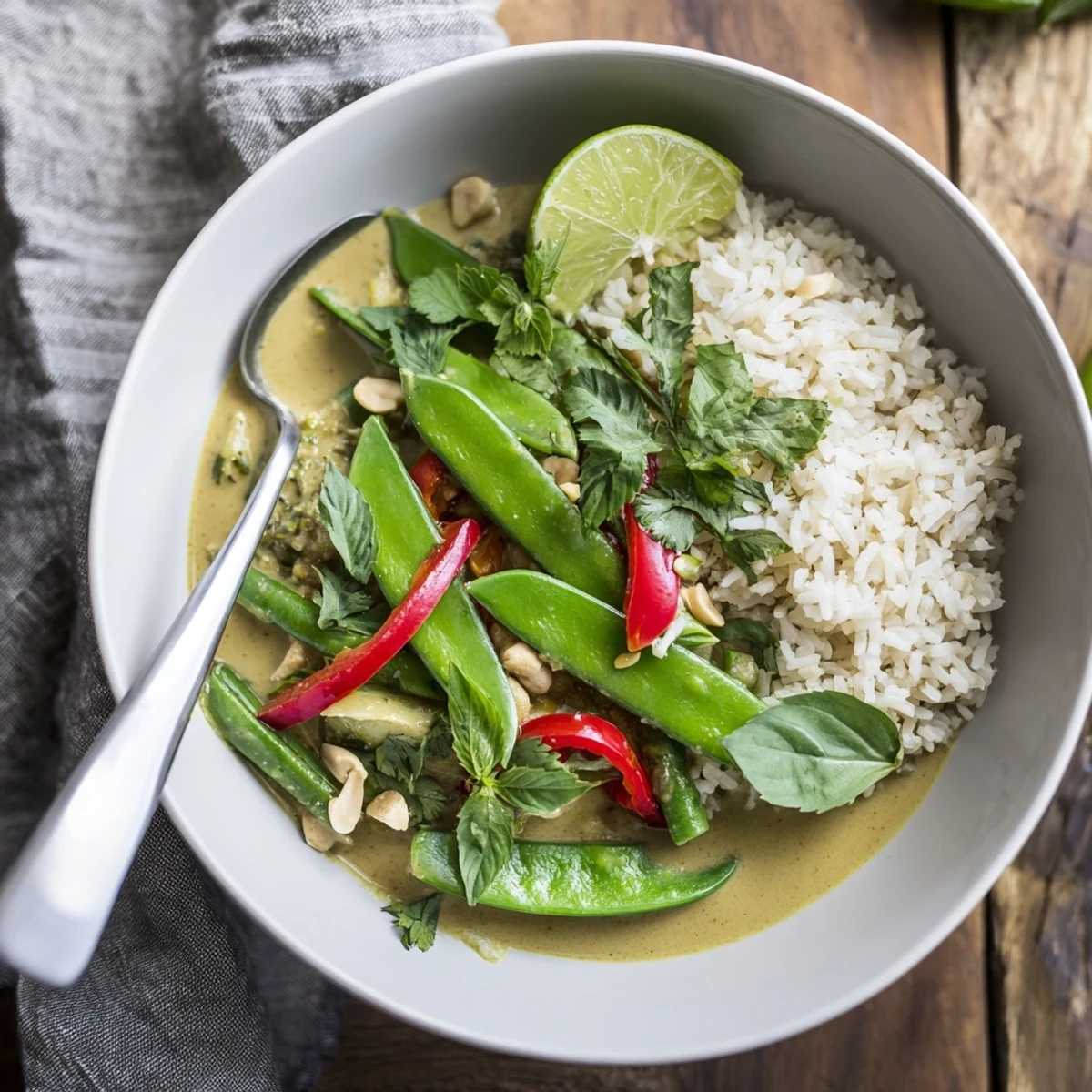
Save This curry keeps beautifully for lunch the next day. The flavors actually meld and get better overnight. Just reheat gently and add fresh basil before serving.
Recipe FAQs
- → What makes this curry vegetarian?
-
This dish uses Thai green curry paste without fish sauce and coconut milk instead of dairy. Always check curry paste labels, as some brands contain shrimp paste. Soy sauce provides savory depth while keeping it plant-based.
- → Can I adjust the spice level?
-
Absolutely. Start with less curry paste for mild heat, or add more for intensity. The coconut milk naturally mellows spice. Serve with extra lime wedges—the acidity brightens flavors and provides balance if heat builds.
- → What protein options work well?
-
Cubed firm tofu pairs beautifully with the coconut curry sauce. Simply pan-fry tofu until golden before adding to vegetables. For non-vegetarian versions, sliced chicken thighs or shrimp work equally well, cooking through in the simmering sauce.
- → Can I use brown rice instead?
-
Brown rice adds nutty flavor and extra fiber but requires longer cooking—about 45 minutes total. Cook separately according to package instructions. The hearty texture stands up well to the rich curry sauce and crisp vegetables.
- → How long do leftovers keep?
-
Store components separately in airtight containers for up to 3 days. Reheat rice with a splash of water to restore fluffiness. Warm the curry gently over low heat, adding a splash of coconut milk if sauce thickens. Basil is best added fresh when serving.
- → What vegetables can I substitute?
-
Baby corn, broccoli florets, green beans, or snow peas work beautifully. For heartier versions, add cubed sweet potato or carrots—simmer a few extra minutes until tender. The coconut curry base complements almost any vegetable combination.